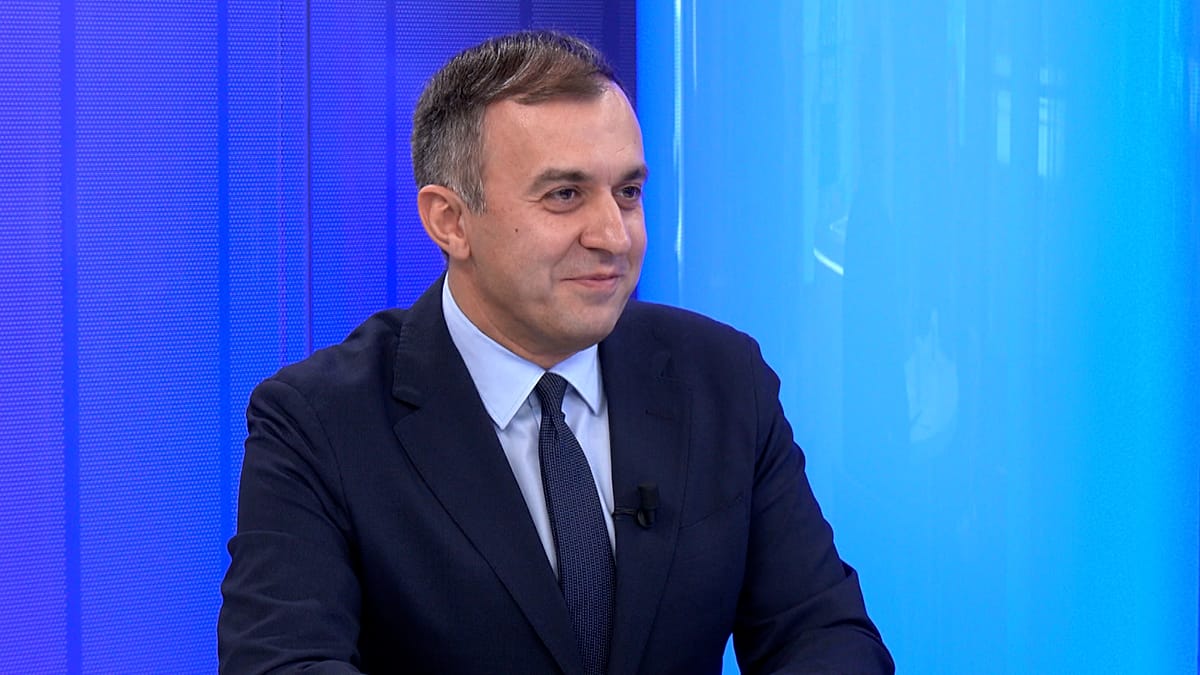
Greece's deputy foreign minister, Tasos Chatzivasileiou, has called on Brussels to earmark money in the EU's next long-term budget for offshore return hubs and other experimental measures aimed at migrants who have no right to remain in the bloc. Speaking to Europe Today, he argued that any new policy instrument is meaningless without the funding to match it.
"If we decide to implement any innovative ideas, that means that Europe has to find the adequate resources," Chatzivasileiou said, pointing to the multiannual financial framework now under negotiation as a possible source of that money.
His intervention comes as Greece, Austria, Denmark, Germany and the Netherlands move to accelerate preparations for the contested facilities, which would be built outside EU territory. A June overhaul of the bloc's migration rules opened the door for member states to sign bilateral agreements with third countries willing to host such hubs on their soil.
Who pays, and how
Under the revised framework, the EU governments that strike these deals are expected to foot the entire bill. They may also sweeten the arrangement with commercial partnerships or other incentives to persuade third countries to sign up. With talks on the next long-term budget entering a decisive phase, pressure is growing on the European Commission to share the burden rather than leave it to national treasuries.
Chatzivasileiou's remarks reflect a broader frustration among the capitals most exposed to irregular arrivals: the political commitment exists, but the financing architecture does not yet. The five-country group is due to reconvene in Munich this Saturday, on the margins of a conference expected to draw 17 EU migration ministers and the EU's migration chief, Magnus Brunner.
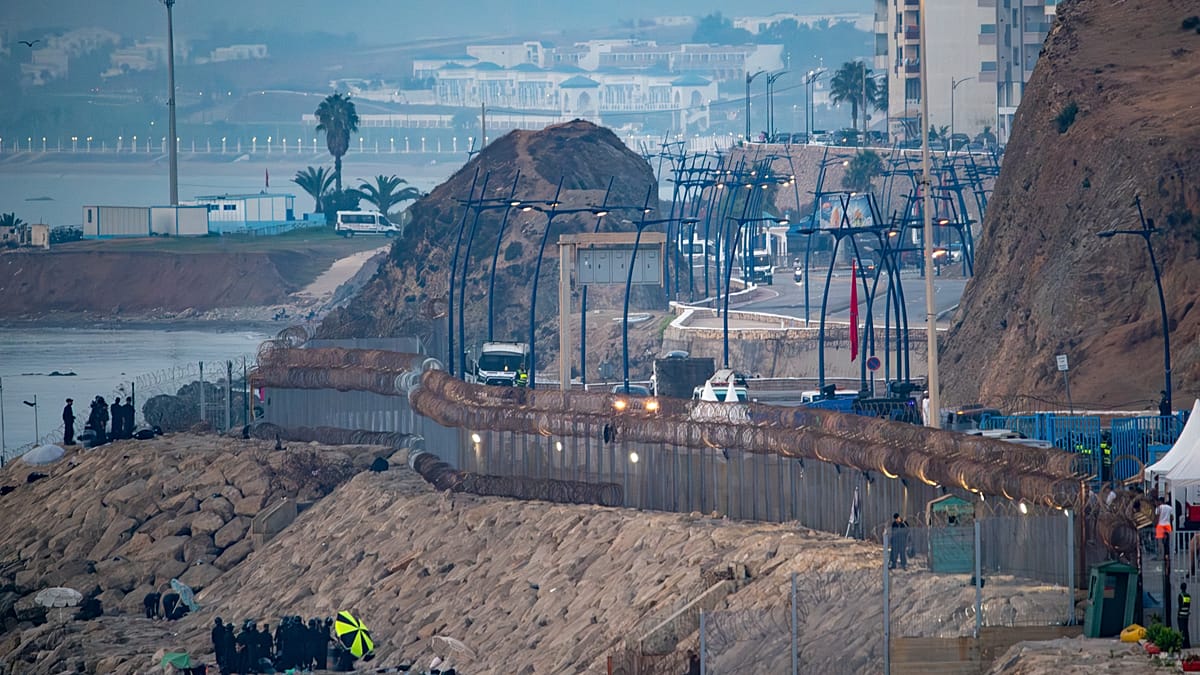
The timing is not accidental. The recent mass entry of migrants into Ceuta, the Spanish enclave on the North African coast, has pushed migration back to the top of the European agenda. It is also shaping the political landscape ahead of elections in several member states in 2027, where the issue is already proving decisive.
A contested instrument
Offshore return hubs remain deeply controversial. Human rights organisations argue that outsourcing reception and removal to third countries risks exposing vulnerable people to abuse and strips them of meaningful legal recourse. Supporters counter that the current system is failing both migrants and host communities, and that only a credible returns policy can sustain public consent for asylum.
For Athens, the stakes are particularly high. Greece sits on the front line of the eastern Mediterranean route and has long argued that frontline states should not carry the financial weight of policies that serve the whole union. Chatzivasileiou's message to Brussels is essentially that solidarity must be measured in euros, not only in declarations.
The Munich gathering will test whether that argument gains traction. If the five states can align behind a common funding demand, they will arrive at the broader ministerial meeting with a clearer position — and a stronger hand in the budget negotiations that will define the EU's migration policy for years to come.