Dublin is preparing to table an ambitious draft proposal for the European Union's next long-term budget, including fresh ideas for EU-level taxation, as negotiations among the 27 member states enter a critical phase.
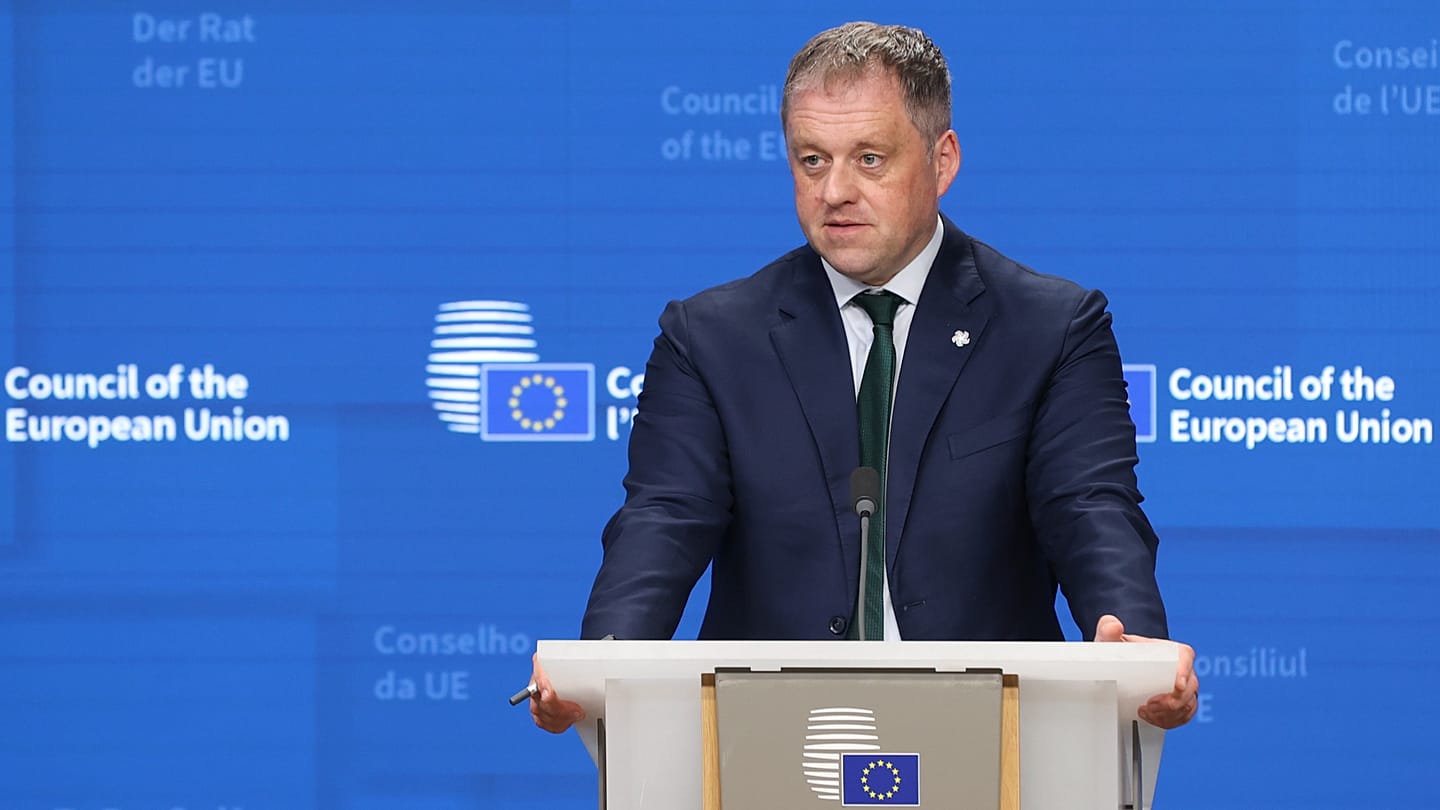
The Irish government, which currently chairs the Council of the EU's discussions on the multiannual financial framework (MFF), will present the text to its counterparts in the coming weeks. A senior Irish official described the draft as “ambitious,” signalling that it will go beyond the European Commission's original blueprint by pushing for new sources of revenue for the bloc.
The move comes as EU finance ministers grapple with how to finance shared priorities such as defence, climate action, and digital transformation, while also repaying the debt incurred under the post-pandemic recovery fund. The debate over “own resources” – the EU's traditional income streams – has long been a fault line between net contributors and net beneficiaries.
New taxes on the table
Among the options being floated are levies on the financial sector, a carbon border adjustment mechanism, and a digital tax on large tech companies. The Irish draft is expected to give these proposals fresh momentum, though several member states, including Germany and the Netherlands, remain sceptical about creating new EU taxes that would reduce national fiscal autonomy.
Ireland's stance is notable given its history as a low-tax economy, particularly for corporations. Dublin has repeatedly defended its 12.5% corporate tax rate, but it has also shown flexibility in international tax negotiations, such as the OECD's global minimum tax deal. The Irish finance minister has previously argued that the EU should focus on energy security and supply chain resilience rather than fiscal harmonisation, but the budget talks may require a more pragmatic approach.
The draft text is likely to include a proposal for a windfall tax on energy firms, echoing a measure that EU finance ministers weighed during the recent price surge. Such a tax could generate billions of euros for the EU budget, but it would need unanimous support from member states, which is far from guaranteed.
Diplomats in Brussels say the Irish presidency is aiming for a political agreement by the end of the year, though many expect the talks to stretch into 2026. The next MFF will run from 2028 to 2034 and is expected to be worth over €1.3 trillion, making it one of the largest spending packages in EU history.
The Irish government has also linked the budget debate to broader geopolitical challenges. In a recent speech, the Irish premier emphasised the need for the EU to strengthen its strategic autonomy, particularly in defence and energy. This aligns with the bloc's response to the war in Ukraine and the shifting transatlantic relationship, as the UK signals a desire to deepen ties with Brussels.
However, the proposal for new taxes is likely to face stiff resistance. Countries such as Sweden, Denmark, and Austria have traditionally opposed any increase in the EU's own resources, preferring to cap the budget at 1% of gross national income. The European Parliament, on the other hand, has called for a more ambitious budget funded by genuine own resources, and has threatened to veto any deal that relies solely on national contributions.
The Irish draft is also expected to address the repayment of the €800 billion recovery fund, which is due to be repaid from 2028 onwards. Without new revenue streams, the EU would have to cut spending on other programmes or ask member states to increase their contributions, both of which are politically unpalatable.
As the negotiations intensify, Ireland's role as an honest broker will be tested. The country has a reputation for building consensus, but it also has its own red lines, particularly on agricultural spending, which is vital for its rural economy. The final outcome will depend on whether the Irish presidency can bridge the gap between the frugal north and the spending south.
For now, the draft text is being circulated among national capitals, and the first formal exchange of views is expected at the next meeting of EU finance ministers. The stakes are high: the budget will shape the EU's priorities for the next decade, and the debate over new taxes will determine whether the bloc can become more financially self-sufficient or remain dependent on member state transfers.