Vilnius has voiced strong opposition to French-backed efforts to remove the Uzbek-Russian billionaire Alisher Usmanov from the European Union's sanctions list, warning that such a move would project weakness to Moscow and fracture the bloc's unity on Ukraine.
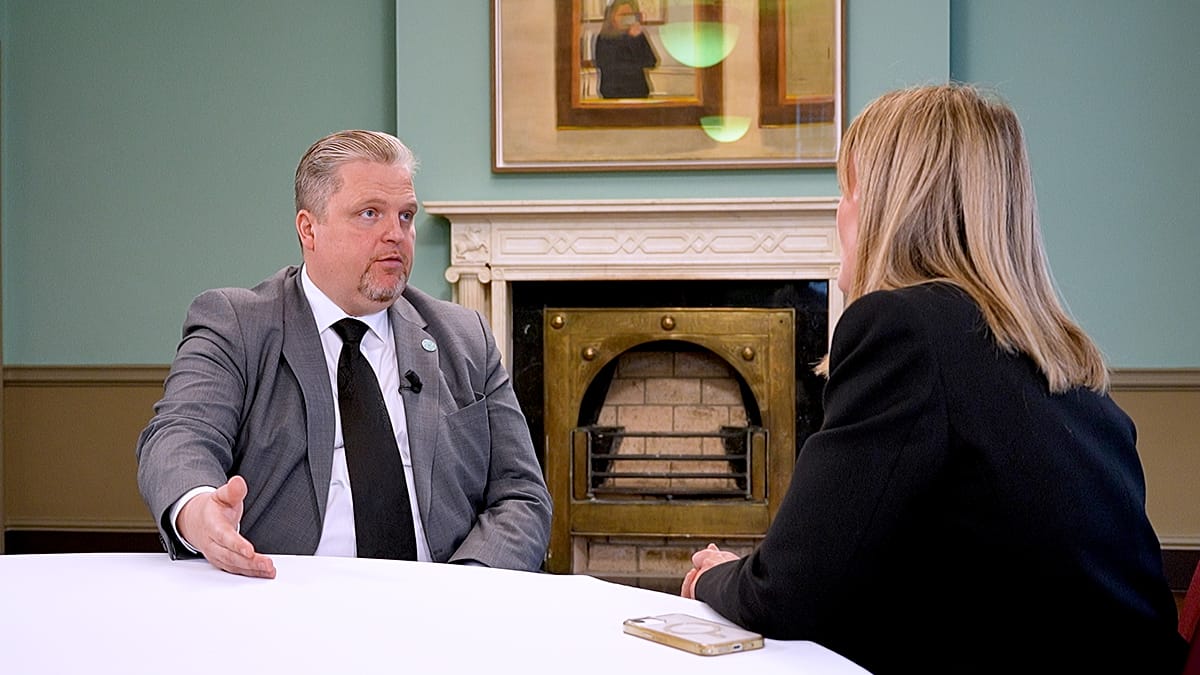
In an interview with Euronews, Lithuania's finance minister, Taurimas Valys, said his government was "very sceptical" of any proposal to ease restrictions on Russian oligarchs while the war in Ukraine continues. France last week requested Usmanov's delisting as part of a package that could also secure the release of two French nationals imprisoned in Azerbaijan, citing national security concerns. French officials have declined to elaborate on the reasoning, and the request has drawn sharp criticism from several EU capitals.
A test of EU resolve
Valys argued that the timing is wrong for any concession. "The war is not over. We believe that any effort to minimise sanctions before we have a peace deal could be considered by Russia as our weakness," he said. He also suggested that removing Usmanov would signal disunity among the 27 member states, a perception that could embolden the Kremlin.
Usmanov, who was sanctioned early in Russia's full-scale invasion of Ukraine over his "close ties" to President Vladimir Putin and his interests in key sectors of the Russian economy, has denied the allegations. His removal would mark a significant shift in the EU's approach, which has so far maintained a hard line on oligarchs linked to the Kremlin.
Valys stressed that Lithuania remains committed to tightening, not loosening, the sanctions regime. "Russia should understand that we are united," he said. "We see Ukraine as a part of our enlargement process. Any kind of effort to occupy more [land] or cause more damage to Ukraine is completely unacceptable."
The French position has complicated the renewal of the EU's Russia sanctions, which require unanimous approval from all member states. The current package covers nearly 3,000 individuals and entities accused of supporting the invasion. Diplomats in Brussels are now weighing a compromise proposed by the Irish presidency of the Council of the EU, which would delist Usmanov and fellow businessman Mikhail Fridman in exchange for an unprecedented 36-month renewal of the sanctions regime, avoiding the need for repeated unanimous votes.
That proposal is being considered by EU ambassadors in Brussels on Monday, with the current short-term extension—already pushed back by seven days after envoys failed to agree on a six-month renewal—set to expire on Tuesday if no deal is reached.
The standoff has exposed deeper tensions within the bloc over how to balance sanctions enforcement with diplomatic and economic interests. Some member states, particularly those with strong trade ties to Russia or concerns about energy security, have been reluctant to maintain the same level of pressure. The Luxembourg's demand has further complicated the renewal process, while EU close to deal on Russia sanctions suggests a resolution may be near, albeit with concessions.
Valys acknowledged that most EU capitals share Lithuania's scepticism about delisting, but he warned that the pressure to avoid a lapse in sanctions could lead to a bad precedent. "We should not be seen as divided," he said, adding that any removal of names from the list should be conditional on clear progress toward peace.
The debate comes as the EU also grapples with broader economic challenges linked to the war, including energy price surges and inflation. Finance ministers have discussed windfall taxes on energy firms as a way to cushion the impact, but the sanctions impasse remains a priority.
If the compromise is accepted, it would mark the first time the EU has removed a major oligarch from its sanctions list since the invasion began. Critics argue that such a move would undermine the credibility of the entire sanctions regime, while supporters insist it is a pragmatic step to ensure the long-term survival of the measures.
For Lithuania, the stakes are existential. "We are on the front line," Valys said. "Any sign of weakness could have consequences not just for Ukraine, but for the security of the entire region."