Halkidiki, the three-pronged peninsula in northern Greece, has long been a summer staple for Europeans seeking clear water and pine-backed coves. This season, however, the region is seeing more than just the usual rush of sun-seekers. Travellers are giving the destination a renewed vote of confidence, and the mix of who comes — and why — is changing.
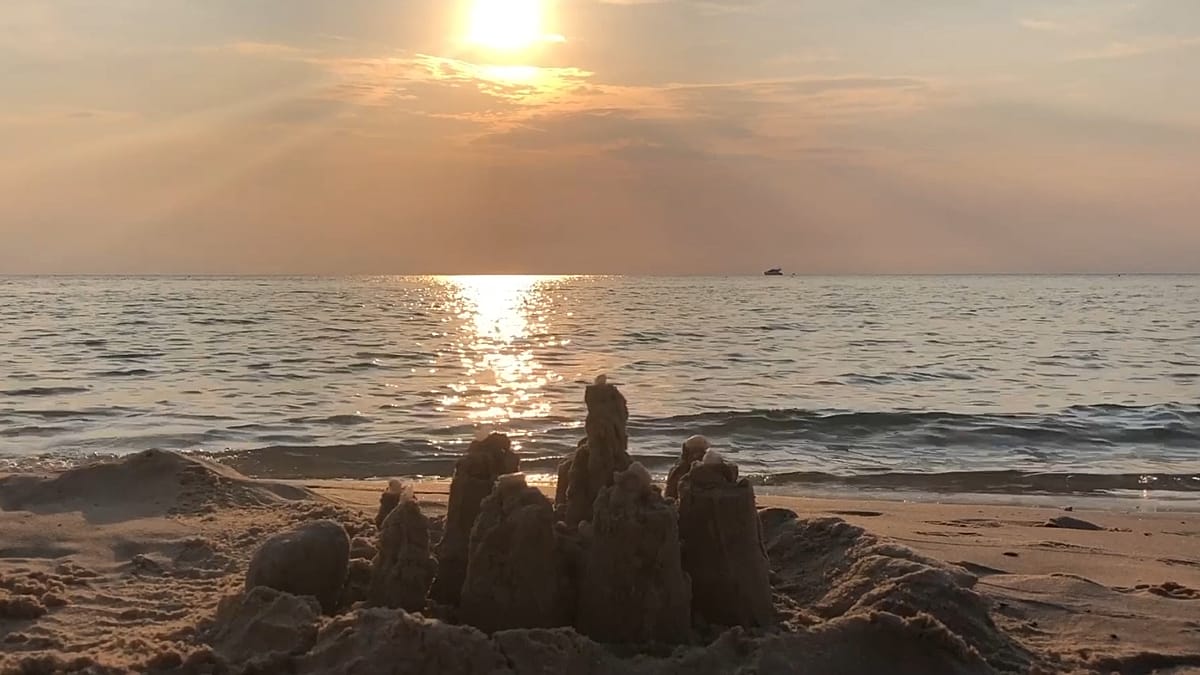
Interviews with visitors on the ground this month paint a picture of a place that still delivers on its classic promises: the turquoise shallows of Kassandra, the rugged coastline of Sithonia, and the monastic calm of Mount Athos looming in the distance. But the crowds are no longer only from neighbouring Balkan countries or Germany. Tourists from France, the UK, Poland, and even non-European markets such as the US and Australia are turning up in greater numbers, drawn by direct flights to Thessaloniki and a growing reputation for value.
“There’s no place like Halkidiki,” said Maria, a returning visitor from Munich, lounging on a beach near Nikiti. “We came for the first time five years ago, and now we bring friends every summer. It’s less crowded than the islands, and the food is incredible.” Her sentiment echoes a broader trend: repeat visitors are acting as informal ambassadors, spreading the word across social media and travel forums.
Local tourism officials are watching the shift with cautious optimism. The region’s hotel association reports that occupancy rates for July and August are on par with last year’s strong numbers, but the composition of guests has become more varied. “We are no longer dependent on one or two source markets,” said Yiannis Tsiftsis, a representative of the Halkidiki Tourism Promotion Committee. “That makes us more resilient, and it also changes the character of the season.”
The change is partly structural. Thessaloniki’s airport has expanded its route network, with new low-cost carriers linking the city to more European hubs. At the same time, Halkidiki has invested in upgrading its marina facilities and promoting inland activities like wine tours and hiking trails in the foothills of Mount Chortiatis. These efforts are designed to stretch the season beyond the traditional June-to-September peak.
“We used to think of Halkidiki as a beach-only destination,” said Elena Papadopoulou, a travel agent in Polygyros, the region’s capital. “Now we’re selling it as a place for slow travel, for families who want a base to explore, and for remote workers who can stay a month.” The rise of digital nomad visas in Greece has added another layer, with several co-working spaces opening in Nea Moudania and Ouranoupoli.
Not everything is rosy. Infrastructure strains are becoming visible in peak weeks, with parking shortages in popular spots like Kalogria Beach and occasional water supply issues in smaller villages. Environmental groups have also raised concerns about unregulated construction along the coastline. Local authorities say they are working on a sustainable tourism plan that balances growth with protection of the region’s natural assets.
A more discerning traveller
The new visitor profile is also more demanding. Tourists are asking about eco-certified hotels, local sourcing, and authentic experiences rather than just sunbeds and cocktails. This has prompted a wave of small-scale investments: family tavernas are highlighting their own olive oil, boutique guesthouses are installing solar panels, and guided kayak tours along the Sithonia coast are selling out weeks in advance.
“People want to feel they’re getting something real,” said Dimitris, who runs a small agritourism farm near Arnaia. “They don’t just want a photo; they want to know where the honey comes from.” His farm now hosts cooking classes and beekeeping demonstrations, attracting a clientele that would previously have skipped the mainland for the islands.
The shift is also visible in the region’s marketing. The Halkidiki tourism board has moved away from generic sun-and-sea imagery, instead promoting themed itineraries: “Halkidiki for families,” “Halkidiki for hikers,” and “Halkidiki off the beaten track.” The approach appears to be working, with a noticeable increase in shoulder-season bookings for May and October.
For the wider Greek tourism economy, Halkidiki’s evolution is a useful case study. As the country grapples with overtourism in Santorini and Mykonos, the peninsula offers an alternative model: growth that is more dispersed, more sustainable, and more closely tied to local communities. Whether that model holds will depend on how well the region manages its newfound popularity.
For now, the mood among travellers is upbeat. “We came for a week and extended to ten days,” said James, a first-time visitor from Manchester. “The beaches are great, but it’s the people that make it special. We’ll be back.” That kind of endorsement, repeated across nationalities, is the strongest signal yet that Halkidiki’s appeal is not just enduring — it’s evolving.