As concerns over hantavirus spread across Europe following a series of incidents on cruise ships and remote islands, a leading immunologist has urged calm, emphasising that the pathogen is a known entity that can be managed through containment.
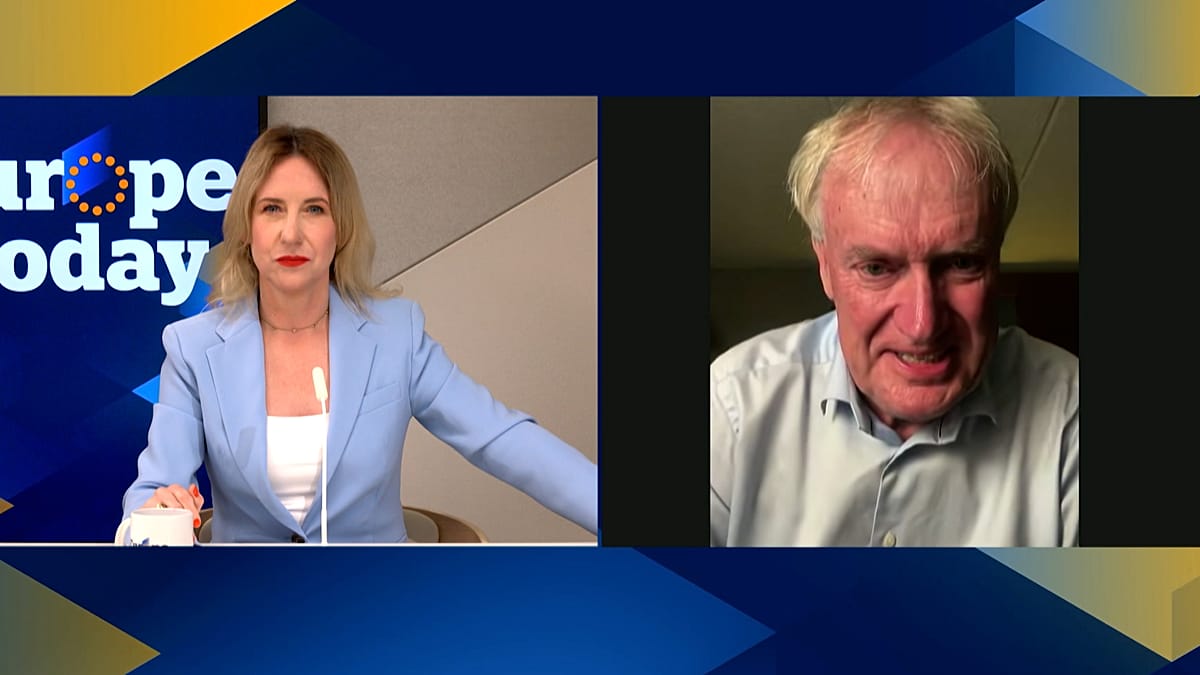
Professor Luke O'Neill, chair of biochemistry at Trinity College Dublin, acknowledged that the virus's mortality rate makes the situation 'a bit scary,' but he stressed that the strain involved—the Andes variant of hantavirus—is well understood and has not mutated into a more dangerous form. 'It has not changed,' O'Neill said, calling on health authorities to 'reassure' the public about its low risk as long as containment measures are effective.
The Andes hantavirus, first identified in Argentina in the 1990s, is one of several hantavirus strains that can cause hantavirus pulmonary syndrome (HPS), a severe respiratory illness. Unlike some other hantaviruses, the Andes strain is known to be transmissible between humans, though such cases are rare and typically require close contact.
European Response and Recent Incidents
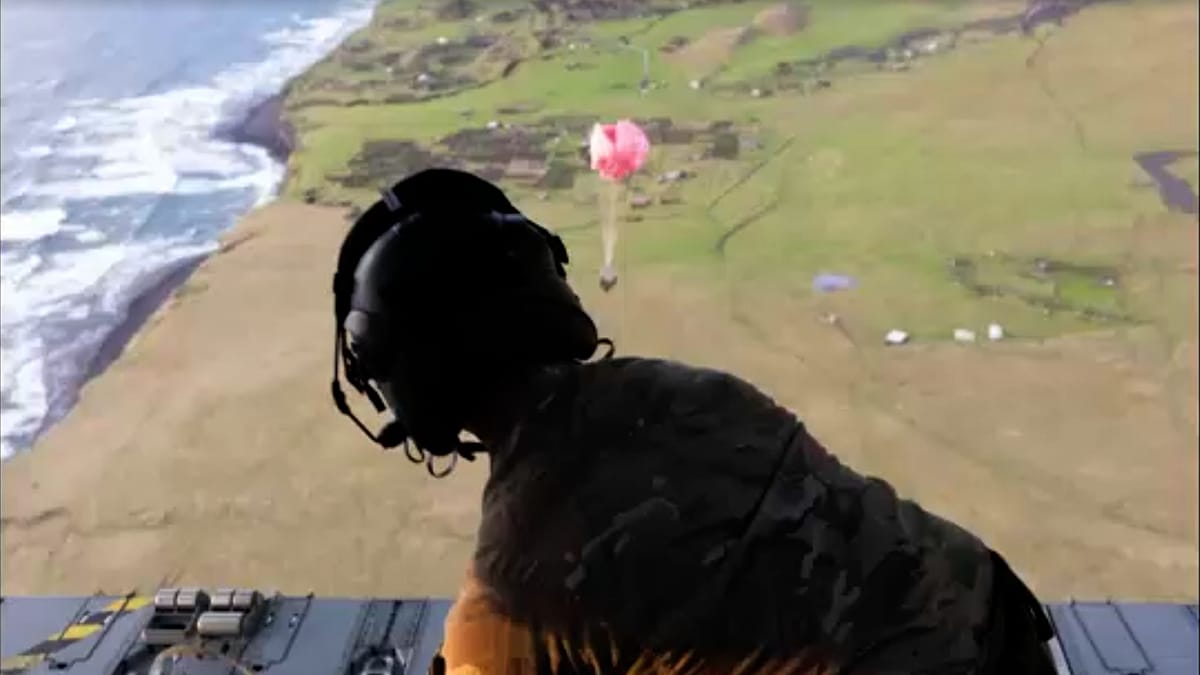
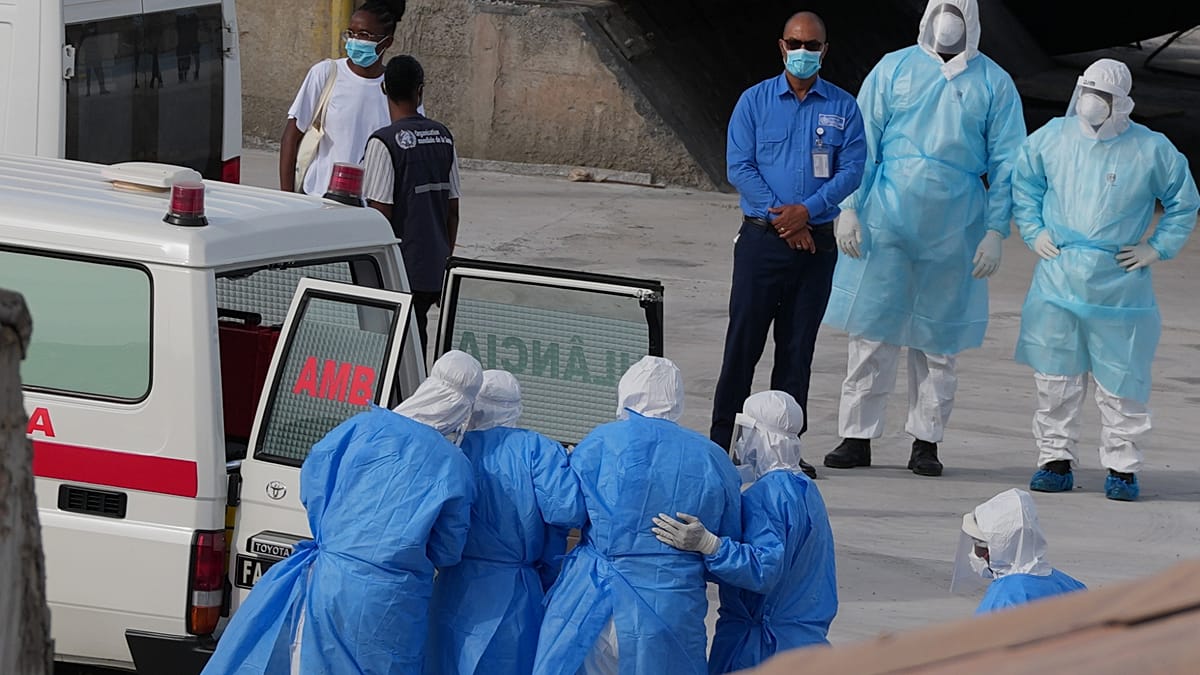
Recent events have put hantavirus in the spotlight across Europe. In March, a French woman was hospitalised in critical condition after a cruise ship outbreak, prompting the World Health Organization to monitor the situation but conclude there was no wider spread. The incident led to the EU strengthening cross-border health protocols to improve coordination between member states. Meanwhile, the UK military air-dropped medics to the remote island of Tristan da Cunha after a suspected hantavirus case, and three people were evacuated from the MV Hondius in Cape Verde under similar suspicions.
In Tenerife, residents remained calm as a cruise ship linked to hantavirus docked, with local authorities implementing standard quarantine procedures. French President Emmanuel Macron declared the virus 'under control' in France and urged the adoption of EU-wide standards for handling such outbreaks.
O'Neill's comments come amid a flurry of online misinformation about hantavirus, including conspiracy theories linking it to bioweapons or vaccine campaigns. Experts have been working to debunk these viral falsehoods, which have circulated widely on social media platforms.
Containment as the Key
The professor's core message is that containment remains the most effective strategy. 'As long as we contain it, there is nothing to worry about,' he said, echoing the approach taken by health authorities in Europe and beyond. The virus is primarily spread through rodent droppings, urine, or saliva, and human-to-human transmission is limited. In Europe, hantavirus cases are sporadic and mostly linked to exposure to infected rodents in rural areas.
O'Neill's reassurance is supported by the fact that no sustained community transmission has been reported in Europe. The recent cruise ship cases appear to be isolated, with no evidence of wider spread on the continent. The WHO has not issued any travel restrictions related to hantavirus, and European health agencies continue to monitor the situation.
Nevertheless, the incidents have spurred a race to develop a hantavirus vaccine, with several European research institutions accelerating their work. While no vaccine is currently approved for human use, the renewed focus on prevention could yield results in the coming years.
For now, O'Neill's advice to the public is clear: follow hygiene guidelines, avoid contact with rodents, and trust that authorities have the situation under control. 'We have dealt with this virus before, and we can do so again,' he concluded.