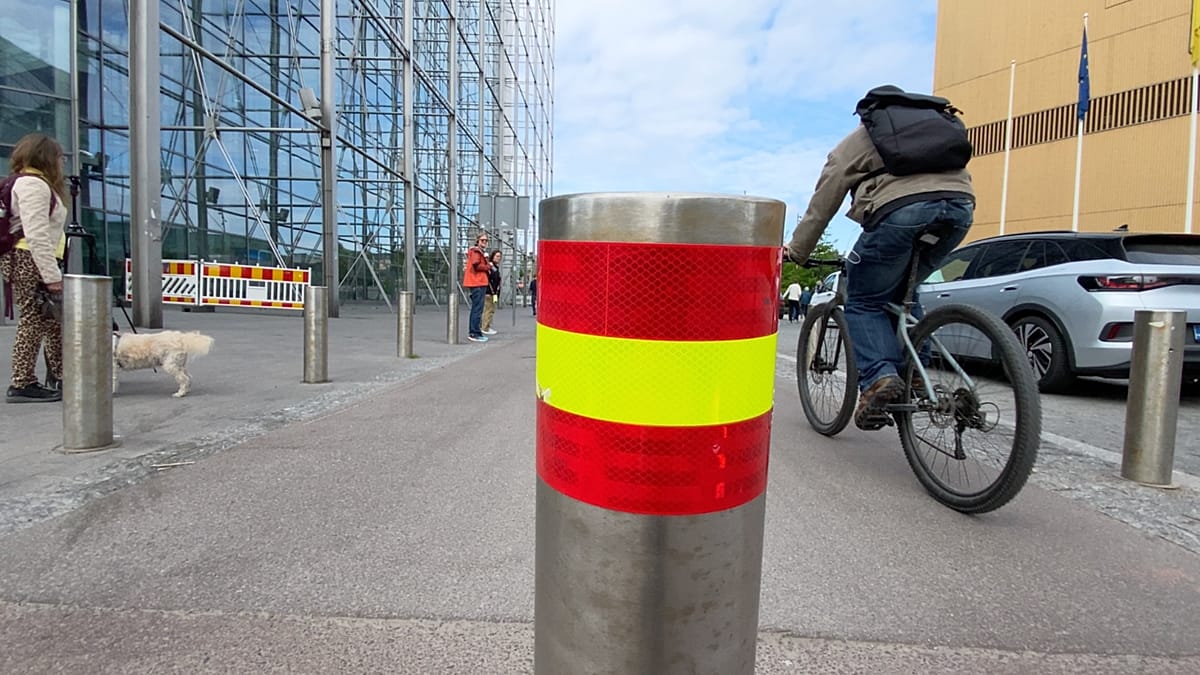
For the first time in its modern history, the Helsinki metropolitan area—home to roughly 1.4 million people—has gone a full year without a single road fatality. Between 2024 and 2025, the Finnish capital recorded twelve consecutive months of zero deaths on its streets. By contrast, Paris saw 31 people killed in road traffic over a comparable period, including drivers, pedestrians, and cyclists. As of the time of this report, Helsinki had extended its streak to another nine months.
This achievement is no accident. It is the result of a deliberate, decades-long strategy that began in the 1980s, when city planners first set out to eliminate road deaths entirely. “The goal was set here 40 years ago. Now it's a reality,” says Martti Tulenheimo, chief specialist at the Finnish Cyclists’ Federation. “It's important to set your goals and look into the future.”
Speed, Infrastructure, and Enforcement
Central to Helsinki’s success is a comprehensive approach that tackles every element of road safety. “Improving the safety of our traffic environment is important, but so is safer road user behaviour, safer vehicles, and legislation or traffic enforcement,” explains Roni Utriainen, a traffic engineer at the City of Helsinki’s Urban Environment Division. “The city has reduced speed limits, improved walking and cycling facilities, narrowed roadways and built speed camera sites. Public transport is very good and that also helps to reduce the number of car trips and collisions.”
Two decades ago, Helsinki adopted 30 km/h as the default speed limit on its streets. Today, the city operates 70 automatic speed cameras, supplemented by regular police checks on speed and alcohol levels. “We have traffic controls, where speed limits and alcohol levels come under scrutiny. Of course, all modes of transport are controlled,” says Dennis Pasterstein, superintendent and head of traffic control operations at the Helsinki Police Department. He also highlights the role of communication: “Last year, for example, there were 30 million views from our social media accounts alone. These campaigns multiply by hundreds or thousands of times the visibility of a simple traffic fine. The impact on people’s driving behaviour is huge.”
Infrastructure investment has been equally decisive. Over the past 20 years, Helsinki has built tunnels in busy downtown hubs and bridges connecting neighbouring districts—exclusively for pedestrians and cyclists. In 2024 alone, the city allocated about €35 million to cycling and pedestrian infrastructure, though that represents only 13% of its total traffic investment budget, notes Matti Hirvonen, a chief specialist at the Network of Finnish Cycling Municipalities.
Looking Ahead: Car-Free Zones and Vision Zero
Helsinki is not resting on its laurels. By 2030, private cars will be banned from the busy streets around the Central Railway Station, a major traffic hub. “The bigger issue is public acceptance,” says Pasi Anteroinen, managing director of Liikenneturva, the Finnish Road Safety Council. “What's acceptable in a country or in a city? What are our expectations? The people of Helsinki have decided that they want safer streets.”
The European Union’s “Vision Zero” strategy aims to move as close as possible to zero fatalities in road transport by 2050. The fundamental idea is that road deaths and serious injuries are preventable. Helsinki’s example shows that this goal is attainable, even if the path requires patience and sustained political will. “If I would mention just one thing, that would be reduce speed limits,” says Utriainen. “That’s where you can start. Of course, every city is different. Some European capitals are ten times larger than Helsinki, but they can still strive to be better every single day.”
As other European cities grapple with rising traffic fatalities—exacerbated by heatwaves that can impair driver concentration, as seen in recent Belgian and French studies—Helsinki’s model offers a proven, replicable blueprint. It is a reminder that road safety is not a matter of luck, but of design.