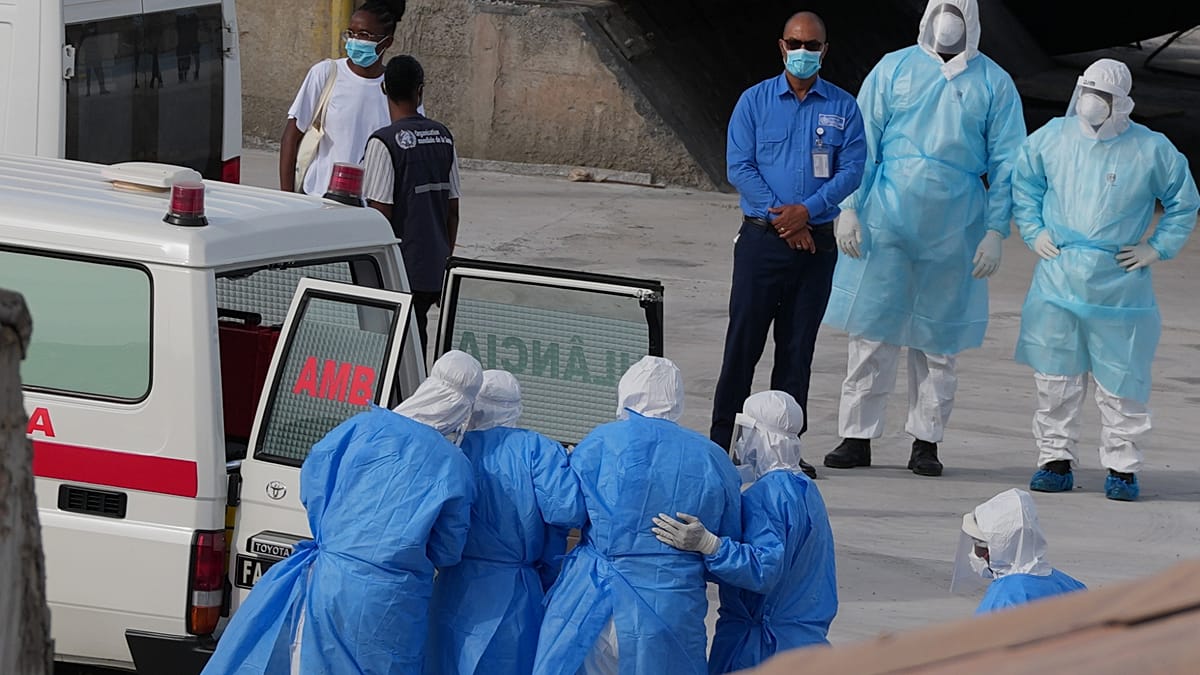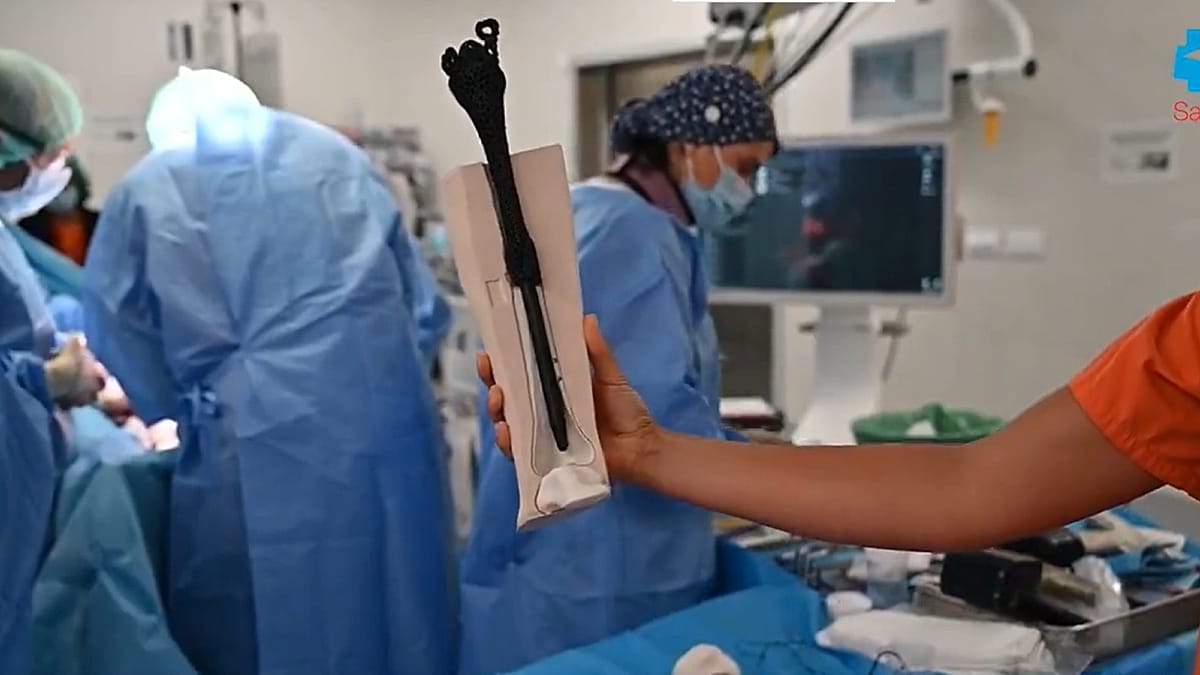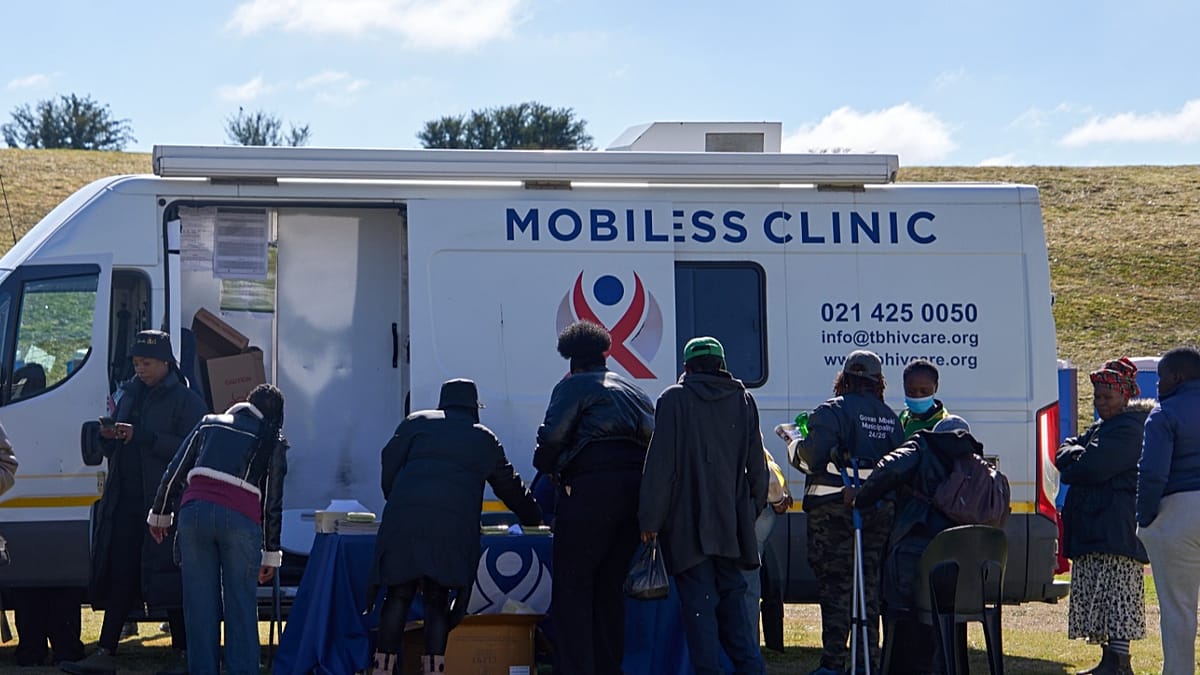
Sharp reductions in international funding for HIV programmes are putting decades of progress at risk, according to global health experts and a new report from UNAIDS. The cuts are already disrupting prevention, testing, and community-led services that reach the most vulnerable populations.
The report, released this week, shows that external financing for the global HIV response in low- and middle-income countries dropped by 18% in 2025 compared with the previous year—the steepest annual decline in nearly 20 years. This comes as the United States dismantled the United States Agency for International Development (USAID), one of the largest donors to HIV programmes worldwide.
Mwelwa Phiri, an HIV/AIDS specialist at the Antwerp Institute of Tropical Medicine and Zambart in Zambia, told European Pulse that the sudden loss of funding has had immediate consequences. “From one day to the next, the money was gone,” she said. “People lost their jobs, services were abruptly cut, and health systems were left unable to respond.”
Phiri stressed that the impact is already visible in communities. “We're not going to reach those in need, because we've stopped doing what we were doing, which was working,” she added. In Zambia, for example, volunteers who used to go door-to-door offering HIV tests have been withdrawn, leaving many people unaware of their status.
Progress at risk
Decades of global solidarity have brought remarkable achievements. The number of AIDS-related deaths worldwide fell by 57% between 2010 and 2025, from 1.3 million to 570,000. By December 2025, 32.1 million people living with HIV were receiving treatment—an increase of 3% from the previous year.
Yet the UNAIDS report warns that these gains could be reversed. In 2024, there were one million more new infections and 400,000 more AIDS-related deaths than would have been expected if the world were on track to meet the 2030 elimination targets. “Mortality remains unacceptably high for a treatable condition,” the agency noted.
The cuts are also hitting prevention efforts hard. National data submitted to UNAIDS show that pre-exposure prophylaxis (PrEP) uptake fell by more than 50% in Cameroon, Nigeria, and Zambia between 2024 and 2025. Early detection is critical: starting treatment soon after infection allows patients to reach an undetectable viral load, meaning the virus cannot be transmitted to others.
Phiri emphasised the importance of planning for any transition away from donor support. “People don't deserve to suffer because decisions are made abruptly,” she said. “We can offer some social dignity by planning this properly and ensuring that this is done right.”
Moving beyond donor dependence
The UNAIDS report calls for a shift towards country ownership and domestic financing, while maintaining global solidarity. Phiri agrees that a phased approach is essential. “We have to continue, plan it and do it in a phased manner for this to be beneficial for everybody—for the people on the ground, for the funders, and for the health systems and countries,” she said.
The situation is particularly acute in sub-Saharan Africa, where HIV prevalence is highest and health systems are often fragile. But the implications extend beyond the continent. As global health governance becomes more complex, European countries and institutions are being urged to step up their contributions.
European Union member states, along with the UK, Switzerland, and Norway, have historically been significant donors to the Global Fund to Fight AIDS, Tuberculosis and Malaria. Whether they can compensate for the US withdrawal remains uncertain, but experts say the window for action is narrow.
“The donor funding allowed us to get to where we are now,” Phiri said. “If the underfunding continues, we will definitely go backwards.”