The Saudi-led coalition fighting in Yemen has accused the Iran-backed Houthi movement of launching a drone strike on an electricity substation in the holy city of Medina, a charge the Houthis swiftly dismissed as a fabrication. The incident, if confirmed, would mark a significant escalation in a conflict that has repeatedly spilled over Saudi borders since 2015.
According to coalition spokesman Major General Turki al-Maliki, the drone struck the Taibah distribution station at 5:11 am local time on Tuesday. The facility supplies power to the Prophet's Mosque, one of Islam's most revered sites, where the Prophet Mohammed is buried. Al-Maliki said investigators had examined the wreckage and concluded that the Houthi militia was responsible for what he called a "cowardly terrorist act." He added that one transformer was knocked out but the wider grid remained operational.
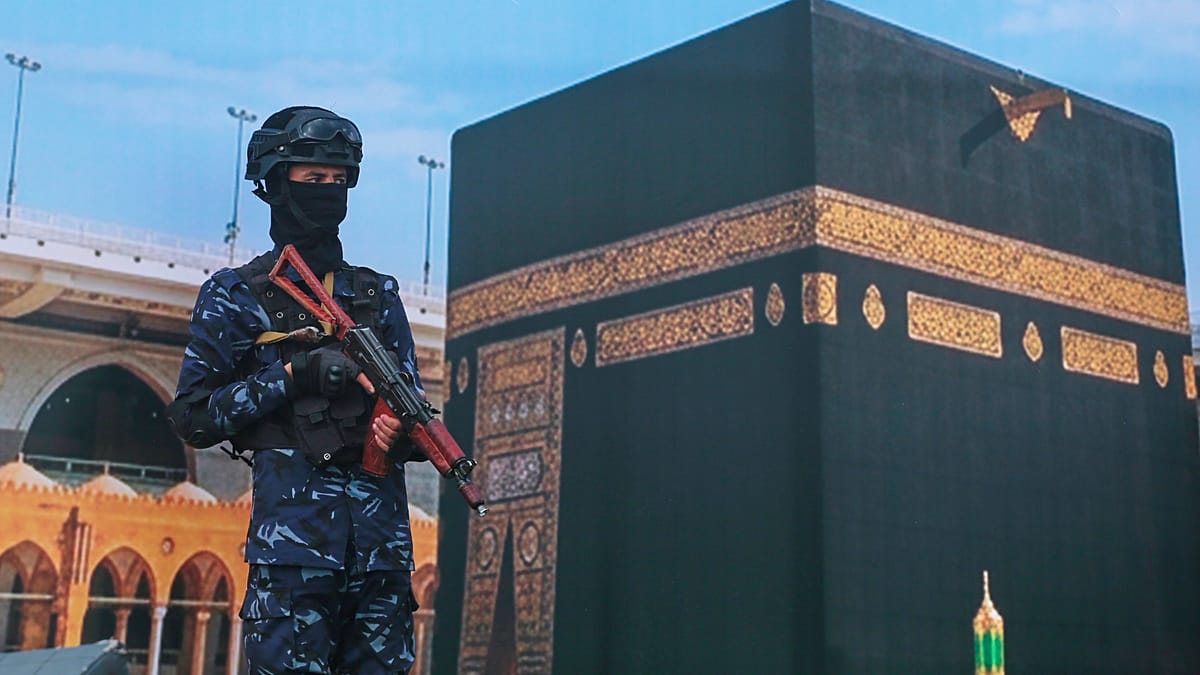
Medina, along with Mecca, holds profound religious significance for Muslims worldwide. Any attack on these cities would be seen as an affront to the entire Islamic world, transcending sectarian divides. The coalition's statement emphasised this, saying the strike was part of "this extremist militia's attempts to target the Two Holy Mosques."
However, the Houthis, who control the Yemeni capital Sana'a and much of the Red Sea coast, rejected the accusation outright. A senior Houthi official, quoted by the group's Saba news agency, called the claim a "lie" designed to bolster earlier allegations. In mid-September, Riyadh had accused the Houthis of a drone attack on Mecca, which the group also denied. Houthi military spokesman Yahya Saree insisted then that their operations "target its oil facilities and military bases, which are far removed from the sacred sites," and dismissed Saudi statements as "fabrications and lies."
Regional and international reaction
The alleged attack drew swift condemnation from across the region. Turkey's foreign ministry said it "strongly condemns the Houthis' attack on civilian infrastructure" in Medina, calling it a "provocative attack" that threatens Saudi sovereignty and the sacred values of Islam. Ankara urged an immediate end to such actions and reaffirmed its support for Riyadh.
Qatar also voiced its disapproval, describing the incident as "a grave assault on the sanctity of Islamic holy sites" and a violation of international law. Doha expressed "full solidarity" with Saudi Arabia, stressing that the kingdom's security is integral to Gulf stability. The League of Arab States joined in, calling the attack "an unacceptable transgression" that provokes Muslims worldwide. Al-Azhar, the prestigious Cairo-based centre of Sunni learning, likewise denounced the strike, saying it "provokes the sentiments of Muslims worldwide."
The accusations come amid intensified fighting in Yemen. The internationally recognised government's military said it had carried out strikes on Houthi targets in Sana'a, Saada, and Taiz, including a "high-value targeting operation" in the capital and 27 air strikes against what it described as an "integrated military system" in Taiz. Witnesses reported explosions in Sana'a, underscoring the renewed volatility of a conflict that has killed tens of thousands and pushed millions to the brink of famine.
The Houthis, who follow Zaydi Shia Islam—a branch distinct from both Iran's Twelver Shia tradition and Saudi Arabia's Wahhabi-influenced Sunni interpretation—have repeatedly launched drones and missiles at Saudi Arabia since the kingdom intervened in Yemen's civil war. While the group has often targeted Saudi airports and oil infrastructure, striking at the heart of Islam's holiest cities would be a dramatic departure, one that risks alienating even their regional backers.
For now, the veracity of the Saudi claim remains unverified. Independent observers have noted that the coalition has in the past made accusations that were later contested. Yet the political fallout is already significant, with regional powers lining up behind Riyadh. The episode also highlights the fragile security environment around the Gulf, a concern that resonates well beyond the Middle East, given Europe's reliance on Gulf energy supplies and its broader interest in regional stability.
As the war in Yemen grinds on, the risk of miscalculation grows. Any confirmed attack on Mecca or Medina would not only inflame Muslim public opinion but could also reshape the conflict's dynamics, drawing in actors who have so far remained on the sidelines. For now, the world watches to see whether the Houthis' denial holds and whether the coalition's evidence withstands scrutiny.