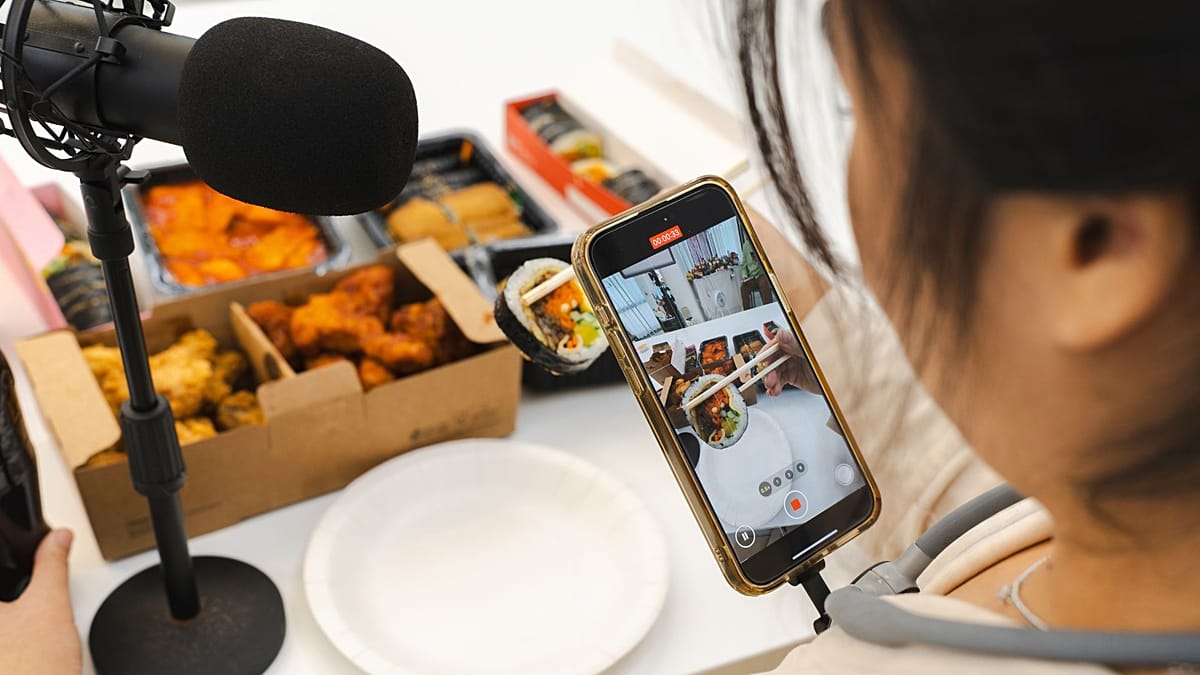
For many European teenagers, TikTok is more than a source of entertainment—it's a culinary guide, a restaurant reviewer, and a diet coach rolled into one. From viral dishes at fast-food chains to influencer-endorsed meal plans, the platform is increasingly shaping what young people want to eat, and how they think about food.
A recent study of 25 teenagers aged 15 to 16, published in the journal Appetite, found that food-related content on TikTok can trigger cravings, encourage experimentation, and even lead some adolescents to alter their eating habits to emulate online personalities. The research, led by Adrianna N. Bell from the University of Birmingham, highlights the complex role the platform plays in the lives of young Europeans.
When curiosity turns into appetite
Teenagers in the study described a digital environment where trends, adverts, and influencer posts can quickly transform passive scrolling into a desire to eat. The novelty of trending foods is a powerful draw, as one participant explained: “The reason why I want to [try the trending food] is because I’m like, ‘why do so many people want to do it, like what’s so good about it?’ so it makes me wanna try it.”
Visual appeal also matters. Professionally produced videos, attractive food presentations, and positive comments can amplify cravings. Teenagers said they often weigh the comments section when deciding whether to trust a recommendation, making the platform a social proof machine for food choices.
Influencers play a particularly significant role. One participant described changing their diet after watching a muscular influencer: “So, sometimes I be changing the way I eat. Because I’ve seen some dudes that are so buff and they have a good body you know and I’m like damn and so I click on his account and see what they’d be eating. And then I sometimes change how I eat, like to try to match it.”
This illustrates that influencers don't need to explicitly sell a product—they can promote a lifestyle where food is presented as a means to achieve a certain body or appearance, which can be especially persuasive for adolescents still developing their self-image.
The algorithm's role in normalizing fast food
The study also underscores the power of TikTok's algorithm. Teenagers said their food choices could depend on what appeared on their personalized For You page. Repeated exposure to fast food can even shift perceptions, as one participant noted: “I see so much fast food that like I don’t see fast food as unhealthy even though it is pretty unhealthy.”
This aligns with broader concerns about social media food marketing. Research has shown that adolescents are frequently exposed to food adverts online, and they can be more receptive to social media advertising than traditional television ads. A recent systematic review and meta-analysis found that celebrities and influencers promoting foods high in fat, sugar, and salt can increase adolescents' consumption of those foods.
On TikTok, the line between advertising and entertainment is often blurred. A video can be a brand advert, an influencer recommendation, a restaurant review, or a viral recipe—all looking like ordinary user-generated content. This makes it harder for young users to recognize commercial messages, a challenge that regulators in Brussels are already grappling with as part of the EU's Digital Services Act.
Parents as a counterweight
Perhaps the most encouraging finding is the role parents can play. Most teenagers in the study said their parents had little involvement in their daily TikTok use. But when parents did intervene, it made a difference. “They also described times when parents played an important role by interrupting exposure to food-related content and encouraging critical conversations about that content,” Bell said.
Interventions weren't always about TikTok itself. Family meals, spending time with siblings, or simply having parents around could interrupt long periods of scrolling and reduce exposure to food-related content. Some teenagers described a more direct form of parental influence: learning to question what they see online.
One participant recalled their mother explaining that influencers have different bodies and lifestyles, so copying their diet wouldn't necessarily produce the same results. This points to a form of parental involvement that is less about surveillance and more about media literacy—helping teenagers understand that what they see on TikTok is curated, often commercial, and not a blueprint for real life.
As policymakers across Europe debate social media regulation, from addiction lawsuits in the US to EU efforts to combat disinformation, this study adds a new dimension: the impact on what young people eat. While the research is small and exploratory, its message is clear—TikTok is not just showing teenagers what food looks like; it's shaping what they find desirable, popular, and normal.
And sometimes, as one teenager put it, that is enough to make them think: “I wanna try it so bad.”