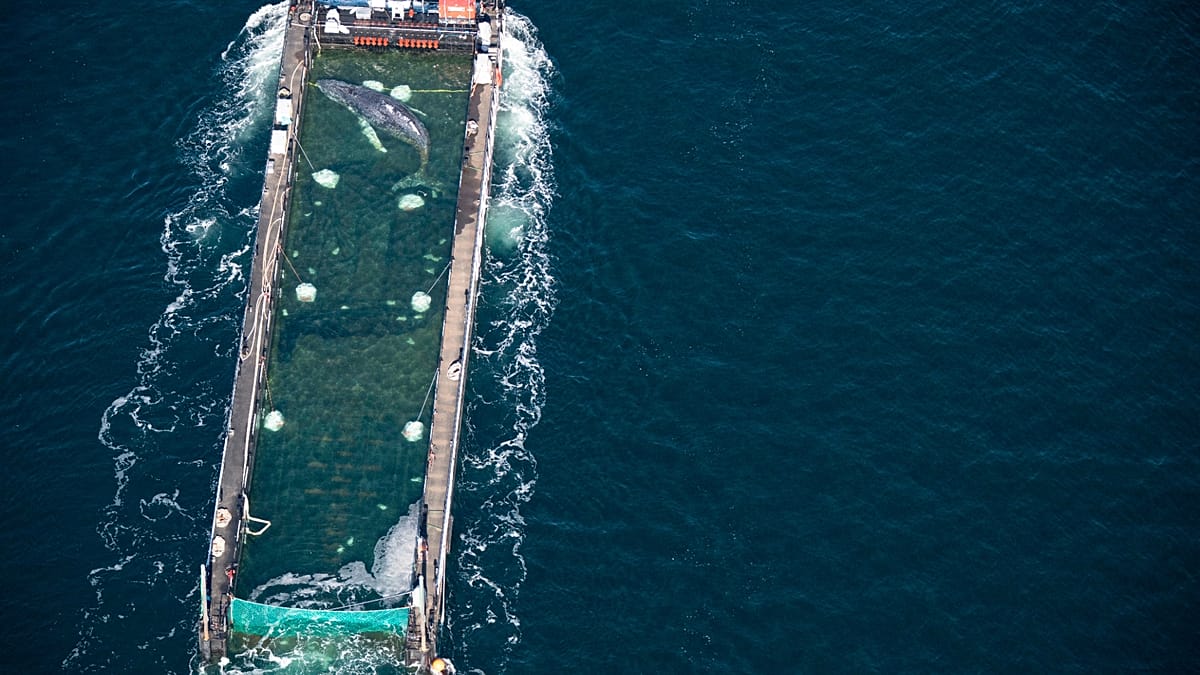
A humpback whale that became stranded on Germany's North Sea coast has been successfully rescued and released into the open waters off Denmark. The operation, which involved a barge transport across the maritime border, highlights the growing cooperation between European nations in marine wildlife conservation.
Stranding and Rescue
The whale was first spotted struggling in shallow waters near the German shoreline, likely disoriented or in distress. Local authorities in Schleswig-Holstein, the northernmost German state, quickly mobilised a rescue team. Marine biologists from the German Oceanographic Museum in Stralsund assessed the animal's condition and determined that a direct release from the beach was not feasible due to the risk of re-stranding.
Instead, the team decided to transport the whale by barge to deeper waters. The animal was carefully loaded onto a specially equipped vessel and taken northward into the Danish sector of the North Sea. Danish marine authorities coordinated with their German counterparts to identify a suitable release site, ensuring the whale would have a clear path to open ocean.
“This was a textbook example of cross-border cooperation,” said a spokesperson for the German rescue team. “Without the swift support from Danish colleagues, the outcome could have been very different.”
The release was carried out without incident, and the whale was observed swimming strongly away from the barge. Biologists will monitor its progress through satellite tagging, though initial signs are promising.
Broader Context
Humpback whale strandings are relatively rare in the North Sea, but they have increased in recent years, possibly due to changing ocean temperatures and prey distribution linked to climate change. The North Sea is a busy shipping corridor, and collisions with vessels or entanglement in fishing gear are additional threats to these large cetaceans.
Germany has invested significantly in marine mammal rescue infrastructure, including specialised transport equipment and training for first responders. The country's Walschutz (whale protection) programme, run jointly by federal and state agencies, coordinates rescue efforts along the entire German coastline.
This incident also underscores the importance of the European Union's Marine Strategy Framework Directive, which aims to protect marine biodiversity and restore healthy ecosystems. While the directive sets broad goals, individual member states often rely on bilateral agreements to handle time-sensitive emergencies like this one.
In related news, European NATO members have boosted defence spending, but environmental cooperation remains a quieter yet vital aspect of European integration. The whale rescue is a reminder that practical collaboration on environmental issues can yield tangible results.
For now, the humpback whale is back in its natural habitat, a success story that marine biologists hope will inspire further investment in wildlife rescue capabilities across Europe.