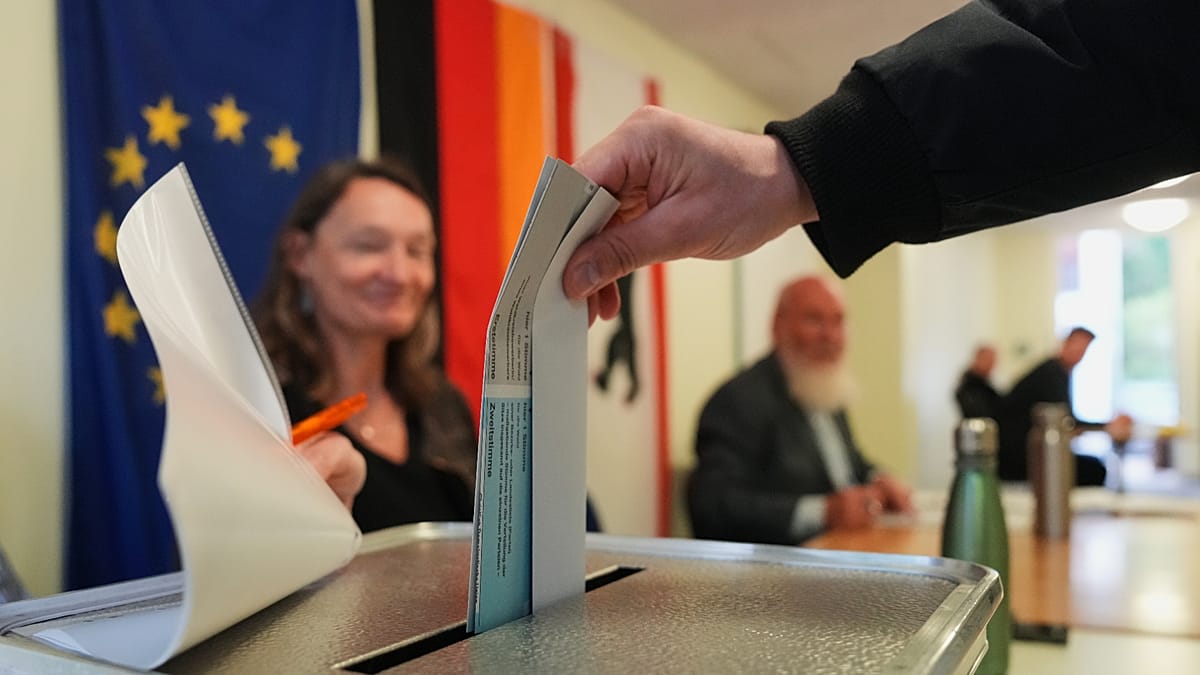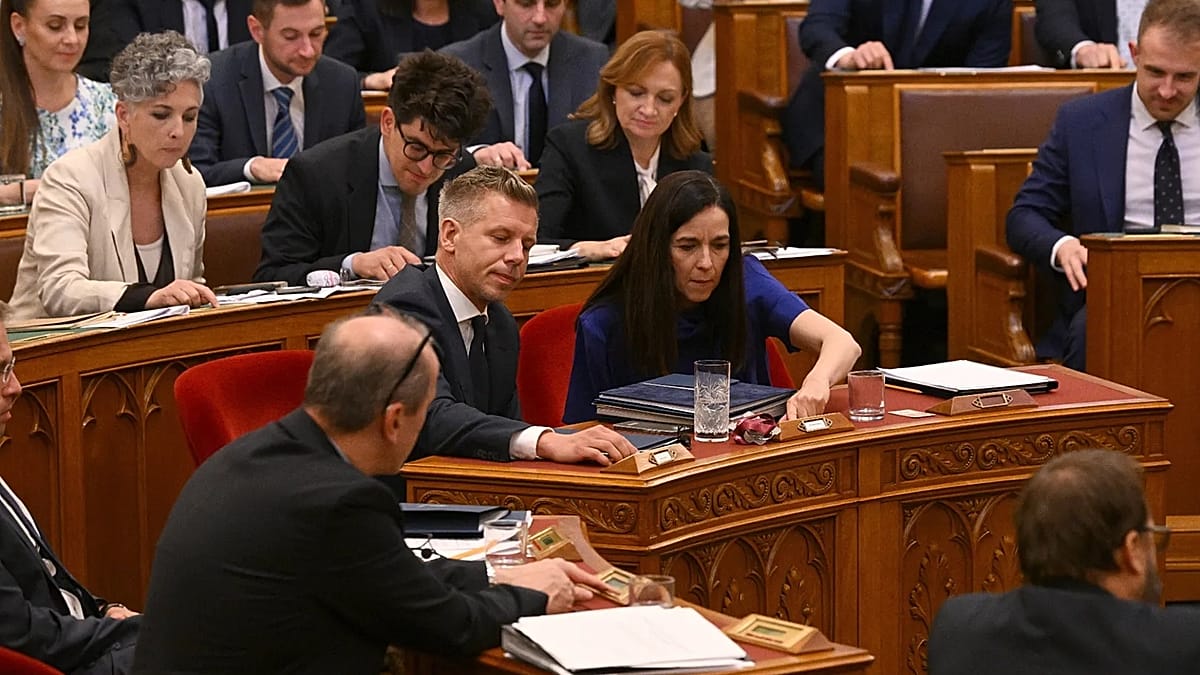
Hungary's parliament is set to elect a new president on Tuesday, yet the field remains wide open: no candidate has been formally nominated. The vote comes as Prime Minister Péter Magyar's Tisza party, which swept to power in April's general election, seeks to fill the largely ceremonial post with a figure who can unite a deeply polarized nation.
The presidency in Hungary carries limited but symbolic weight: the office-holder signs legislation, can refer bills to the Constitutional Court, and holds the power of pardon. Since the removal of Tamás Sulyok in July—whom Magyar branded an Orbán "puppet"—the speaker of parliament, Ágnes Forsthoffer, has served as interim president.
Magyar's path to this moment has been swift. After ending Viktor Orbán's 16-year rule, his government pushed through a constitutional amendment to oust Sulyok, a move critics saw as a power grab but which Magyar framed as a necessary break with the old regime. His first choice for the role, chess grandmaster Judit Polgár, declined the nomination in late July, citing the country's deep political divisions.
The rejection exposed a rift in Magyar's approach. Opposition MPs and civil society groups accused him of reneging on a promise to consult the public on the nomination. In a Facebook post, Magyar clarified that Tisza had only invited recommendations, not launched a formal societal consultation. "Let's decide together," he said in a video. "We don't want to find the most suitable candidate in cigar rooms. Let the parties, public figures, civil society and private individuals put forward proposals."
So far, several names have surfaced. Magyar has met with law professor and former Curia president András Baka, historian Ignác Romsics, and lawyer Botond Fülöp, who uncovered the secret presidential pardon in a paedophilia case that forced Katalin Novák to resign in 2024. Fülöp's investigative work has made him a popular figure among those seeking accountability.
Magyar has stressed that the next president should embody national unity and serve without any party-political past or affiliation. That criterion narrows the field but also reflects his broader ambition to reset Hungary's institutions after years of Fidesz dominance. The Tisza party's parliamentary group will ultimately make the choice, with the National Assembly confirming the appointment.
The vote is scheduled for next Tuesday, and the lack of a named candidate so close to the deadline has fueled speculation. Some observers expect a last-minute announcement, while others suggest the delay is deliberate—a way to keep the process transparent and avoid the backroom deals that characterized the Orbán era.
Whoever takes office will inherit a presidency that has been at the center of controversy. The Novák pardon scandal, which erupted in early 2024, highlighted the office's pardon powers and led to widespread protests. The new president will need to restore public trust in an institution that many Hungarians see as tainted by political interference.
For Magyar, the selection is a test of his promise to govern differently. His rapid dismantling of Orbán's system has drawn both praise and scrutiny, as detailed in our analysis of his rise. The presidency is a key piece of that puzzle, and the choice will signal whether Tisza is serious about depoliticizing state institutions.
Meanwhile, Hungary faces other pressing challenges, including the ongoing recovery of the Paks nuclear plant after Danube drought concerns. The new president will have little direct role in such matters, but the office's moral authority could prove important in a country still healing from years of polarization.
As the clock ticks down, all eyes are on Magyar. His next move will determine not just who sits in Sándor Palace, but whether his reform agenda can withstand the test of implementation.