Reykjavik — Icelandic authorities have ordered the expulsion of 21 anti-whaling activists who were detained last week after their vessel was seized while they pursued a whaling ship off the island's coast. Police confirmed the decision on Wednesday, adding that all crew members have been served with re-entry bans.
The vessel, the Bandero, belongs to a foundation led by veteran animal rights activist Paul Watson. It was boarded by Icelandic authorities after it obstructed the operations of the Hvalur 9, one of Iceland's last remaining whaling ships. Police spokesman Gunnar Runar Sveinbjornsson told AFP that all crew members had been notified of the expulsion and re-entry ban.
One of the activists aboard the Bandero told AFP that the group had initially planned to ram the whaling vessel but were too slow. Instead, they launched an inflatable boat to deploy a net intended to damage the whaling ship's propellers — an attempt that also failed.
Icelandic police accused the activists of “suspected violations of international law of the sea and endangering maritime security,” and requested their expulsion and a ban on returning to Iceland. The crew, which includes Americans, Brazilians, French, and Spanish nationals, had been confined to the ship in Reykjavik port. Police said they could now leave the vessel.
Paul Watson, the founder of the Captain Paul Watson Foundation, was not on board. The foundation has argued that the Bandero was in international waters when it was boarded, and has condemned the crew's detention as excessive, also denouncing the seizure of their phones.
Whaling in Iceland: a contentious tradition
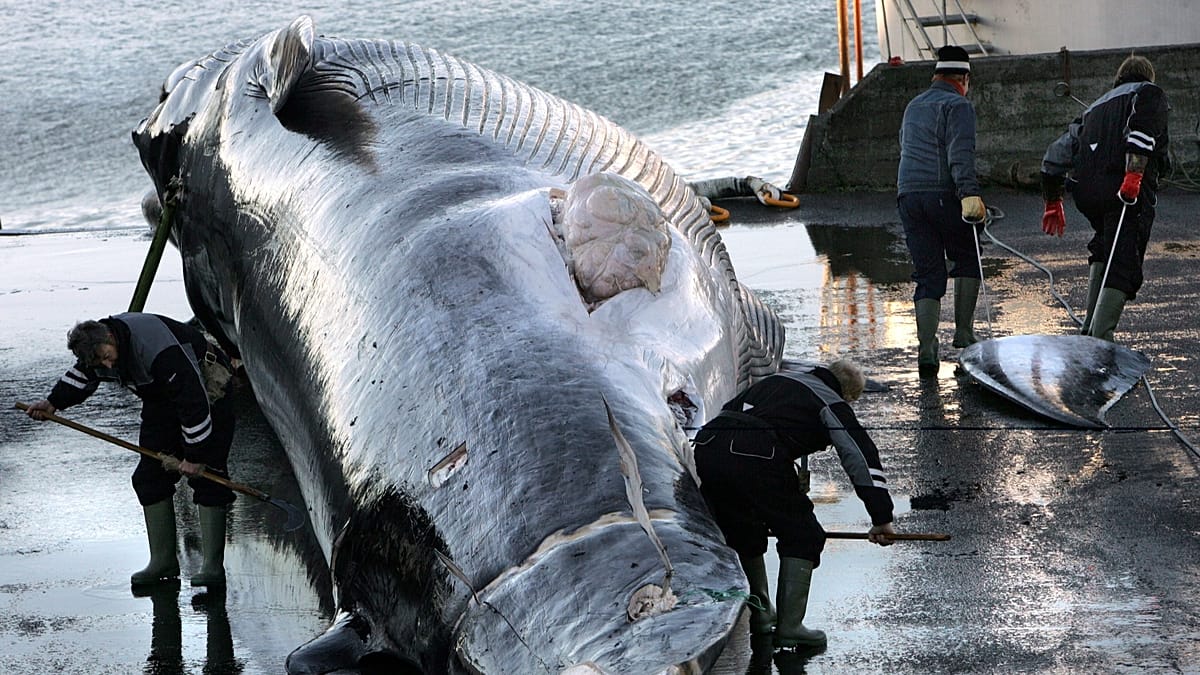
Iceland is one of only three countries that still permit commercial whaling, alongside Norway and Japan. The practice has long been a source of domestic and international controversy, with environmental groups and many European governments calling for an end to it. Iceland's own government has faced pressure from both pro-whaling and anti-whaling factions, and the issue has occasionally influenced its relations with the European Union, particularly regarding fishing and farming policies.
The incident comes as Iceland has seen a surge in tourism, with the country being named one of Europe's trending destinations for 2026. The clash between activists and whalers could cast a shadow over the country's international image, especially among environmentally conscious travelers.
Observers note that the expulsion of the activists is unlikely to end the debate over whaling. The Captain Paul Watson Foundation has vowed to continue its campaigns, and the legal status of the crew's actions may be tested in international forums. For now, the 21 activists are expected to leave Iceland in the coming days, but their re-entry ban underscores the country's firm stance against what it views as maritime interference.
This episode also highlights the broader tensions between conservation efforts and national sovereignty in European waters. While Iceland is not an EU member, its actions are closely watched in Brussels, where the European Parliament has repeatedly condemned commercial whaling. The EU's internal debates on environmental policy and migration may seem distant, but they reflect a continent grappling with how to balance tradition, law, and ecological responsibility.
As the activists prepare to leave, the Hvalur 9 and its crew are likely to resume their operations, at least for now. But the confrontation has reignited calls for Iceland to reconsider its whaling quotas, and the coming months may see increased diplomatic pressure from European capitals.