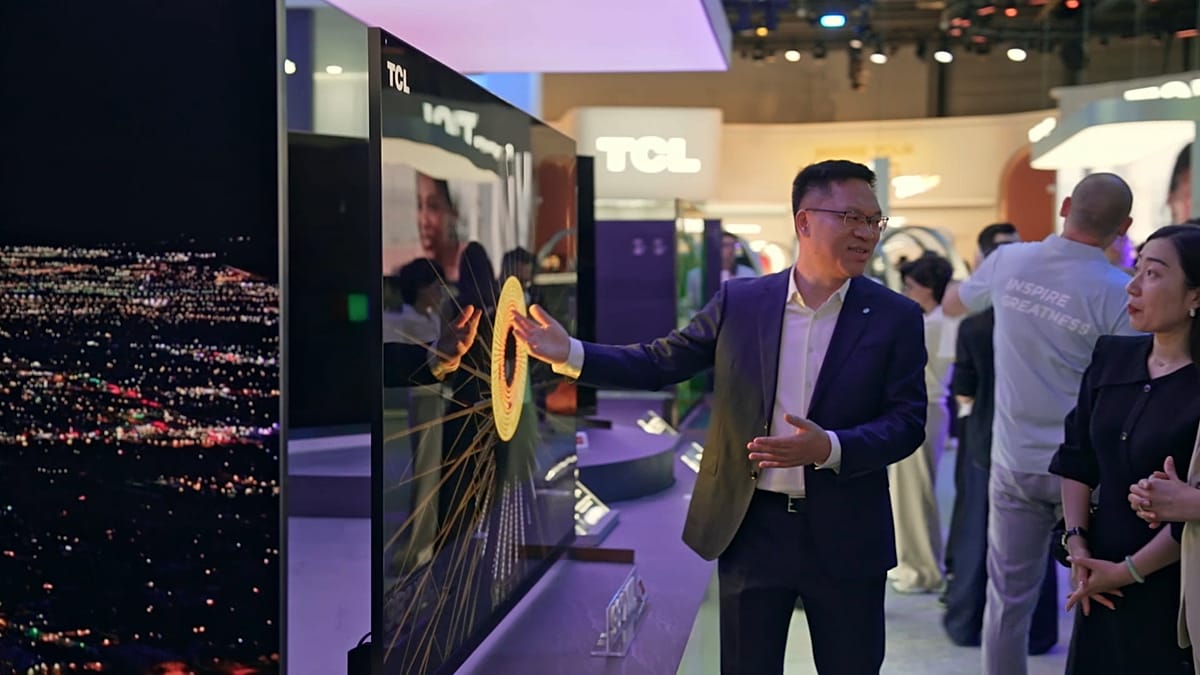
Berlin's sprawling exhibition halls once again became the epicentre of consumer technology as IFA 2026 opened its doors. Under the theme “The Future is Now,” the trade fair drew thousands of brands from across Europe and beyond, all vying to capture the attention of an increasingly discerning public. But beyond the flashy launches and prototype showcases, a clear narrative emerged: the future of everyday technology lies not in individual gadgets, but in how they cooperate.
This year's edition placed a strong emphasis on the connected home. TCL, the Chinese electronics giant with a significant European footprint, anchored its presence around the concept of “AI-inspired Life.” The company's vision goes beyond standalone smart speakers or app-controlled lighting; it imagines a domestic environment where artificial intelligence, energy management, and next-generation display technologies converge. The goal is for devices to anticipate user behaviour and respond intuitively, rather than requiring constant manual input.
“We are moving from an era of separate products to one of integrated experiences,” said a TCL spokesperson during the opening press conference. “Our aim is to make technology feel less like a tool and more like a natural extension of the home.” That sentiment was echoed across the fair, with numerous European startups and established firms alike presenting ecosystems designed to blur the lines between work, leisure, and domestic life.
Beyond the living room: health, mobility, and robotics
While smart home solutions dominated the main halls, IFA 2026 also devoted considerable space to innovations in mobility, health, and wellbeing. Wearable devices that monitor vital signs, AI-driven fitness coaches, and even smart mirrors that analyse posture were among the highlights. European companies, particularly from the Nordic countries and Germany, showcased advances in health technology that aim to shift healthcare from reactive to preventive.
One of the most eye-catching attractions was the RoboCup competition, where humanoid robots took to a miniature football pitch. The matches drew large crowds, demonstrating not only the progress in robotics and machine learning but also the playful potential of these technologies. For many visitors, it was a reminder that the future is not just about efficiency—it can also be about entertainment and human-robot interaction.
The fair also served as a platform for discussing broader societal implications. With the European Union's ongoing efforts to regulate artificial intelligence, several panel discussions addressed the ethical dimensions of ubiquitous computing. France's recent revision of its social media ban for under-15s was a recurring reference point, highlighting the delicate balance between innovation and protection.
Energy efficiency was another key theme, reflecting Europe's push toward sustainability. Several exhibitors showcased devices that not only reduce power consumption but also integrate with renewable energy sources. This aligns with the continent's broader ambitions, as outlined in initiatives like Europe's underground battery for storing wind and solar power. The message was clear: the smart home of tomorrow must also be a green home.
For the industry, IFA Berlin 2026 was a barometer of consumer sentiment. After years of pandemic-driven uncertainty, the appetite for new technology appears robust, but buyers are increasingly selective. They want devices that offer tangible benefits, not just novelty. The emphasis on interoperability and user-centric design suggests that manufacturers have heard this call.
As the fair drew to a close, the prevailing mood was one of cautious optimism. The technology on display was impressive, but its true test will come in the coming years, as these concepts move from the exhibition floor into millions of homes across Europe. If the trends at IFA 2026 are any indication, the future of everyday technology is not a single breakthrough, but a quiet revolution in how our devices work together—and for us.