From the steelworks of Ostrava to the cheese dairies of the Auvergne, a quiet shift is reshaping European travel. Industrial tourism—the practice of visiting active or former factories, mines, and workshops—is gaining traction as a way to offer tourists something beyond the usual city breaks and beach holidays. The concept is not entirely new, but its current revival reflects deeper changes in how Europeans and international visitors think about travel, heritage, and the economy.
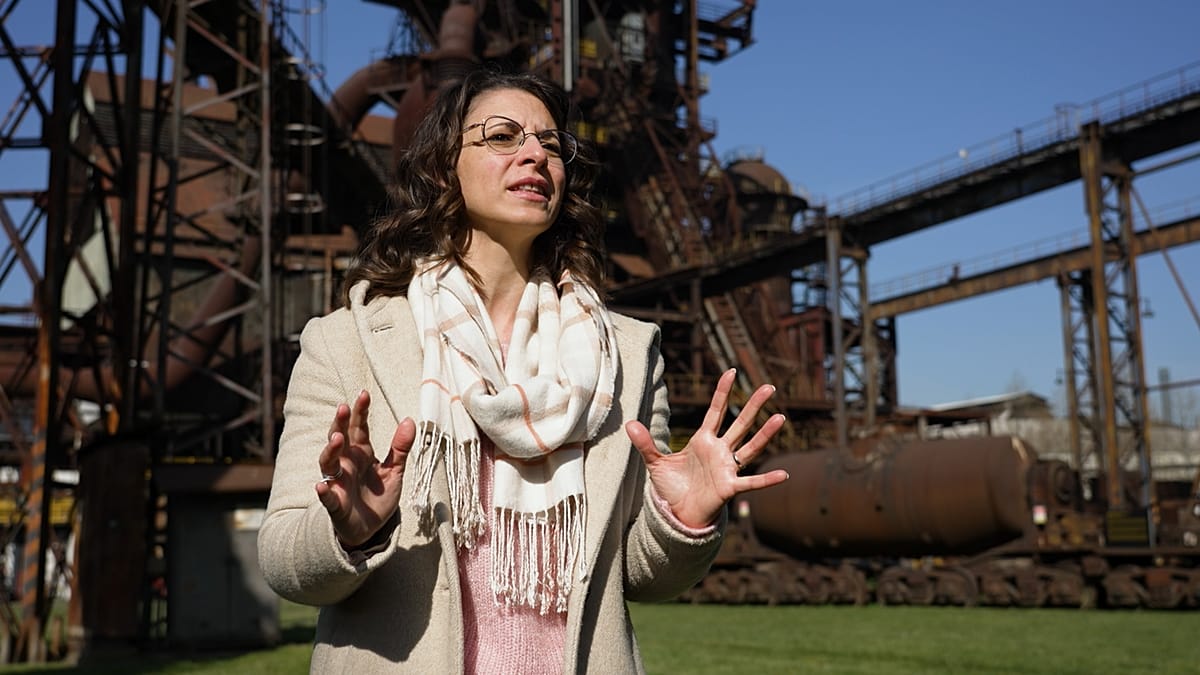
Elisabetta Schena, project manager for industrial tourism in the French region of Auvergne-Rhône-Alpes and coordinator of the European IndusTour network, explains that there is no single definition of industrial tourism, though common features exist across participating regions. “All of the regions taking part in the project have active or abandoned company visits as well as craft activities, in order to showcase a region's skills, its historical industrial heritage and its impact on the past, present and future,” she says. The goal is to turn what was once a site of production into a place of discovery.
The first wave of industrial tourism emerged in the 1970s and 1990s, a period when Europe and North America experienced widespread de-industrialisation. Abandoned factories and mines suddenly became objects of curiosity rather than symbols of decline. Today, however, the context is different. “What is particularly interesting here in Europe is that today we are witnessing a true re-industrialization, a valorisation of products ‘Made in Europe’, and industrial tourism can contribute precisely to this goal,” Schena notes.
From Rust to Riches: The Czech Example
One of the most striking examples is Dolní Vítkovice in the Czech Republic, a former ironworks complex in Ostrava that has been transformed into a cultural and educational hub. The site includes a blast furnace, a gas holder, and a coal mine, now open to visitors. Schena points out that for such sites to succeed, surrounding infrastructure is essential. “For sites like this one, it is essential to create surrounding infrastructures, hotels, and everything that can enhance visitor comfort. This is why it is so important to involve public decision-makers in our project, as they could influence regional, territorial, and local policies to effectively move things forward.”
This public-private collaboration is a defining feature of the IndusTour project, which brings together regions from across Europe to share best practices. The aim is not merely to preserve old buildings but to integrate them into a broader tourism strategy that can generate year-round revenue, especially in areas far from traditional tourist flows.
Industrial tourism also offers an answer to the growing backlash against overtourism in cities like Barcelona, Venice, and Amsterdam. As anti-tourism sentiment rises across Spain, Italy, and France, industrial sites provide an alternative that disperses visitors away from congested historic centres. They also appeal to a demographic increasingly interested in meaningful, hands-on experiences rather than passive sightseeing.
“What is important for tourists today is to have an experience. This is what will bring them back. They are looking for meaning, authenticity, and something they cannot find elsewhere. And industrial tourism perfectly meets this demand, as it allows visitors to explore atypical places and get hands-on experience,” Schena says.
The trend is not limited to large-scale sites. Small craft workshops, breweries, and artisanal producers across Europe are opening their doors to visitors, offering a glimpse into the making of everything from cheese to ceramics. In regions like Auvergne-Rhône-Alpes, this helps sustain local economies and preserve traditional skills that might otherwise disappear.
For policymakers, the challenge is to balance development with preservation. The ultimate objective, Schena concludes, is to enhance industrial heritage and “this industrial archaeology and transform it into a tourist product.” As Europe debates the future of manufacturing and sustainable growth, industrial tourism offers a tangible way to connect the past with the present—and to invite travellers to see the continent from a different angle.