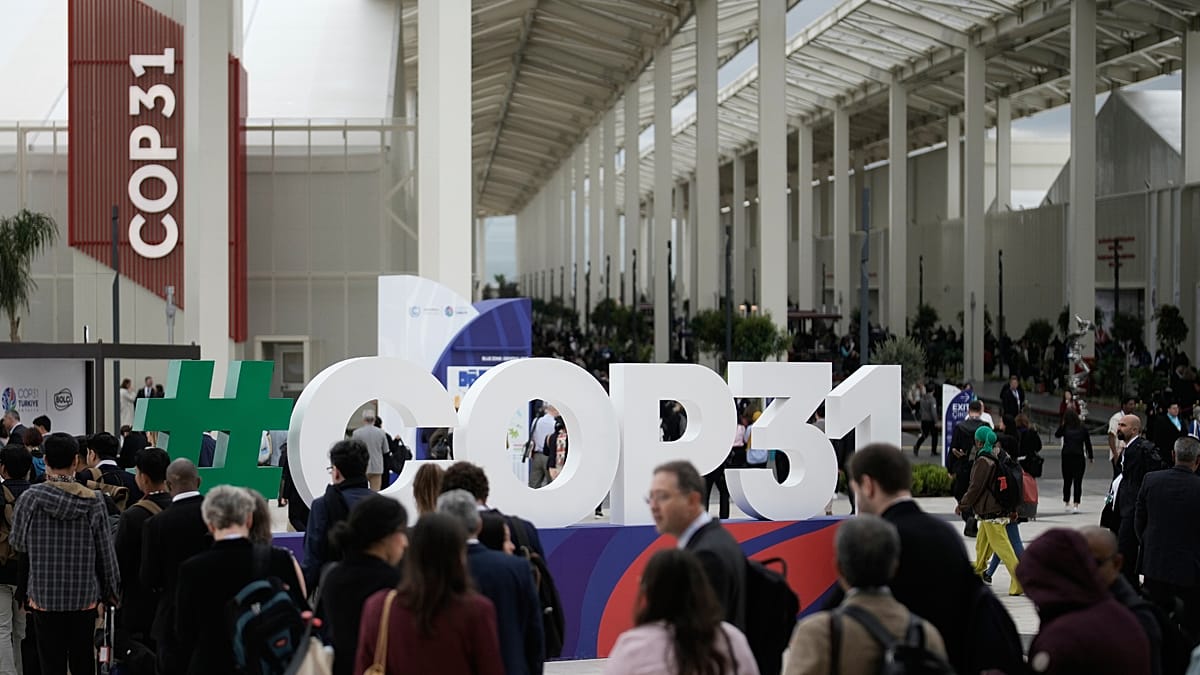
The sprawling conference halls of Antalya, Türkiye, have become a pressure cooker. With the clock ticking toward Friday's deadline, negotiators from nearly 200 countries are locked in marathon sessions, wrangling over every comma and clause of a proposed climate accord. The atmosphere, they say, is a strange cocktail of adrenaline, exhaustion, and cautious hope.
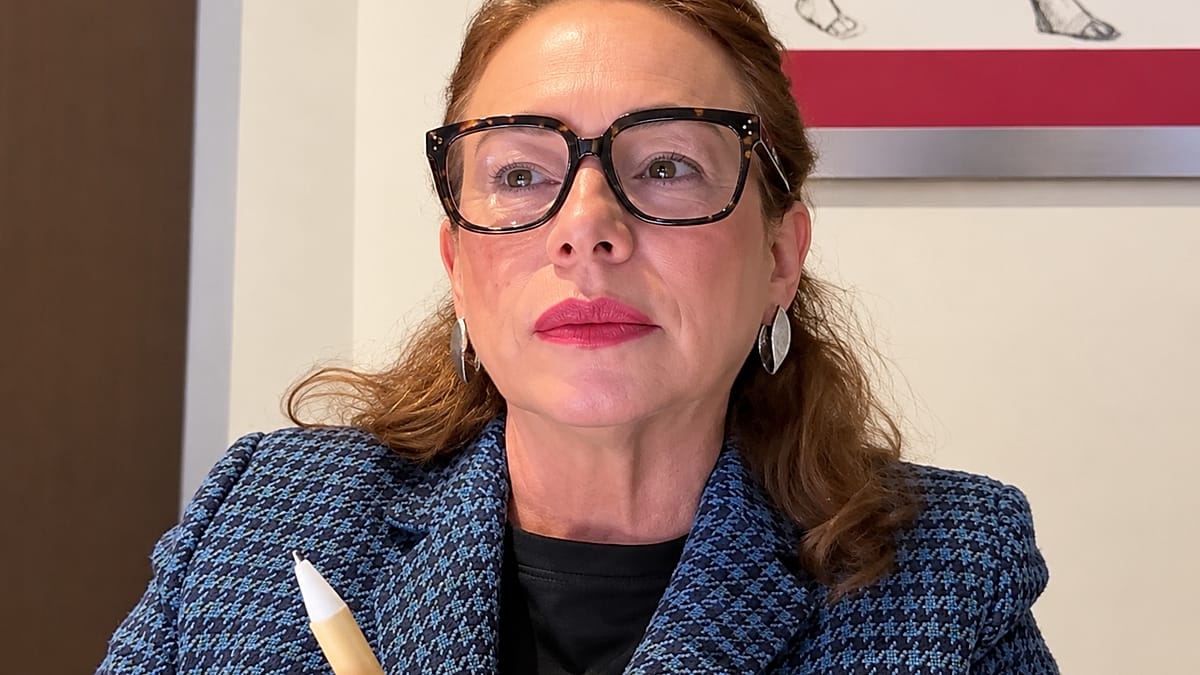
"There's a crazy rush of adrenaline because we're in a real bubble of excitement. We're constantly surrounded by people and we sleep very little, five hours a night at most," said Catherine Windey, a Belgian negotiator specializing in just transition. "At the last two COPs, I ended up getting sick due to fatigue and the air conditioning in the negotiating rooms."
The stakes are high. On Monday, co-host Australia released an 18-page draft text that lays bare the deep divisions among nations—particularly over the pace of fossil fuel phase-out. While the draft calls for accelerating the transition away from coal, oil, and gas, it also reflects the resistance of major producers like Saudi Arabia, who continue to block stronger language.
Small nations, big voices
For smaller and poorer countries—often the most vulnerable to climate impacts—the challenge is not just about policy but about being heard at all. "It's exhausting, but we are here to ensure Africa's voice is heard," said Hamda Amin, a delegate from Djibouti. Their delegations are often tiny, their resources limited, yet they must navigate a labyrinth of technical documents and diplomatic maneuvering.
In this high-stakes environment, alliances are everything. Negotiators are forging coalitions not only along traditional blocs but also across unexpected lines. "Genuine emotional bonds are formed," noted Laurence Tubiana, one of the architects of the 2015 Paris Agreement. These personal connections, built over years of shared struggle, can sometimes achieve what formal diplomacy cannot.
Technology is also playing a growing role. The German development agency GIZ has introduced an AI-powered tool called NegotiateCOP, which helps delegates sift through mountains of text, summarize complex proposals, and identify potential allies who share their positions. For non-native English speakers—and English remains the lingua franca of COP—such tools are proving indispensable.
Yet the shadow of geopolitics looms large. "Geopolitics plays a huge role in the negotiations. The atmosphere can be a bit disheartening, but there are pockets of hope," Windey said. The war in Ukraine, tensions in the Middle East, and the broader US-China rivalry all seep into the climate talks, complicating what is already a delicate balancing act.
Windey, who focuses on supporting communities through the financial challenges of the green transition, argues that the real progress often happens in informal settings. "We can speak frankly during informal talks," she said. These off-the-record conversations, away from the microphones and cameras, allow negotiators to test ideas and build trust—even when the official text remains gridlocked.
As the final hours approach, the mood is a mix of fatigue and determination. The draft text is still far from consensus, and the gap between developed and developing nations remains wide. But for those on the ground, the effort itself is a testament to the enduring belief that collective action is possible.
For Europe, the outcome matters deeply. The EU has positioned itself as a leader in climate diplomacy, and a weak deal would undermine its credibility. But as Windey's experience shows, the real work often happens in the margins—where personal bonds and quiet conversations can move mountains.