When Ariane 6 lifts off from Europe's spaceport in Kourou, French Guiana, a small team of engineers watches every second of the ascent from a bunker-like control room. Their job is not to celebrate the launch, but to be ready to end it. The Flight Safety Division holds the power to destroy the rocket mid-flight, a measure that exists for one reason: to protect lives.
The neutralisation protocol is a core part of Europe's independent access to space. It is a set of rules and technical procedures that allow ground controllers to trigger the rocket's self-destruction if it veers off course or shows a malfunction that could send debris into populated areas. The system is designed to be fail-safe, meaning that if communication with the rocket is lost, it will automatically neutralise itself.
A split-second decision
For the engineers at the Jupiter control centre in Kourou, the decision to destroy a rocket is never taken lightly. It is the last resort after a chain of checks and alarms. The team tracks Ariane 6's trajectory, speed, and health in real time, comparing them against pre-calculated safety corridors. If the rocket strays outside these corridors, the neutralisation order is sent.
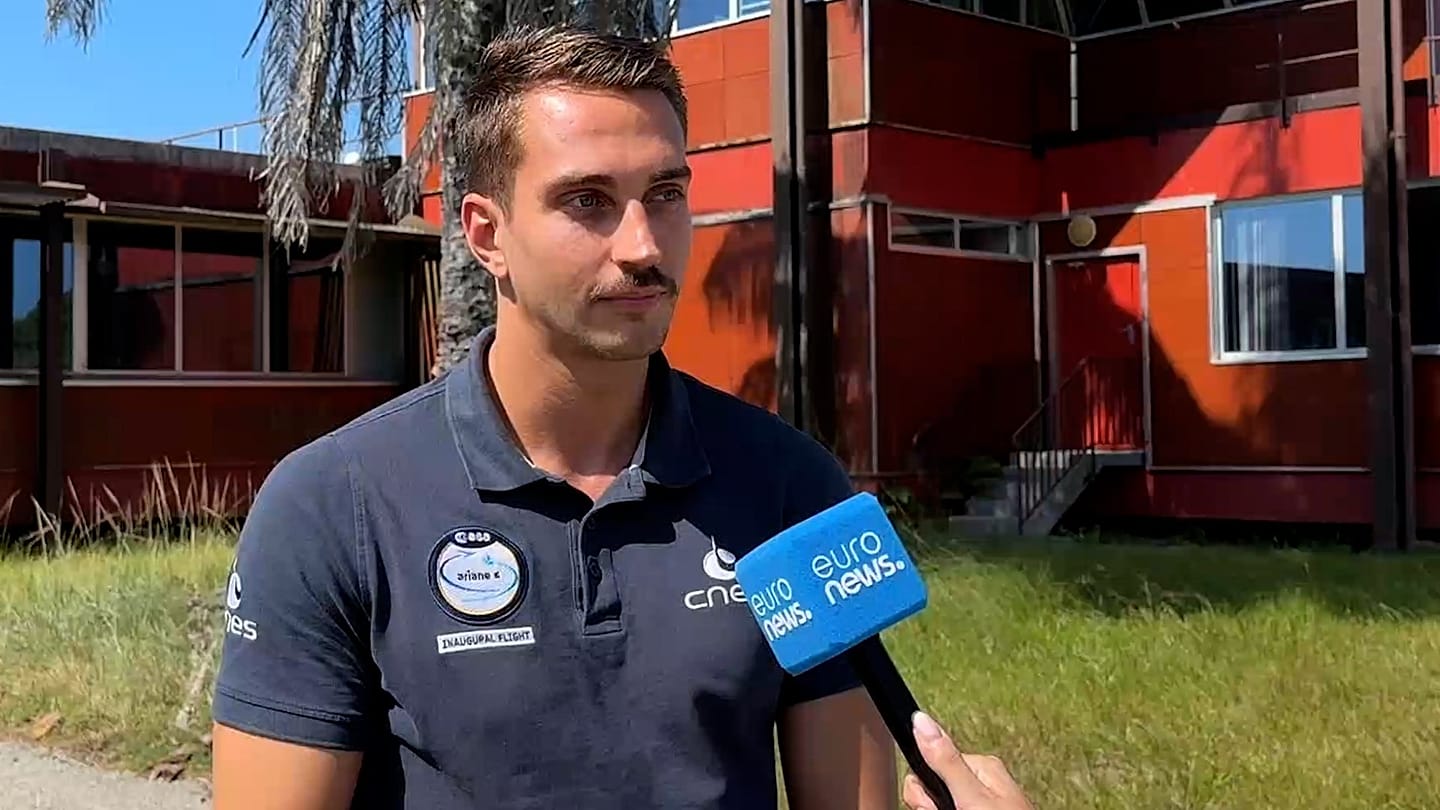
"We are the last line of defence," says Marie Lefèvre, a flight safety engineer at the French space agency CNES, which operates the system for the European Space Agency (ESA). "Our goal is not to destroy rockets, but to ensure that no one on the ground is ever put at risk. We train for years to make the right call in a fraction of a second."
The protocol is not unique to Ariane 6. Similar systems are used on other launch vehicles around the world, including SpaceX's Falcon 9 and NASA's SLS. But for Europe, the stakes are particularly high. Ariane 6 is the continent's flagship launcher, designed to provide independent access to space for European institutions and commercial customers. A failure that caused casualties would not only be a human tragedy, but would also set back Europe's space ambitions for years.
The neutralisation system works by sending a command to the rocket's onboard computers, which then ignite explosive charges along the interstage structures. These charges sever the rocket into pieces, causing it to break apart and fall into the ocean or uninhabited areas. The debris is designed to burn up on re-entry, minimising the risk of damage on the ground.
In the event of a launch failure, the flight safety team has a matter of seconds to act. The decision is based on a set of pre-defined criteria, such as the rocket's position, velocity, and the status of its engines. The team also monitors the weather, as high-altitude winds can push the rocket off course.
"We have a very clear procedure," explains Lefèvre. "If the rocket deviates from its planned trajectory by more than a certain margin, we send the neutralisation command. There is no room for interpretation. The system is designed to be binary: either the rocket is safe, or it is not."
The protocol was put to the test during Ariane 6's inaugural flight in July 2024, when the rocket's upper stage experienced an anomaly that prevented it from completing its final deorbit burn. The flight safety team did not need to activate the neutralisation system, as the rocket remained within its safety corridor, but the incident highlighted the importance of having robust safety measures in place.
Since then, Ariane 6 has completed several successful missions, including the launch of the MTG-I2 weather satellite, which completed Europe's new weather satellite trio. The launcher is also set to carry the Roman Space Telescope, a NASA mission that will map the universe and test cosmic models. These missions rely on the same safety systems that protect every launch.
The neutralisation protocol is not just about technology; it is also about people. The flight safety team at Kourou is made up of engineers from across Europe, including France, Germany, and Italy. They work in shifts, monitoring every launch from the moment the rocket leaves the pad until it reaches orbit. Their work is often invisible, but it is essential to the success of Europe's space programme.
"We are the unsung heroes of the space industry," says Lefèvre with a smile. "People see the rocket launch and think it's beautiful. They don't think about the people who are ready to blow it up if something goes wrong. But that's our job, and we take it very seriously."
As Europe continues to expand its presence in space, with plans for more launches and even a crewed mission in the future, the flight safety system will remain a critical component. It is a reminder that space exploration is not just about reaching for the stars, but also about ensuring that we do so safely.