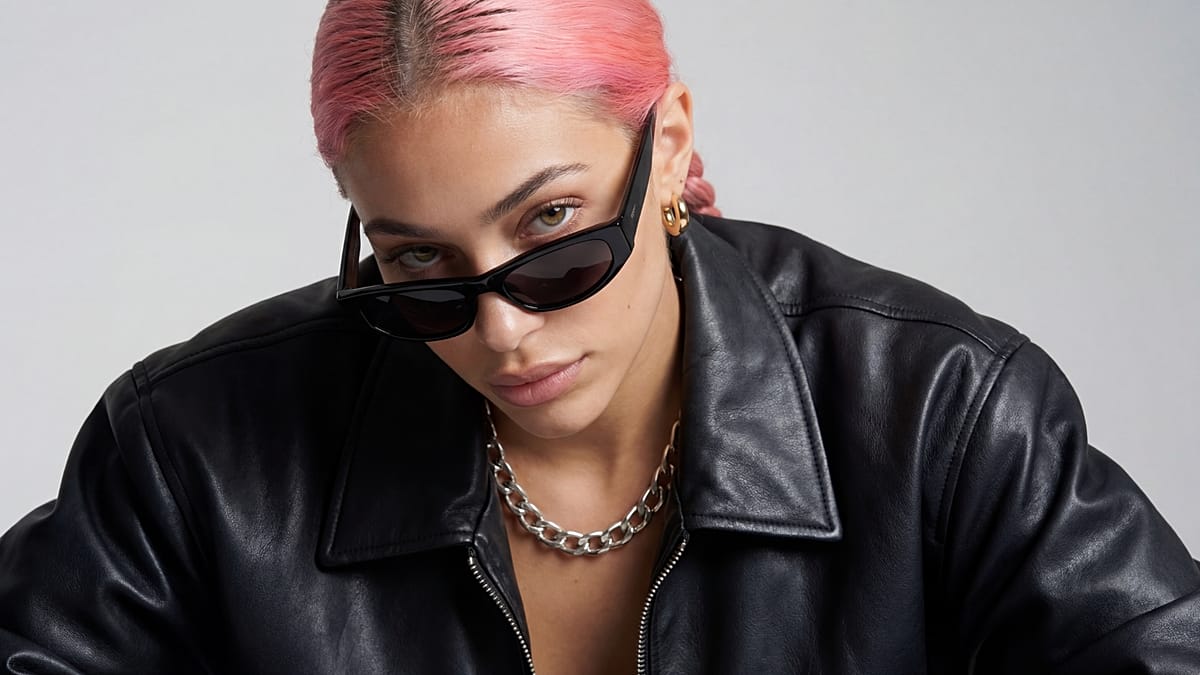
Thousands of AI-generated personalities are vying for top honors in what organizers call the largest competition of its kind. The AI Personality of the Year Awards, co-organized by AI creation platform OpenArt and subscription platform Fanvue, invited creators to build, post, and grow virtual characters across categories including entertainment, lifestyle, comedy, fitness, and anime, cartoon, or fantasy personas.
Running over several weeks, entrants had to publish at least four posts during the challenge period. Winners are expected to be announced this month, according to OpenArt. Chloe Fang, OpenArt’s head of partnerships, told Euronews Next that the response was remarkable: around 3,300 submissions. The awards offer more than $90,000 (about €76,000) in prizes and gifts.
Organizers describe the event as the largest dedicated to AI personalities, a field they say is becoming increasingly mainstream. Over the past 18 months, AI-generated characters have embedded themselves into popular culture, building loyal fanbases and securing major brand deals.
Blurring Reality and Fiction
Among the most-followed entrants is Jae Young Joon, an AI-generated Korean male model persona with over 400,000 followers on Instagram and TikTok. His profile clearly states he is AI-generated, yet fans still send heartfelt messages and love letters. The account is run by Luc Thierry, a Canadian creator. His takeaway, organizers said, is that audiences may care less about whether a persona is real than whether the emotional connection feels real.
That blurring of reality and fiction is what makes AI personalities ethically complicated. Generative AI has already sparked concerns about job security, copyright, and deepfake pornography. In January, Elon Musk's xAI chatbot Grok faced scrutiny over users repeatedly generating sexually explicit images of women and minors, prompting X to restrict some of its image-generation features.
Critics argue that AI image generation risks pushing unrealistic body images further. The “perfect” influencer no longer needs lighting, genetics, cosmetic procedures, filters, or even a physical body. A 2026 study by the University of Toronto found that AI image generators disproportionately created young, white, and, in the case of women, thin people with symmetrical features and blemish-free skin.
This criticism is not new for Fanvue. Last year, the platform co-organized what it described as the world's first AI beauty pageant, Miss AI, which attracted criticism over whether synthetic contestants could reinforce narrow standards of attractiveness rather than diversify them.
However, Fang said the awards are not judged primarily on appearance but on quality, inspiration, brand appeal, and fan engagement. She noted that early AI influencers were often associated with “pretty ladies on Instagram,” but submissions now include music-related personas, entertainment characters, fantasy figures, male AI personalities, and creators building around LGBTQ+ and cultural representation.
OpenArt and Fanvue have put guardrails in place. OpenArt uses tools to identify potential copyright risks and harmful content, and submissions are reviewed by humans. “Our guidelines prohibit hate speech, harassment, and sexually explicit content,” Fang said.
Participants came from diverse backgrounds. According to OpenArt, 37% of creators came from Europe and the UK, around 30% from North America, 18% from Asia, 5% from Latin America, 4% from Africa, and 4% from the Middle East. This geographic spread reflects a broad range of perspectives entering the space.
As virtual influencers become more prevalent, the debate over their impact on beauty standards, authenticity, and emotional connection continues. For now, the AI Personality of the Year Awards offers a glimpse into a future where digital personas may compete alongside human creators for attention and influence.