A coalition of 45 major European investors, collectively managing €11.4 trillion in assets, has sent a clear message to European Union leaders: the bloc's carbon market must remain robust and predictable if private capital is to finance industrial decarbonisation. In a letter delivered ahead of the EU Council meetings on 18 and 19 June, the investors warned against any move to weaken the Emissions Trading System (ETS), which they describe as the cornerstone of Europe's clean industrial strategy.
The letter comes as EU leaders prepare to discuss the future of the ETS, with a legislative review scheduled for 15 July. The European Commission has already outlined a four-year plan to reduce the EU's reliance on fossil fuels, focusing on revamping electricity grids, increasing storage capacity, and accelerating clean power deployment. The effort is estimated to cost roughly €660 billion annually, rising to €695 billion between 2031 and 2040.
Investors Reject Calls to Dismantle the ETS
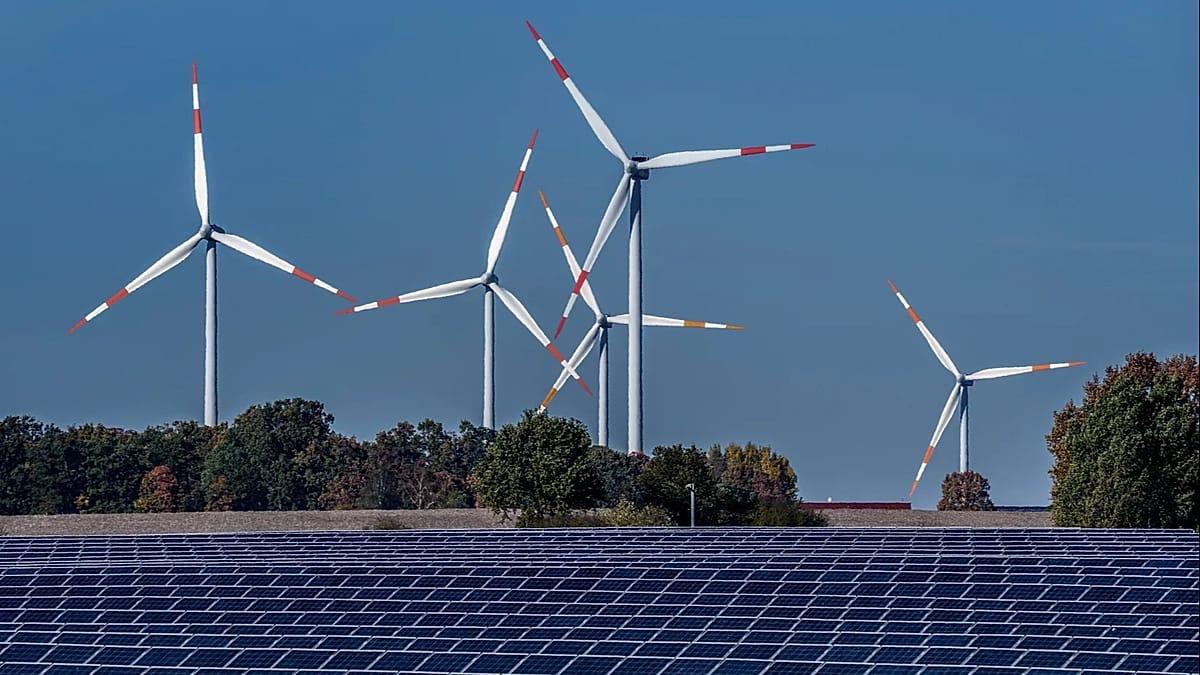
Italy, Germany, and several other EU countries, backed by intense lobbying from heavy industry, have been pushing for the ETS to be dismantled or significantly weakened. The investors, however, argue that such a move would be counterproductive. "Since 2005, emissions from electricity generation and industry covered by the ETS have fallen by about 50%, and the system is on track for a 62% cut by 2030," the letter states. "Most of the reductions so far have come from the power sector, where coal use has declined while wind and solar generation continue to grow."
Among the signatories are Allianz SE, L&G Asset Management, the Church of England Pension Board, Erste Asset Management, Sampension, and Nordea Asset Management. The statement is also endorsed by the Net-Zero Asset Owner Alliance.
The investors acknowledge that heavy industries face greater decarbonisation burdens due to long asset lifetimes, high capital requirements, and technological constraints. However, they argue that the solution lies in targeted support measures alongside the ETS, rather than weakening the carbon market itself. "Weakening the ETS would undermine investor confidence while doing little to solve these deeper problems," the letter warns.
Structural Challenges, Not Carbon Pricing
The letter also rejects the notion that Europe's industrial competitiveness problems can be solved by softening carbon pricing. Instead, the investors argue that the continent's real challenges stem from structural issues such as high electricity prices, grid constraints, and limited access to affordable clean energy. They point to the need for complementary industrial policies, including investments in grids, electrification, and clean tech financing.
Walter Hatak, head of responsible investments at the Austrian Erste Asset Management, emphasised the importance of predictability for institutional investors. "We depend on predictable and durable business strategies to allocate capital with confidence," he said. The ETS, he argued, is not a regulatory burden but an economic signal that guides trillions of euros in investment decisions.
The investors' stance reflects a broader shift in European climate policy from setting targets toward managing industrial transformation. As the EU grapples with the challenge of decarbonising its economy while maintaining competitiveness, the debate over the ETS is likely to intensify. For now, the message from the investment community is clear: evolve the carbon market, but do not dilute it.
For more on the intersection of carbon markets and European industry, see our analysis of European Aviation Warns EU Carbon Market Expansion Could Trigger Trade War. The broader economic context, including the impact of geopolitical disruptions, is explored in Eurozone GDP Shrinks 0.2% in Q1 2026 as Iran War Disrupts Energy Markets.