Iran's Islamic Revolutionary Guard Corps (IRGC) announced on Thursday that it had launched a retaliatory strike against a US airbase, following American defensive operations near the southern city of Bandar Abbas. The semi-official Tasnim News Agency reported the IRGC's statement, which described the attack as a response to what it called "pre-dawn aggression" by American forces using aerial projectiles near Bandar Abbas Airport.
The IRGC said its strike occurred at 4:50 a.m. local time, targeting what it described as "the origin of the aggression." The Guards did not specify which base was hit, but the statement warned Washington that this was a "serious warning" and that any further US aggression would be met with a "more decisive" response.
Kuwait's military separately reported that it was responding to "hostile missile and drone attacks," though it remains unclear whether this incident is directly linked to Iran's claimed strike. The ambiguity underscores the volatility of the region, where multiple actors operate in close proximity.
Broader Context and European Stakes
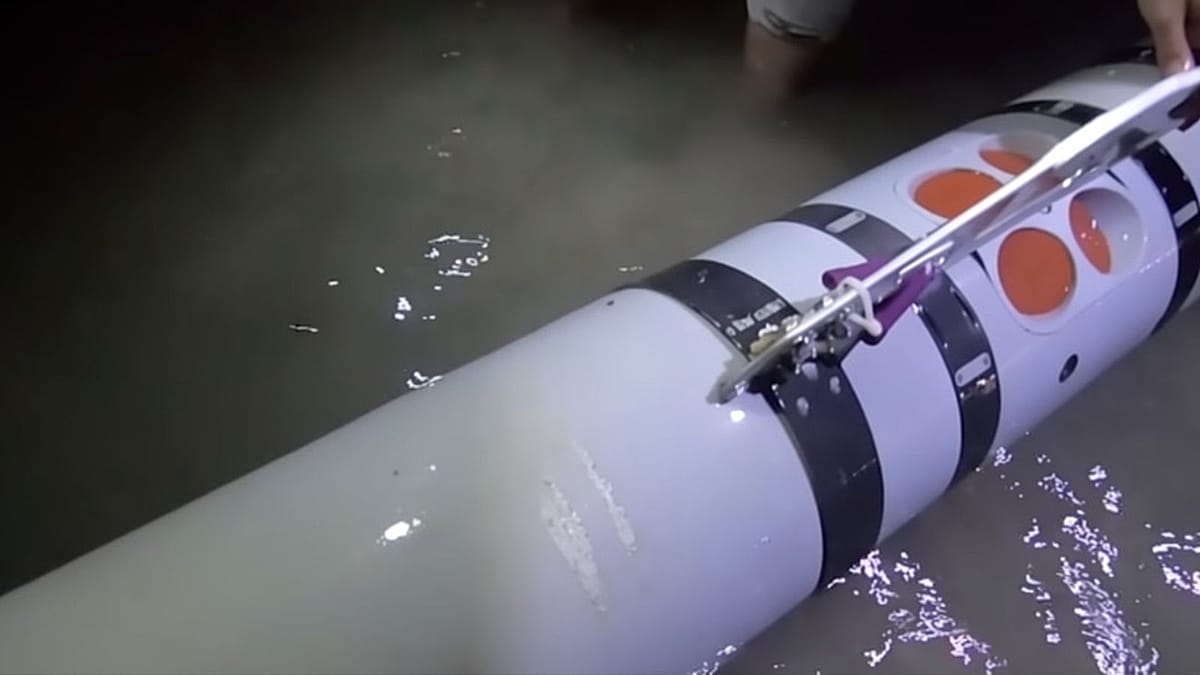
The exchange comes after the United States confirmed it had carried out a series of "defensive strikes" against Iranian assets, shooting down four one-way attack drones in the Strait of Hormuz and destroying a ground control station in Bandar Abbas. The Strait of Hormuz is a chokepoint for global oil shipments, and any disruption there directly affects European energy markets. US Strikes Iranian Drones in Second Attack Amid Fragile Ceasefire Talks highlights the pattern of escalation that European capitals are watching closely.
European Union foreign policy officials have repeatedly called for de-escalation in the Gulf, given the region's importance for energy security and maritime trade. The bloc's dependence on oil and liquefied natural gas from the Middle East makes any military confrontation a matter of strategic concern for Brussels, Berlin, and Paris. IRGC Threatens to Turn Iran's Gulf Coast into 'Graveyard' if US Resumes Strikes illustrates the rhetoric that keeps European diplomats on edge.
The timing of this incident is particularly delicate, as the United States has been engaged in indirect talks with Iran over its nuclear program, mediated by Oman and Qatar. European powers, including France, Germany, and the United Kingdom, have been key players in the Joint Comprehensive Plan of Action (JCPOA) negotiations, and any military flare-up could derail diplomatic progress.
Meanwhile, the situation in Ukraine remains a parallel crisis for European security. Russian Overnight Strikes on Kyiv Kill One, Injure Over Twenty underscores the continent's need to manage multiple security challenges simultaneously. The US military presence in the Gulf is part of a broader global posture that also includes support for NATO's eastern flank.
Analysts in European think tanks have noted that Iran's use of drones and missiles mirrors tactics seen in other conflicts, including the war in Ukraine. The proliferation of such technology raises concerns for European defense planners, who are already grappling with the need to bolster air defense systems across the continent.
As of now, there has been no official confirmation from the United States regarding damage or casualties from the alleged IRGC strike. The Pentagon typically refrains from commenting on operational details, but any escalation could prompt an emergency session of the UN Security Council, where European members hold significant influence.
For European readers, the key takeaway is that the Gulf's instability has direct repercussions for energy prices, maritime insurance rates, and the broader geopolitical climate that shapes EU foreign policy. The coming days will test whether diplomatic channels can contain the fallout or whether the region slides into a wider confrontation.