The ongoing conflict with Iran is reshaping travel patterns for German holidaymakers, with many opting for domestic destinations over riskier international trips. Thousands of travellers were stranded in Dubai as air strikes disrupted flights, and the blockade of the Strait of Hormuz has driven up jet fuel costs, making long-haul travel more expensive. In March, Iranian missiles landed near a cruise ship off Abu Dhabi, underscoring the dangers in the region.
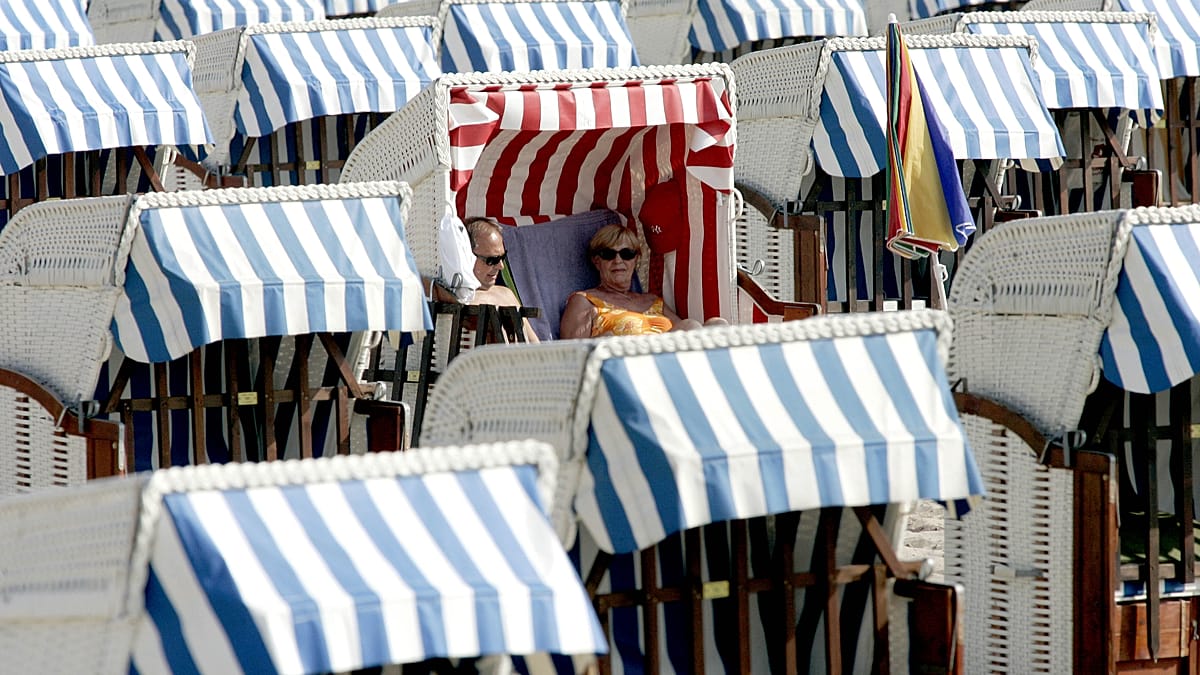
Christoph Ploß, the federal government's tourism commissioner and a CDU politician, sees a silver lining for German tourism. "As severe as the impact of the crisis in the Middle East is for many sectors, it also opens up opportunities for tourism in Germany," he told the Funke media group. Ploß expects a particular increase in bookings and "even stronger demand than in previous years" at beaches along the North Sea and Baltic Sea.
Changing Travel Plans
A representative survey by expense-management provider SAP Concur, published over the Whitsun weekend, found that nearly 20% of respondents had cancelled or rebooked a flight, or had their flight cancelled by the airline, due to the consequences of the war with Iran. This shift is driving interest in domestic alternatives, from the sandy shores of Kniepsand—Europe's largest beach on the North Sea coast—to the quieter Baltic resorts.
Ploß highlighted federal initiatives to promote domestic tourism, including flexible working hours and investments in motorway and rail networks. The government views the sector as a key economic pillar, especially as energy market strains from the Iran conflict ripple through the broader economy. German business sentiment has unexpectedly risen despite these pressures, as reported in German Business Sentiment Unexpectedly Rises Despite Energy Market Strains from Iran Conflict.
The tourism industry in Germany already set a new record in 2025, with 497.5 million overnight stays—a 0.3% increase from the previous record year of 2024, according to the Federal Statistical Office. In December alone, accommodation providers recorded 32 million overnight stays, 3.6% more than the same month a year earlier, marking the highest December figure ever.
While the conflict has disrupted air travel and pushed oil prices above $100 per barrel, as noted in European Markets Rise as US-Iran Talks Offer Hope, Oil Stays Above $100, it has also made domestic holidays more attractive. Airlines like EasyJet have seen losses widen due to fuel costs, as covered in EasyJet Losses Widen as Iran Conflict Drives Fuel Costs and Weakens Summer Bookings.
For German holidaymakers, the choice is increasingly clear: stay closer to home, enjoy reliable rail connections under the EU's single-ticket plan, and avoid the uncertainties of Middle Eastern travel. The North Sea and Baltic coasts stand to benefit, offering a safe and familiar escape from global turmoil.