Kazakhstan, the largest country in Central Asia, is often reduced to images of endless steppe. Yet the Zhetysu region, in the southeast near the Chinese border, presents a far more varied landscape—one that blends deserts, alpine lakes, waterfalls, and archaeological treasures within a single itinerary. For European travellers seeking alternatives to overcrowded Mediterranean coasts or Alpine trails, Zhetysu offers a compelling, less-trodden path.
Zhetysu's diversity stems from its geography. Straddling the ancient Silk Road, it has long been a corridor between East and West. Today, that legacy is visible in sites like the Zharkent wooden mosque, built in 1886 without a single nail, its architecture fusing Chinese temple forms with Islamic function. The mosque now operates as a museum, open daily from 9:00 to 16:30.
Natural Wonders of the Dzungarian Alatau
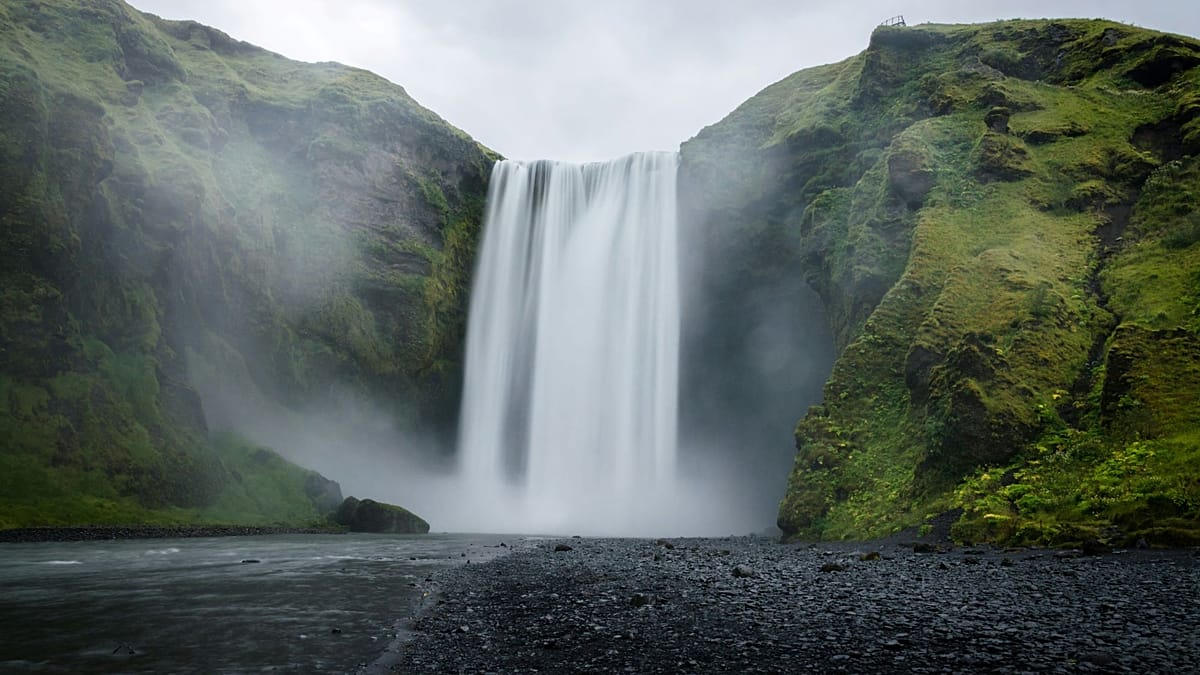
The Dzungarian Alatau mountain range, running along the border with China, remains one of Kazakhstan's most underrated hiking destinations. Here, Lake Zhasylkol—whose name means 'green lake' in Kazakh—sits surrounded by forests and peaks, popular for camping and photography. Deeper in the range, Burkhan Bulak waterfall plunges 168 metres down rocky cliffs, making it the tallest in the country.
Every spring, nearby villages host the Sievers Apple Blossom Festival, celebrating the wild Sievers apple, which genetic studies identify as the ancestor of the modern apple. Visitors can walk through blooming orchards, sample local food, and listen to traditional music. The Dzungarian Gate, a 50-kilometre natural corridor, served as a strategic route for Genghis Khan's armies in the 13th century—a reminder of the region's deep historical layers.
Altyn-Emel National Park and the Singing Dune
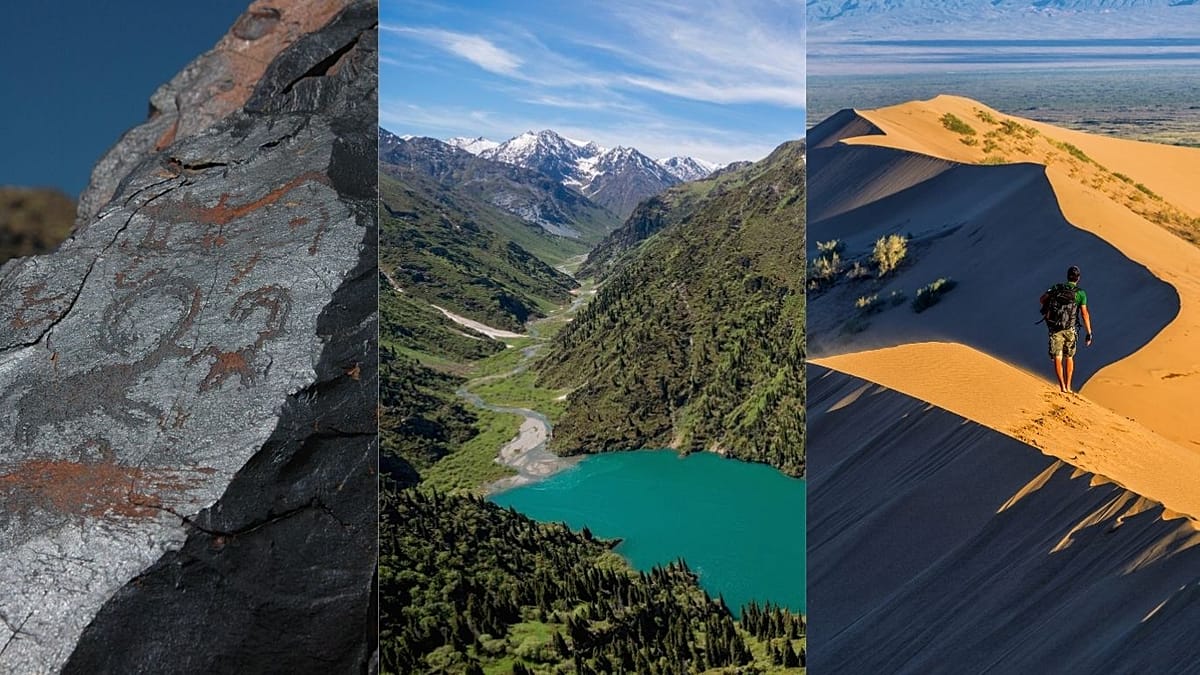
Between Taldykorgan and Almaty lies Altyn-Emel National Park, best known for its 'Singing Dune'. The phenomenon occurs when sand grains rub together as they slide down the slope, producing a sound that some compare to the qobyz, a traditional Kazakh instrument, others to a flute or the hum of an aircraft. To hear it, visitors must climb to the top and walk back down.
Nearby, the Aktau Chalk Mountains reveal layers of white, yellow, pink, and crimson—formed around 400 million years ago when this area lay beneath an ancient ocean. Daily tours from Almaty or Taldykorgan cover both sites.
Lakes Alakol and Balkhash: Contrasts in Water
Lake Alakol has long been a destination for its mineral-rich waters and therapeutic mud. During the Soviet era, cosmonauts recuperated here after space missions; in 1989, children affected by the Chernobyl nuclear disaster came for rehabilitation. Today, a range of hotels and guesthouses lines the shore, accessible by seasonal flights from Astana and Almaty or by road from Taldykorgan.
Lake Balkhash presents a rarer phenomenon: one half is fresh water, the other saline. Stretching over 600 kilometres, it is a favourite summer spot for fishing, boat trips, and beach outings. Its unusual hydrology continues to intrigue scientists.
For European readers, the region's growing connectivity is noteworthy. Euronews recently launched a Kazakh-language service in Astana, reflecting deepening media ties between Europe and Central Asia. Meanwhile, as southern and central-eastern Europe face extreme heatwaves, destinations like Zhetysu offer a temperate alternative during summer months.
The Khorgos Gateway, a dry port on the Chinese border, now functions as a modern Silk Road hub, handling growing volumes of rail freight between China and Europe. Travellers can combine a visit to Zhetysu with a stop at this logistical marvel, witnessing firsthand how ancient trade routes are being reinvented.
Zhetysu remains off the mainstream tourist radar, but its mix of natural beauty, historical depth, and emerging infrastructure makes it a destination worth watching—and visiting.