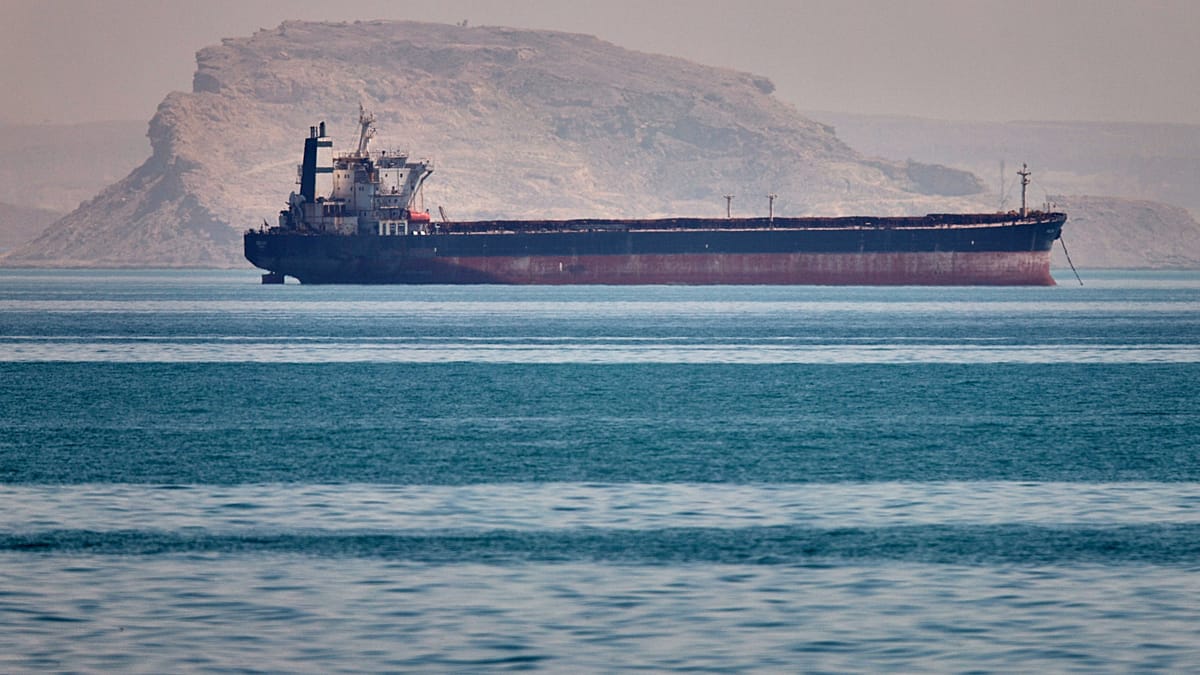
The war in Iran has upended the conventional wisdom that gold is the ultimate hedge against geopolitical turmoil and inflation. Since 27 February, the day before Operation Epic Fury commenced, Brent crude has surged 37%, while gold has fallen 10%. The two assets, traditionally paired for protection, are now moving in opposite directions.
Oil's Rally: A Supply Shock Story
Oil's gains are straightforward. According to Goldman Sachs, approximately 14.5 million barrels per day of Persian Gulf crude production has been taken offline, pushing global inventories into a record drawdown of 11 to 12 million barrels per day in April. When supply collapses, prices rise until demand adjusts. Brent has climbed from $70 to around $100 a barrel, after peaking at $126. This dynamic has directly benefited European energy companies; for instance, Shell Profits Double as Iran Conflict Drives Oil Prices Above $100.
Gold's Paradox: Why the Safe Haven Failed
Gold's behaviour is more complex. The precious metal surged 65% in 2025, driven by central bank buying and expectations of Federal Reserve rate cuts. Yet it has lost roughly a tenth of its value just as the conflict it was meant to hedge against erupted. The explanation lies in interest rates. Gold pays no coupon, no dividend, no interest. Its investment value is driven by the opportunity cost of holding it, which is set by real interest rates in the United States.
When yields rise, an investor giving up a 4% Treasury return to hold a non-yielding asset loses ground daily. When yields fall, gold becomes attractive because fixed income pays less. The Iran war has destroyed the tailwind gold enjoyed in 2025. The CME FedWatch tool now shows zero rate cuts for the entire year as the dominant scenario, and market-implied odds of a Fed hike now exceed those of a cut a year out. Gold has repriced these expectations in real time, falling from $5,275 per ounce on 27 February to $4,735.
"With the conflict triggering an energy supply shock that has reduced hopes for lower US interest rates, it is not surprising that gold has struggled to work as a safe haven this time," said Amy Gower, Metals & Mining Commodity Strategist at Morgan Stanley.
Gower argued that gold's sensitivity to monetary policy has overtaken its safe-haven status as the dominant price driver. The metal does not respond to events, she noted—it responds to the policy reaction that follows them. Higher-for-longer interest rates raise the opportunity cost of holding gold.
Gold's Real Haven Function: A Credibility Hedge
Gold does not hedge inflation per se; it hedges against the failure of the institution charged with controlling inflation. When prices rise from low or moderate levels—say, US headline CPI moving from 2% to 3.3%—markets do not see runaway risk. They see a central bank with the tools and credibility to keep policy restrictive. That expectation pushes real yields up and compresses demand for non-yielding assets. The 2026 episode fits this pattern.
Gold's real moment arrives when confidence breaks: when inflation becomes unanchored, when the central bank is seen as unwilling or unable to stop it, and when investors question whether the currency itself will preserve purchasing power. The 1970s under Arthur Burns, the early eurozone debt crisis, and the 2020 pandemic were credibility shocks, not inflation shocks. Gold rallied in each case because the alternative being repudiated was the currency. The Iran war has not produced a credibility shock; it has produced a supply shock that the Fed is expected to absorb by holding policy restrictive. That distinction explains why bullion is down 10%.
Outlook: Goldman Bullish on Gold, Cautious on Hormuz
Goldman Sachs' commodity team, led by Daan Struyven, continues to forecast gold reaching $5,400 per ounce by the end of 2026, anchored by continued central bank buying and expectations that the Fed will eventually cut rates. Around 70% of central banks surveyed at Goldman's recent conference expect global gold reserves to rise over the next 12 months. However, near-term risks point to weaker gold prices if disruption in the Strait of Hormuz persists. The bank has upgraded its fourth-quarter 2026 Brent forecast to $90 a barrel, from $80, and warns that an adverse scenario could push prices above $100 if flows through the Strait do not normalise by the end of July. This uncertainty has already weighed on European markets, as European Shares Dip as Oil Prices Stay Elevated on Iran Strait Tensions.
For investors seeking inflation hedges, the message is clear: oil benefits directly from supply disruptions, while gold's performance hinges on central bank credibility and interest rate expectations. The Iran conflict has rewritten the playbook, and the divergence between these two assets is likely to persist as long as the war and its economic aftershocks continue.