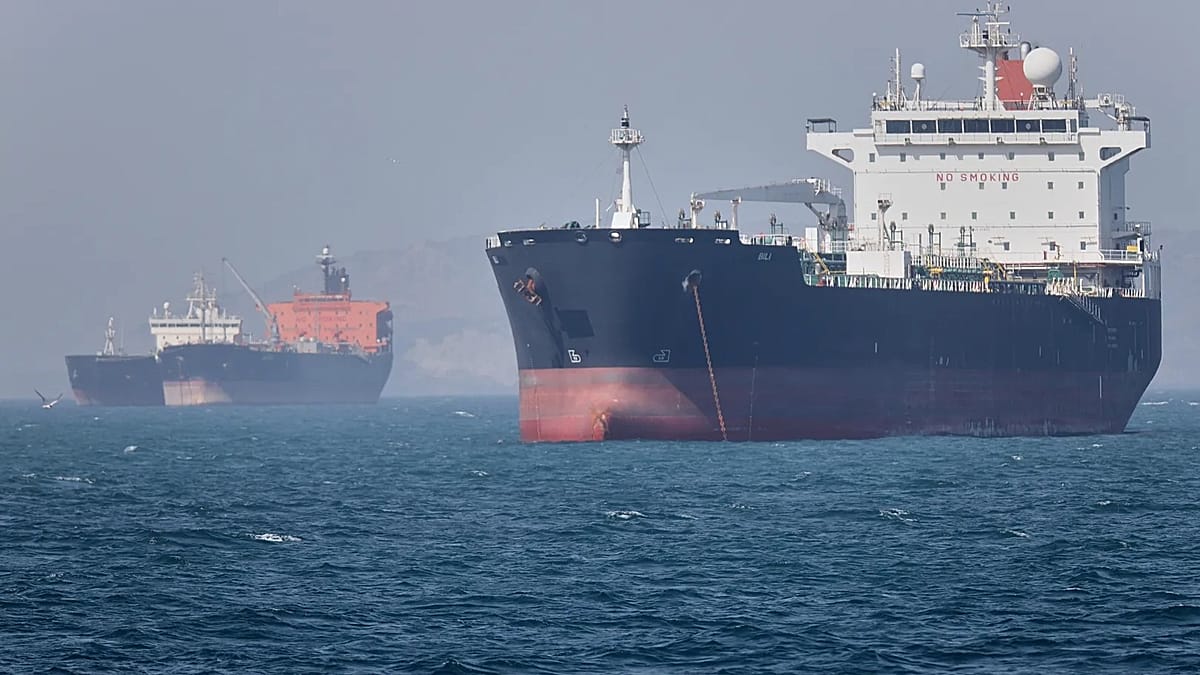
A Malta-flagged tanker, the Odessa, completed a voyage from the Strait of Hormuz to South Korea on Friday, delivering one million barrels of crude oil to the port city of Seosan. The cargo, destined for processing at one of the country's largest refineries, highlights the persistent reliance of East Asian economies on the volatile shipping lanes of the Persian Gulf.
HD Hyundai Oilbank, the South Korean petroleum and refinery company that chartered the vessel, confirmed the arrival. The company processes up to 690,000 barrels of oil daily, converting crude into diesel, gasoline, and naphtha. This single shipment represents between 35% and 50% of South Korea's daily crude consumption, underscoring the strategic importance of each successful transit through the region.
The delivery comes as Seoul enforces strict price caps to protect its industrial sector from the economic fallout of the ongoing Iran war. The conflict has disrupted global oil markets, with the Strait of Hormuz—a chokepoint for about a fifth of the world's petroleum—remaining a flashpoint.
Escalation in the Strait of Hormuz
On Thursday, three US destroyers were targeted by missiles and small craft in the Strait of Hormuz, though they avoided damage. Washington responded by striking Iranian military infrastructure, including launch sites and command hubs. US President Donald Trump described Iranian authorities as "lunatic" and warned of a significantly more severe response if a formal agreement is not reached immediately.
Tehran characterized the skirmishes as a justified "exchange of fire" following alleged American aggression against vessels in the area, claiming to have caused notable damage to US hardware. These hostilities erupted while Iranian officials were reportedly considering a US-led proposal to de-escalate and secure the strait.
The reopening of the Strait of Hormuz remains a key factor in global market stability, with hopes of a resolution briefly lifting stock markets even as oil prices stay above $100 per barrel. However, the latest clashes underscore the fragility of any potential deal.
European interests are directly affected: the French carrier group has moved south of Suez for a potential Hormuz mission, and the disruption has already weighed on shipping giants like Maersk, whose Q1 profit plunged 99% amid freight rate pressures. The Iranian ability to choke the strait remains a concern for NATO allies, as warned by a former NATO envoy.
The Odessa's safe passage offers a temporary reprieve for South Korean refineries, but the broader geopolitical tensions show no sign of abating. As the US and Iran trade accusations, the strait's security—and the global energy supply—hangs in the balance.