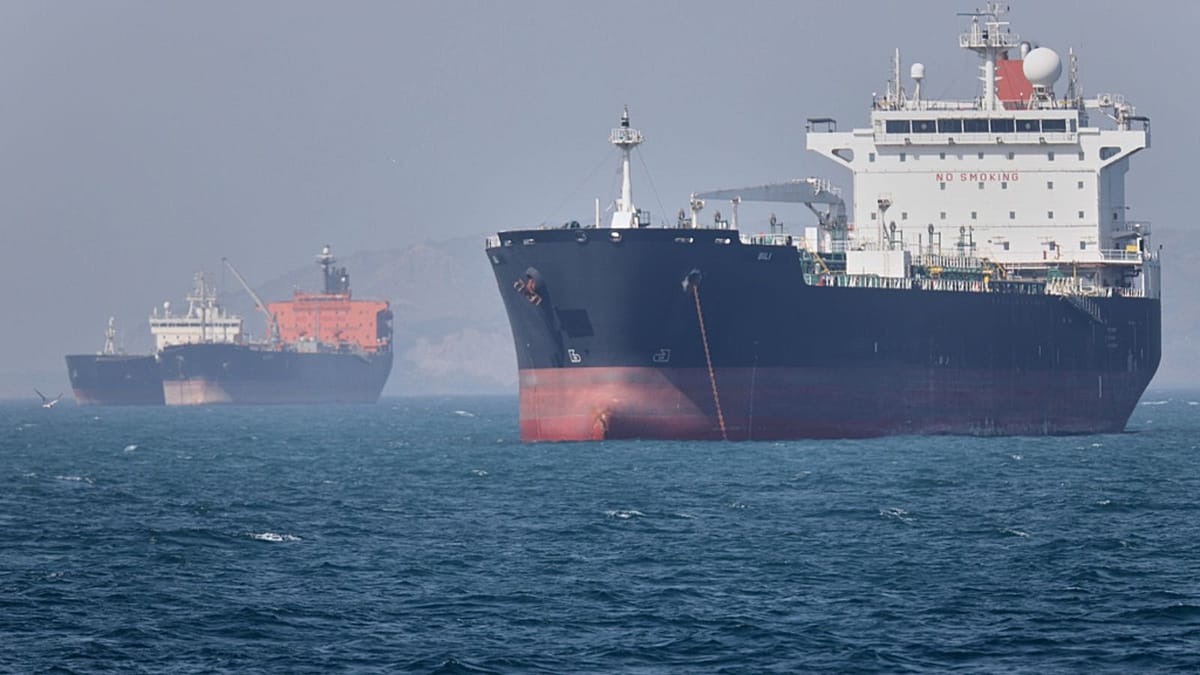
Iran has escalated its assertion of control over the Strait of Hormuz by publishing a map that claims regulatory authority over waters that the United Arab Emirates and Oman consider their own sovereign territory. The move has drawn a formal protest from five Gulf states, who have warned international shipping through the International Maritime Organisation (IMO) to disregard the new boundaries.
On Wednesday, Iran's Persian Gulf Strait Authority (PGSA) posted on X a map defining its claimed management zone. According to the Institute for the Study of War (ISW), the zone runs from Kuh-e Mobarak in Iran to the south of Fujairah in the UAE at the strait's eastern entrance, and from the end of Qeshm Island in Iran to Umm al-Quwain in the UAE at its western entrance. This area overlaps with waters that the UAE and Oman regard as their own, and the PGSA now requires all vessels transiting the zone to obtain prior authorisation.
Bahrain, Kuwait, Qatar, Saudi Arabia, and the UAE sent a joint letter to the IMO this week, distributed by the organisation, warning commercial and merchant vessels not to engage with the PGSA or use Iran's designated route. The letter underscores the growing tension in a waterway that has been largely blocked since the outbreak of the Iran war on 28 February, first by Tehran and then by a US blockade of Iranian ports and ships declared by President Donald Trump.
The ISW noted that the new map appears to extend Iran's claimed zone beyond the boundaries it outlined on 4 May, suggesting a deliberate step-by-step expansion. "The new PGSA-defined zone runs from Kuh Mobarak in Iran to southern Fujairah in the United Arab Emirates (UAE) in the east and from the end of Gheshm Island in Iran to Umm al Qaiwain in the UAE in the west," the ISW explained in an assessment on Friday. "This change lays explicit claim to control over the territorial waters of the UAE and Oman."
Economic and Strategic Implications
The Strait of Hormuz is a critical chokepoint for global oil shipments, and its disruption has already had economic consequences. The EU has slashed its 2026 growth forecast as the crisis drives inflation across the continent. The UAE port of Fujairah, which sits at the seaward end of the Abu Dhabi National Oil Company's West-East pipeline, was built specifically to allow oil exports to bypass the strait, highlighting the strategic importance of the region.
So far, only Chinese-linked shadow fleet vessels have been reported paying PGSA tolls. No Western-flagged operator has publicly acknowledged making a payment, partly because doing so could expose companies to US sanctions. The ISW said Iranian officials remain divided over nuclear concessions but have united around formalising control of the strait. "Iran's demands over the Strait of Hormuz demonstrate that Iranian officials believe they won the war because formalising Iranian control over the Strait of Hormuz is a territorial claim on the sovereign territory of another country," the ISW assessment stated.
Iran is also using the ceasefire period to rebuild its drone and missile programmes. US intelligence officials said in May that Iran had resumed drone production ahead of schedule. Disrupting Iran's drone programme is harder than targeting its ballistic missile infrastructure: drones rely on simpler, widely available components, while ballistic missiles require large specialised facilities and equipment. China and Russia have, according to US officials cited by multiple outlets, been providing assistance with Tehran's rebuilding efforts, although the specific nature of that support has not been publicly confirmed.
The situation has broader implications for European security. The NATO and Baltic states are bracing against drone threats amid a shifting US security posture, and Iran's actions in the Gulf could further destabilise global energy markets. Additionally, Iran's Strait of Hormuz cable tariffs could raise Europe's digital costs, adding another layer of concern for European policymakers.