Conflicting accounts from Tehran on Tuesday left the prospects for a negotiated end to the war with the United States uncertain, as unnamed Iranian officials told Reuters and Japan's Kyodo news agency that a proposal had been passed to Washington through intermediaries, only for semi-official Iranian media to dismiss the reports as unreliable.
According to Kyodo, the offer would see Iran reopen the Strait of Hormuz within seven days in exchange for a reduction in US military pressure, with the broader aim of securing a permanent halt to hostilities. The same sources said Tehran would welcome a return to diplomacy if Washington reciprocated.
Within hours, the semi-official Fars news agency rejected the accounts, citing its own Iranian sources and describing them as inaccurate. Fars also suggested the reports were intended to push oil prices lower — a claim that underscores how sensitive the strategic waterway remains to any signal from Tehran.
A recurring pattern of contradictory signals
Tuesday's confusion is not unprecedented. In June 2025, US President Donald Trump announced a ceasefire with Iran and Israel on his Truth Social platform, only for Iranian Foreign Minister Abbas Araghchi to publicly deny that any deal had been reached. More recently, Trump said terms for ending the war had been "approved in writing", before Iranian state media published what he called "fabricated terms" — competing announcements that have repeatedly complicated diplomatic progress.
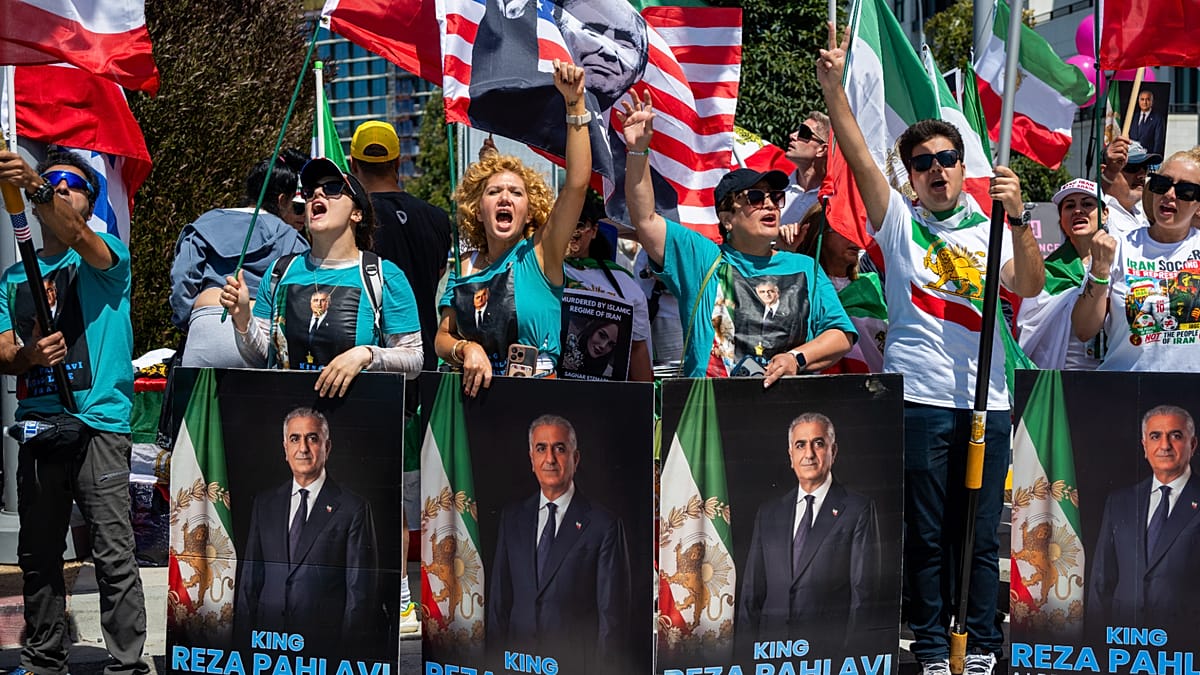
The pattern reflects a decision-making structure in Tehran where different centres of power — the presidency, the foreign ministry, the Revolutionary Guards and state-affiliated media — often project divergent messages. For European governments watching the file, the ambiguity makes it difficult to assess whether a genuine opening exists or whether internal factions are using leaks to shape the narrative.
Washington keeps the door ajar
US Secretary of State Marco Rubio told NBC News on Tuesday morning that Washington is open to a meeting with Iran at the UN General Assembly. "I don't think anything is scheduled at this point, but we're certainly open to something like that, especially if it has the prospects of leading to something positive and ultimately achieving the goal of what this is all about," Rubio said. He added that the objective remains that "Iran can never have a nuclear weapon. They just simply can't."
Iranian President Masoud Pezeshkian is due to address the UN meeting on Wednesday, having departed Tehran vowing to "firmly defend" his country's positions. "We emerged with our heads held high, and this is a source of dignity and pride for all of us," he said, according to state television footage. "We will make the best possible use of this opportunity to convey Iran's plight to the international community."
Pezeshkian is the most senior Iranian official to set foot on US soil since the war began in late February with US-Israeli strikes on Iran. His presence in New York gives European diplomats a rare chance to gauge Tehran's intentions directly, even as the messaging from home remains contradictory.
The strait at the centre of the standoff
Reopening the Strait of Hormuz is central to any settlement. Before the war, roughly one-fifth of the world's oil and liquefied natural gas passed through the corridor. Traffic has since been severely disrupted, with Iran firing on commercial vessels and demanding that ships seek approval for passage. The United States has responded with a counterblockade of Iranian ports and escalating economic pressure.
Iranian Parliament Vice Speaker Ali Nikzad struck a defiant tone on Tuesday. "We will not back down on the strait, and as long as the United States and other countries do not halt their actions, they will face expensive gasoline and oil, along with ongoing energy problems," he said.
For Europe, the stakes are immediate. The continent's energy markets remain exposed to any prolonged closure of the strait, and EU capitals have been pressing for de-escalation while maintaining sanctions on Tehran. The coming days at the UN will test whether the latest signals from Tehran represent a genuine diplomatic opening or another round in an internal war of words.