Iran has issued a direct warning to Bulgaria over plans to host US military aircraft, escalating diplomatic tensions between Tehran and a NATO member state. The warning follows a Bulgarian government proposal to temporarily station up to eight US aerial refuelling aircraft at Bezmer Air Base in the country’s southeast.
Iranian Foreign Ministry spokesperson Esmail Baghaei stated that any support for US attacks would render Bulgaria complicit in what Tehran describes as “aggression and war crimes.” The statement came after Sofia and Washington agreed to move the aircraft from Sofia Airport, where they had been based until late June, to the military facility at Bezmer.
Defensive Posture or Provocation?
Both Bulgaria and the United States have sought to downplay the warning, insisting the deployment is purely defensive and unrelated to military operations in the Middle East. US European Command said it was closely monitoring the situation and remained ready to respond to potential threats.
“The United States maintains regional defensive capabilities across NATO’s eastern flank, including in Bulgaria, and works closely with the Bulgarian government and our allies and partners throughout the broader region,” the command said in a statement. “We remain vigilant and prepared to counter any potential threats.”
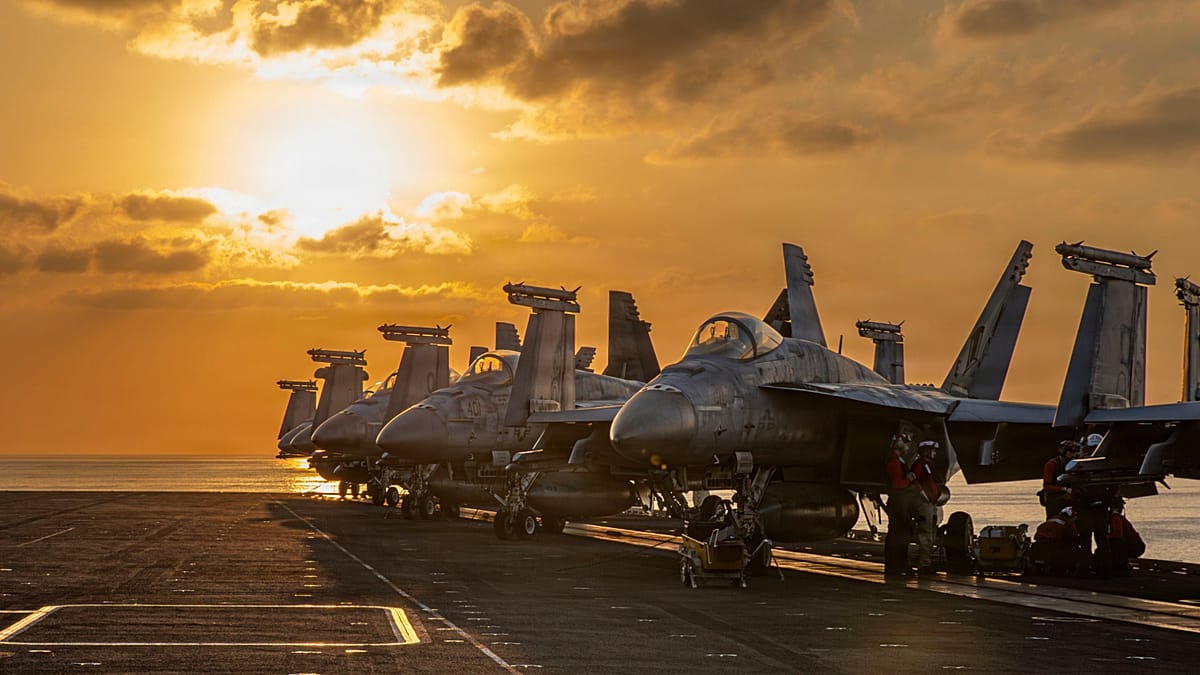
Aerial refuelling aircraft enable fighter jets and other military planes to extend their flight time by transferring fuel mid-air, a capability that can support long-range missions. The aircraft were previously stationed at Sofia Airport but were asked to leave the civilian facility at the end of June. After Washington renewed its request, the Bulgarian government proposed relocating them to Bezmer, a base already used for joint exercises.
Bulgaria’s Foreign Ministry firmly rejected any suggestion that the country could be used to support attacks on Iran. “It is out of the question for any military operations in the Middle East to be carried out from Bulgarian territory,” the ministry said in a statement. The government added that it was not taking hostile action against Tehran and urged both Iran and the United States to cease military operations and return to negotiations aimed at securing a lasting ceasefire.
The exchange comes as tensions between Washington and Tehran rise again following the collapse of a temporary ceasefire. The broader geopolitical context includes ongoing US-Iranian friction over nuclear negotiations and regional proxy conflicts. For Bulgaria, a NATO member since 2004, the incident highlights the delicate balance between alliance obligations and avoiding entanglement in extra-European disputes.
This development also underscores the strategic importance of military mobility within NATO, a topic that has gained traction in Brussels. The EU Defence Commissioner has backed a military mobility plan that aims to streamline the movement of troops and equipment across the continent, with MEPs pushing for a 2028 deadline. Such infrastructure improvements could reduce reliance on ad hoc arrangements like the one at Sofia Airport.
Meanwhile, the Bulgarian government faces domestic scrutiny over the deployment. Critics argue that hosting US military assets could make the country a target in any future conflict, while supporters see it as a necessary step to strengthen NATO’s eastern flank amid heightened tensions with Russia and instability in the Middle East.
The standoff also reflects broader European concerns about the spillover effects of Middle Eastern conflicts. As the US and Iran remain at odds, European nations like Bulgaria find themselves navigating competing pressures from Washington and Tehran. The Bulgarian government’s call for a return to negotiations echoes similar appeals from other EU capitals, which have sought to mediate between the two sides.
For now, the aircraft remain at Bezmer, and the diplomatic war of words continues. Whether this episode escalates into a broader confrontation or remains a rhetorical exchange will depend on the actions of both Washington and Tehran in the coming weeks.