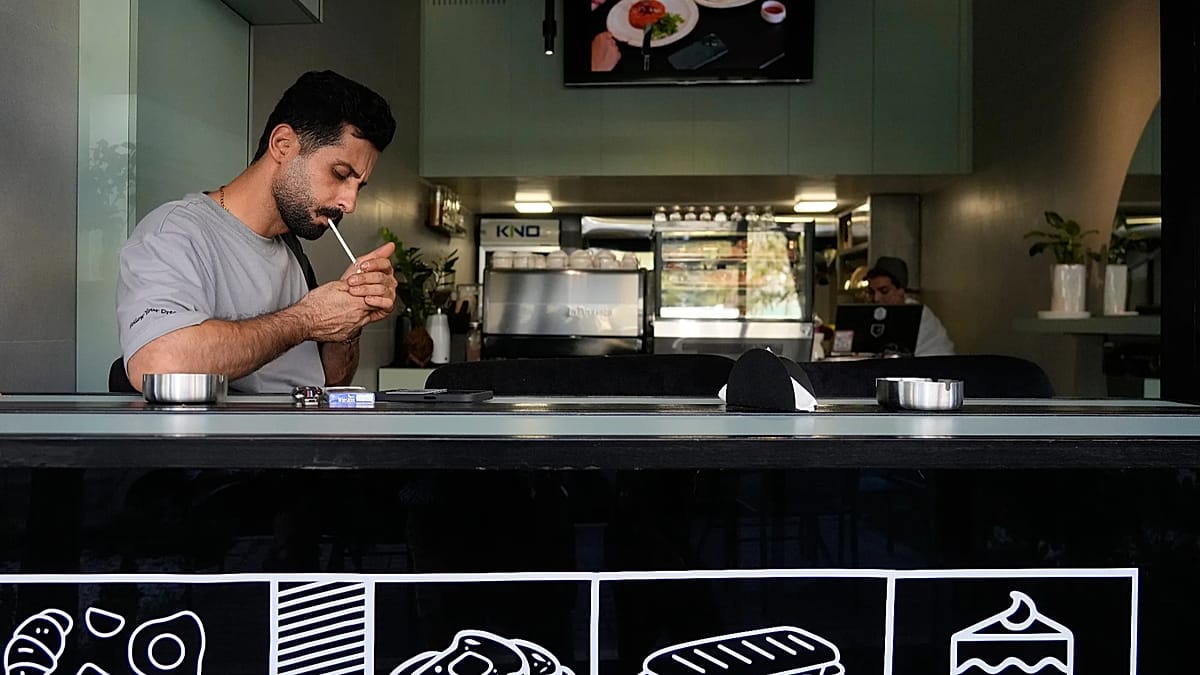
An Iranian café chain manager has been handed a prison sentence of more than twelve years and had all his property confiscated by the state for supporting the nationwide protests that erupted in January. The case against Sadegh Saeedinia, who runs the Saeedinia café chain, is one of the harshest punishments meted out to a private entrepreneur since the unrest began.
Saeedinia was convicted on charges including “media and propaganda activities against national security,” “conducting propaganda against the system,” and “taking operational action on behalf of hostile groups.” The judiciary also barred him from working in the café sector for two years after his release. The charges stem from his Instagram posts about the protests, his backing of strike calls, the closure of the group’s cafés and shops, and his encouragement of staff to join demonstrations.
The judiciary described Saeedinia, the son of Mohammad Saeedinia, founder of the Saeedinia food group, as an “instigator” of protests in the holy city of Qom and linked him to the destruction of public and private property. However, no independent evidence has been made public establishing a direct connection between his activities and any physical damage.
The case is part of a broader campaign targeting his family. Before his son’s conviction, Mohammad Saeedinia had already faced judicial action, with his cafés and restaurants shut down and some branches sealed. Fars News Agency claimed that Saeedinia’s assets were worth roughly the same as the financial damage inflicted on Tehran during the protests. In a subsequent letter, Mohammad Saeedinia described the closures as “a mistake,” apologised to the public and expressed obedience to the ayatollah. Several social media users described the letter as written under duress.
Asset confiscation as a political tool
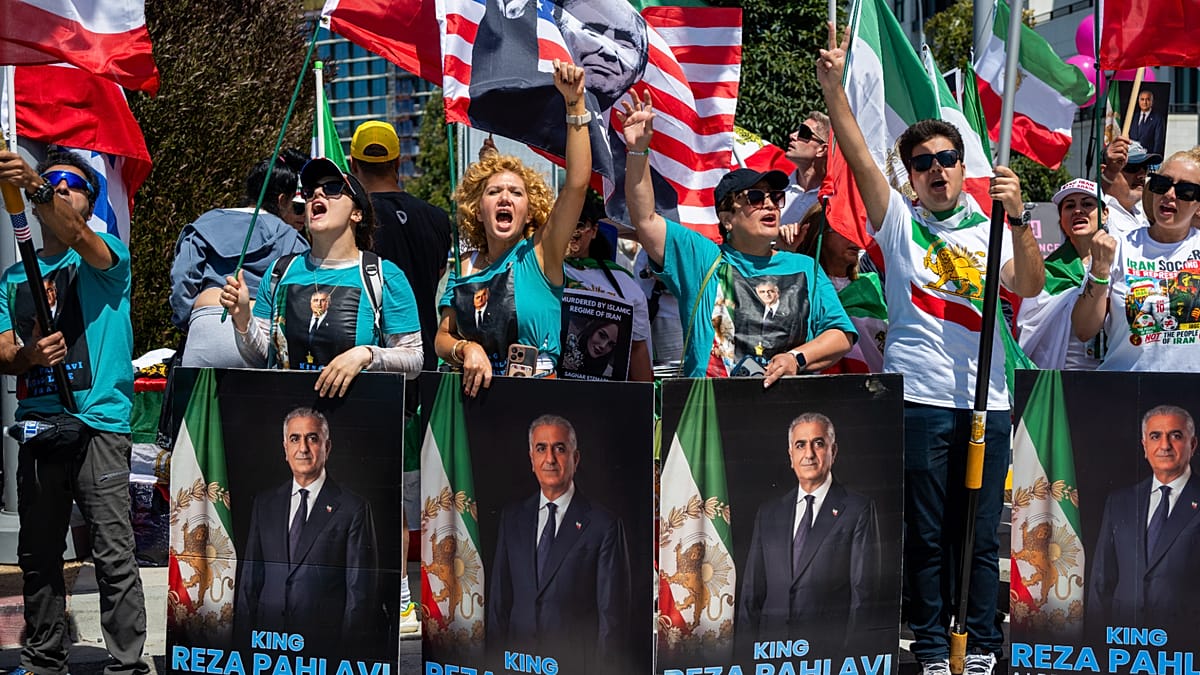
Iran has sharply expanded its use of asset confiscation as a tool of political pressure, a practice that has changed in form and scope over more than four decades. The policy began in 1979 when Ayatollah Ruhollah Khomeini ordered the confiscation of property belonging to the Pahlavi family and officials of the former regime, with the stated aim of redistributing assets to the poor. Over subsequent decades it was extended to cover entrepreneurs, political opponents, artists, activists and religious minorities.
Article 49 of the constitution created a formal judicial mechanism for seizing property deemed “illicit,” and a significant share of confiscated assets passed to bodies operating under the authority of the ayatollah. The Headquarters for Executing the Order of Imam Khomeini, known as Setad, is among the most prominent of these structures, and its name has appeared in cases involving confiscated property including the real estate of Baha'i citizens.
Since the January protests, confiscation has expanded further. In April, the Tehran prosecutor announced that orders had been issued to identify and seize the assets and freeze the bank accounts of more than 100 prominent figures living abroad, described as supporters of the enemy. On the same day, authorities issued orders to freeze the accounts of 63 managers and employees of Iran International and 25 managers and employees of Manoto TV in London. Ali Sharifi Zarchi, a former professor at Sharif University who had publicly said “Khamenei is not my leader” after the protests, was also on the list.
Later reports described the seizure of property belonging to more than 400 media and cultural figures abroad. Prosecutors in Semnan and Hamedan reported simultaneous seizures in their jurisdictions. Several prominent athletes have also been targeted. Cases have been opened or assets threatened against former international footballers Ali Karimi and Sardar Azmoun, Iranian-Australian referee Alireza Faghani, former Esteghlal captain Voria Ghafouri and Ali Daei, considered one of the greatest players in Iranian football history. Semi-official media linked to the IRGC have mounted sustained smear campaigns against several of them.
Death toll still unclear
The January protests erupted after the collapse of the Iranian rial and spread to more than 180 cities. Iranian officials have acknowledged that more than 3,100 people were killed during the crackdown but say most victims were security personnel or bystanders killed by what they describe as US and Israeli-backed terrorists. The UN Special Rapporteur on Iran put the death toll at a minimum of 5,000. The US-based Human Rights Activists News Agency said it had verified 6,854 deaths, the majority of them protesters, while other human rights groups and insiders in Iran estimate the number could be as high as 32,000.
In his latest public comments, US President Donald Trump claimed nearly 65,000 protesters had been killed — a figure that far exceeds any other estimate and has not been substantiated by independent monitoring organisations. The case of Saeedinia highlights the regime’s willingness to use economic punishment against its own citizens, a tactic that has drawn international criticism but shows no sign of abating.