Ireland has announced a comprehensive review of its electricity system, unveiling a blueprint to transform the country's power sector by 2050 as it accelerates efforts to meet climate goals and electrify its economy. The so-called Power Sector White Paper, presented by Climate, Energy and Environment Minister Darragh O'Brien on Wednesday, will outline how Ireland plans to generate, transmit, and regulate electricity over the next three decades.
The move comes as Dublin assumes the rotating presidency of the Council of the European Union, with electrification high on its agenda. O'Brien framed the transition as a major economic opportunity, stating: "Ireland's energy transition represents a momentous opportunity for us all, to help make our economy and industries more efficient and competitive, to open new opportunities for businesses, and create tangible benefits for our communities across Ireland."
Soaring demand and data centre pressure
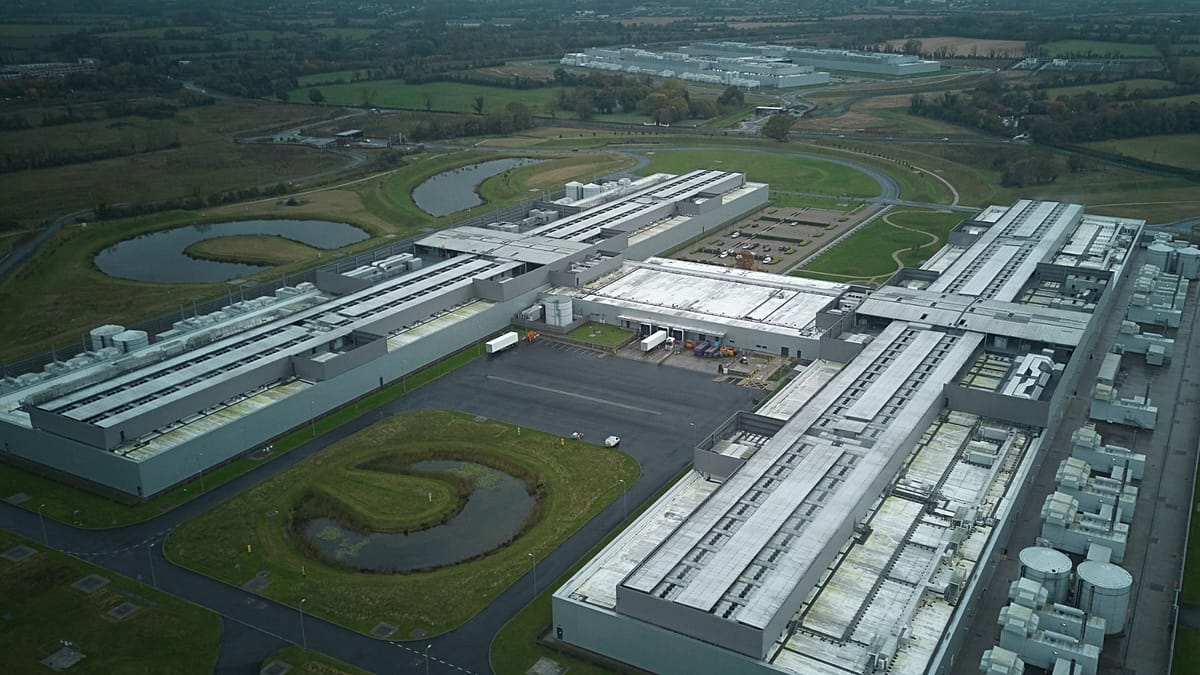
The review is driven by forecasts of a sharp rise in electricity demand over the coming decades, fuelled by electric vehicles, heat pumps, industrial electrification, and the rapid expansion of data centres. According to the Irish Central Statistics Office, data centres alone consumed 23% of Ireland's total metered electricity in 2025, up from 5% in 2015 — nearly matching the 28% used by all urban and rural households combined.
This surge places growing strain on the national grid, which must be upgraded to handle higher loads and integrate more renewable energy. The White Paper will examine how much electricity Ireland will need, where it will come from, how the grid should evolve, and how to balance affordability, security of supply, and decarbonisation. The government says the strategy will be backed by detailed modelling of future energy scenarios, including risk assessments, demand forecasts, and infrastructure needs.
At the EU level, political talks are underway to modernise the bloc's ageing power grids, a prerequisite for fully utilising renewable energy and achieving electrification. The European Commission has set a 46% electrification target by 2040, urging member states to boost related investments. The disruption in the Middle East has underscored the cost of fossil fuel dependence: the EU spent an extra €50 billion on fossil fuel imports in just 111 days during Strait of Hormuz disruptions.
Holistic approach and EU context
Ireland's White Paper is part of its commitment to climate neutrality by 2050 under EU law, with electrification as the central strategy for cutting emissions across transport, heating, and industry. France was the first EU country to announce its own electrification plan, and others are expected to follow. However, the Commission has warned that high electricity prices must be addressed to incentivise households and businesses to switch from fossil fuels. It recently asked member states to ensure electricity is not taxed more heavily than gas, while leaving national tax structures intact.
Eva Schwab, energy poverty policy officer at the European Federation of National Organisations working with the homeless, cautioned that electrification will only succeed if it includes everyone. She regretted that the Commission's plan, seen as a model for EU countries, makes no mention of energy poverty. O'Brien has invited stakeholders across government and the public, private, and voluntary sectors to collaborate on the initiative, calling for a "national conversation."
Ireland's push comes amid broader European challenges, including varying national concerns about the economy, housing, and healthcare that could affect public support for energy transitions. The White Paper is expected to become the cornerstone of future energy policy, guiding legislation, investment decisions, and grid development as Ireland shifts from fossil fuels to an electricity-based economy.