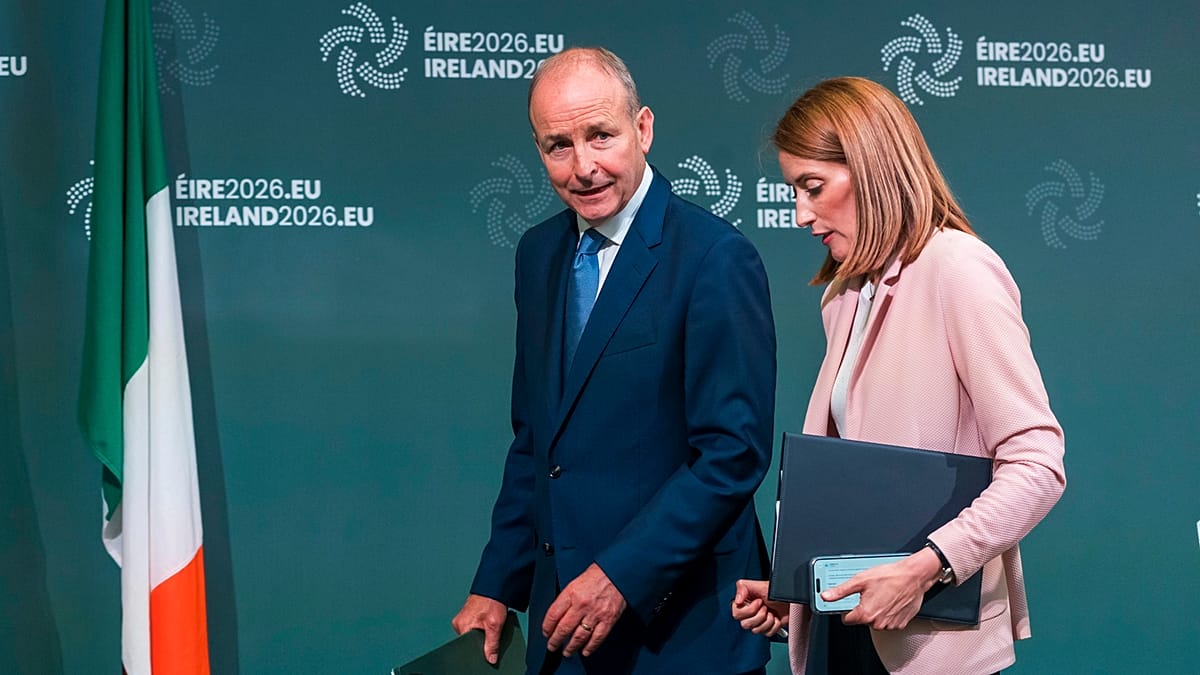
Ireland has officially assumed the six-month rotating presidency of the EU Council, taking over from Cyprus. This marks the eighth time the country, which joined the bloc in 1972, has taken on the role of mediator among the 27 member states. Taoiseach Micheál Martin noted the timing is critical, with global uncertainty and unpredictability at high levels. Under the Gaelic motto "Ní neart go cur le chéile" ("Strength with unity"), Dublin will steer negotiations on several pressing files.
Pressure on Moscow
The most urgent task is finalising a new package of sanctions against Russia, with a hard deadline of 15 July. If no deal is reached by then, the EU's price cap on Russian oil will automatically adjust upward due to market disruptions, potentially exceeding the current $44 per barrel and even the original $60 figure. This would provide Moscow with economic relief, a politically unacceptable outcome. Diplomats are confident a deal can be reached, but Bulgaria has threatened a veto if Patriarch Kirill and Lukoil founder Vagit Alekperov are added to the sanctions list. Prime Minister Rumen Radev also raised concerns about impacts on fertilisers and spare parts for the Sofia metro. Other sticking points include imports of cod and pollack, LNG tanker sales, and a broad entry ban on Russian soldiers.
Road to Enlargement
Ireland has made EU enlargement a key priority, particularly for Ukraine and Moldova. The change in power in Hungary has opened a window for progress, and Cyprus previously opened the first cluster of accession talks. However, Hungary's new prime minister, Péter Magyar, has urged caution. Dublin hopes to unblock one or two clusters before the summer break, with the rest addressed gradually. Meanwhile, Montenegro, the frontrunner, aims to close negotiations by year-end and begin drafting its accession treaty. Brussels wants this treaty to set a precedent for future members, making the drafting process intense as countries push for different clauses and safeguards. For more on this, see EU Enlargement Takes Center Stage as Ireland Begins Council Presidency.
Budget Crunch
The next seven-year EU budget is one of the most consequential and controversial files. Cyprus proposed a moderate 2% cut to the Commission's €2 trillion blueprint, drawing criticism from frugal countries like the Netherlands and Sweden. Ireland must now produce revised numbers for each heading, balancing traditional priorities like agriculture and cohesion with modern ones like climate action, innovation, and defence. The Irish "nego-box" must also address new own resources—EU-wide taxes to generate additional revenue. Member states have shifted from initial opposition to recognising the need for such taxes. The proposal is expected in October, with leaders aiming for a final deal by December to avoid spillover into 2027, when elections in France, Italy, Spain, and Poland could derail talks. For background, see EU Budget Battle Takes Center Stage at Annual Conference as Ireland Assumes Council Presidency.
Tariff Threats and Trade Wars
Each new presidency seems to face a tariff threat from US President Donald Trump. Last July, Denmark dealt with a 30% tariff threat that never materialised; in January, Cyprus faced a 15% threat. Now, Ireland must handle a 100% tariff on European countries that tax digital services. If Trump follows through, the EU-US trade deal could collapse, sparking a tariff war. While trade is the Commission's exclusive competence, Ireland must keep member states united—a difficult task when economic ties are fragile. Separately, a trade war is brewing between Brussels and Beijing over electric vehicle subsidies, adding another layer of complexity.
Other Pressing Issues
Beyond these five tasks, Ireland must also address ongoing concerns about alumina exports to Russia, which have tainted its presidency. Calls to halt these exports are growing, as highlighted in Ireland Faces Growing Calls to Halt Alumina Exports to Russia Amid EU Presidency. Additionally, the presidency will oversee negotiations on migration, digital regulation, and climate goals. With a packed agenda and limited time, Dublin's ability to forge compromises will be tested.