Good morning from Brussels. Enlargement is back at the top of the European agenda, with a flurry of developments this week that underscore both the bloc's ambitions and the persistent obstacles it faces. From a redistribution of Western Balkans funds to Ukraine's urgent push for accession, the question of who joins the EU—and when—is shaping policy debates across the continent.
Western Balkans Funding Redistribution
The European Commission is set to reallocate funds from the €6 billion Reform and Growth Facility for the Western Balkans, a mechanism established in 2024 to incentivise reforms in candidate countries. According to two EU officials, the frontrunners—Montenegro, Albania, and North Macedonia—are poised to receive additional cash at the expense of other nations in the region. The facility, covering 2024–2027, aims to double the size of Western Balkan economies within a decade, but only around €673 million has been disbursed so far, with almost all of it going to those three countries.
The biggest loser appears to be Bosnia and Herzegovina, which has received no funding due to its failure to implement required reforms, largely because of its complex institutional setup. Kosovo and Serbia are also set to miss out. This redistribution reflects the Commission's desire to avoid letting money go to waste, but it also highlights the uneven progress among candidate states.
Coincidentally, EU foreign policy chief Kaja Kallas is in Bosnia and Herzegovina today, where talks among foreign diplomats on Wednesday failed to secure a permanent appointment for the High Representative responsible for upholding the 1995 Dayton peace accords. A US diplomat has been named acting envoy to bridge the gap.
Ukraine's Urgent Push for Accession
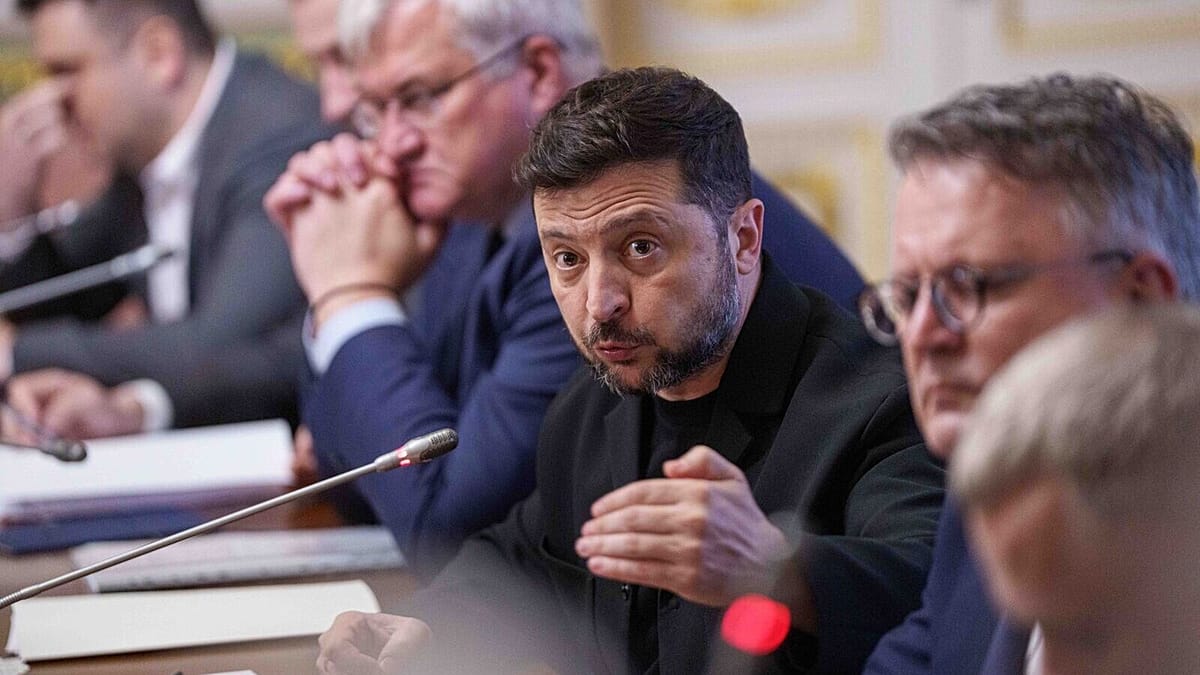
Enlargement also dominated the opening of Ireland's six-month presidency of the EU Council. President Volodymyr Zelenskyy flew to Dublin to attend the ceremony and make the case for opening the five remaining clusters of negotiations “as soon as possible.” But he faces a double-whammy: fresh reservations from Hungary and a bitter dispute with Poland, both of which threaten the pace of the accession process.
When asked by our correspondent how he plans to handle these open fronts, Zelenskyy said: “It's in the interest of all the countries to have Ukraine in the EU as quickly as possible. I think it's important that when we all have rules, it's not just political emotions.” He added that Ukraine is “ready to find answers,” suggesting a growing willingness to resolve the spiralling feud with Poland.
The press conference also touched on a scandal over Ireland's alumina sales to Russia. Taoiseach Micheál Martin said an investigation to “get the full facts” was nearing completion and promised to share findings with the European Commission. Zelenskyy appeared unconvinced, stating: “Every ton of raw materials that ends up in Russia is used against us in this war. We very much hope for a positive result in this investigation. And we hope that we will not have to wait for it for months.”
Russia's Renewed Attacks
Zelenskyy cut short his visit to Ireland after an intelligence warning indicated Russia was preparing another mass strike on Ukraine. “Once or twice a week, there are large-scale air strikes. Today, there is worrying news about preparations for yet another such mass Russian air strike,” he said in Dublin, urging citizens to be careful. Overnight, at least ten people were killed and 56 injured, including two children, as Russia launched dozens of cruise and ballistic missiles at Kyiv, along with mass drone strikes across multiple regions. The attack destroyed residential buildings, damaged a hotel in central Kyiv, and left multistory buildings in flames.
EU-Turkey Economic Dialogue Resumes
European Commissioner for the Economy, Valdis Dombrovskis, will become the fourth member of Ursula von der Leyen's college of Commissioners to visit Turkey in recent days. He is expected to join the High-Level Economic Dialogue on Thursday and Friday and hold talks with Finance Minister Mehmet Şimşek, who yesterday expressed interest in the EU's SEPA payments system. The dialogue was restored last year after a suspension initiated in 2019 due to Turkey's unauthorised drilling in the Eastern Mediterranean. The European Investment Bank also froze its operations in the country, which are now returning to normal. The forum will focus on the impact of geopolitical developments on EU and Turkish economies and how to boost investment ties. For more context, see our analysis on EU Pursues Closer Ties with Turkey Amid Shifting Geopolitical Landscape.
Russian Gas Imports Rise Despite Phase-Out
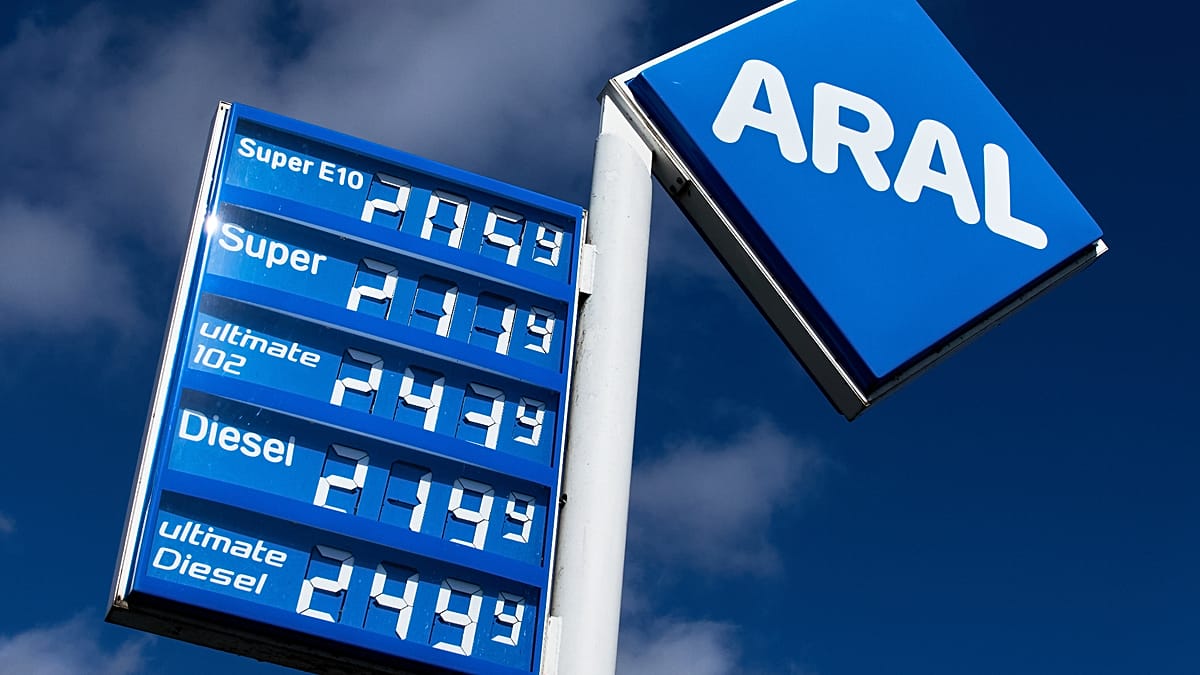
In a contradictory trend, gas imports from Russia into the European Union increased during the first months of 2026, even as the bloc formally begins a historic withdrawal from Russian natural gas. The EU banned Russian liquefied natural gas (LNG) from entering the bloc by early 2027 and mid-2027, but the rise in imports underscores the challenges of decoupling from Russian energy. This development raises questions about the effectiveness of the phase-out strategy and the bloc's energy security.
As the Irish presidency unfolds, enlargement remains a central theme, with the EU balancing ambition against political realities. The coming months will test whether the bloc can maintain momentum on both the Western Balkans and Ukraine fronts, while managing internal divisions and external pressures.