Russian officials acknowledged on Friday that several regions are facing renewed petrol shortages, as Ukraine continues its campaign of long-range strikes against the country's energy infrastructure. The admission marks the latest sign of strain on Russia's domestic fuel market, which has been under pressure for months.
Ukraine has been targeting Russian oil refineries and fuel depots with drones and missiles since early this year, aiming to disrupt a key source of revenue for the Russian military. The strikes have forced the temporary shutdown of several major facilities, including the Orsk refinery in the Orenburg region, about 1,300 kilometres from the front line, which was hit this week and will remain closed for six months.
In a statement on social media, the Russian government said: "The situation remains tense in several regions of the country regarding fuel supplies to service stations." It added that oil companies are "taking the necessary measures to increase deliveries to the most vulnerable regions."
A government meeting was held to address the shortages, and Deputy Prime Minister Alexander Novak, who oversees energy, has ordered that fuel prices be monitored closely. The statement did not provide details on which regions are most affected, but local reports and regional governors have pointed to a broad impact.
Regional impact and rationing
Nearly every Russian region has at some point imposed limits on fuel sales or introduced rationing measures, such as banning the filling of jerry cans. The Krasnodar region on the Black Sea, a popular tourist destination, has been among the hardest hit.
Regional governor Venyamin Kondratyev said on Friday: "The situation regarding petrol supplies at service stations has become complicated." He noted that oil companies "have again started imposing restrictions on the amount of fuel supplied and reduced service station opening hours," causing concern among residents and visitors alike. He has asked federal authorities to send additional fuel to the region.
The governor of the Orenburg region, where the Orsk refinery is located, confirmed on Thursday that the facility had been shut down and that repairs would take months. The refinery is one of the largest in the region, and its closure is expected to exacerbate supply problems across the Urals and beyond.
Russian President Vladimir Putin acknowledged for the first time in June that the country was facing a "certain deficit" of fuel. Speaking at a meeting focused on the fuel situation, Putin admitted that Russia was "going through a difficult period," but insisted that Moscow would "honour all its social obligations."
Shortly after, he told state television that the country's arms industries would quickly ramp up production of air defence systems to fend off Ukrainian attacks. He also claimed that the issues were not critical, and that Russia would import more fuel and speed up repair works at oil facilities to end the "temporary deficit."
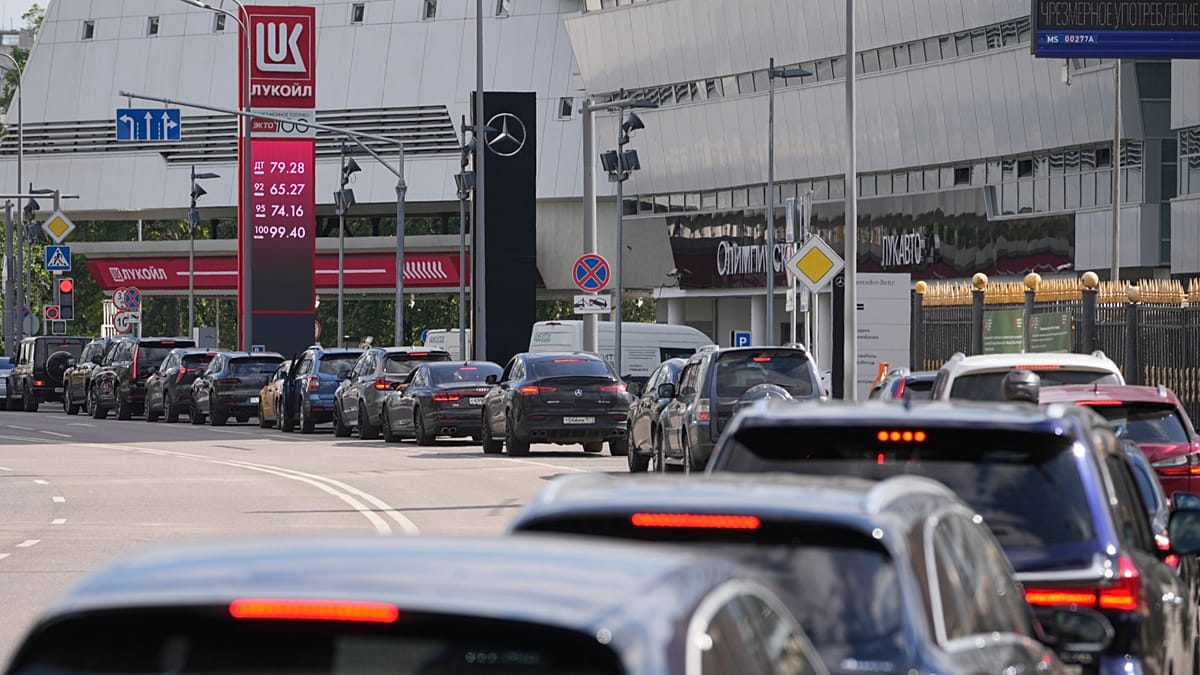
The fuel shortages have been compounded by the ongoing conflict, which has also affected logistics and supply chains. Companies and private drivers have faced repeated shortages in recent months, with long queues at petrol stations becoming a common sight in some regions.
The situation has drawn attention beyond Russia's borders, as European nations monitor the impact of the strikes on global energy markets. The attacks on Russian refineries have contributed to volatility in oil prices, though the full effects are still being assessed.
Meanwhile, the broader security situation in Europe remains tense, with NATO condemning Russian airspace violations and NATO jets downing a Russian-linked drone over Latvia. The strikes on Russian energy infrastructure are part of a wider pattern of Ukrainian operations aimed at weakening Russia's military capabilities and economic base.
As the conflict continues, the resilience of Russia's fuel supply will remain a key indicator of the war's impact on the home front. The Kremlin's rare admissions of shortages suggest that the campaign is having a tangible effect, even as Moscow insists it can manage the challenges.