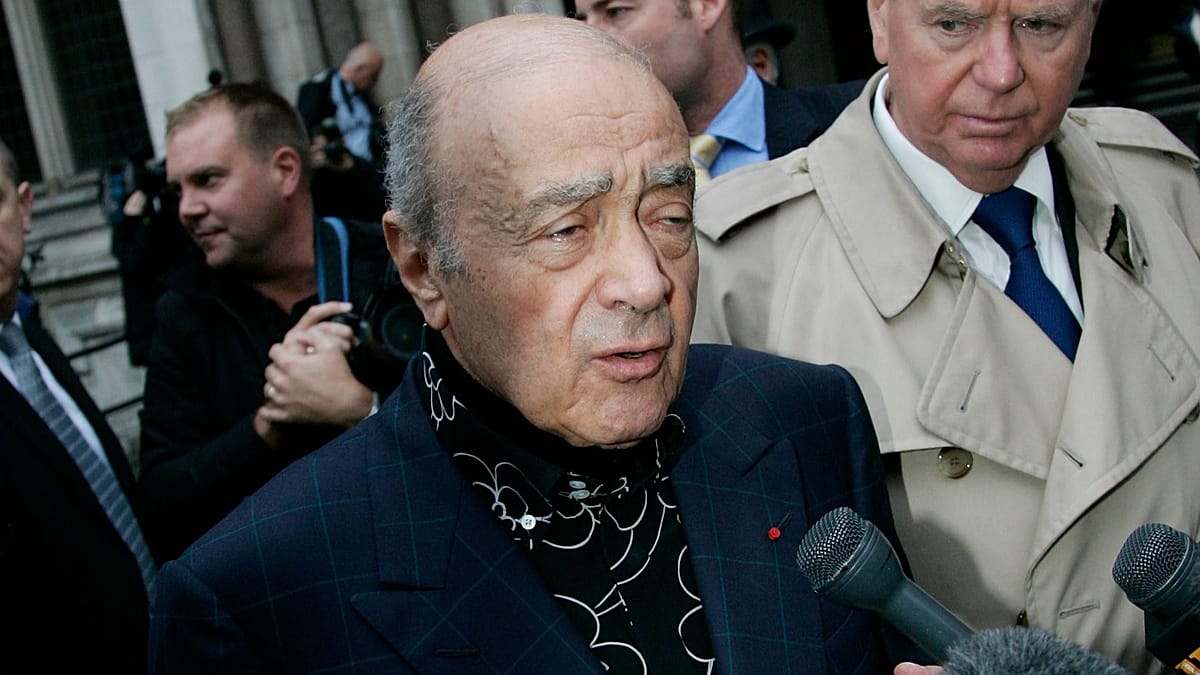
London's Metropolitan Police has issued an apology after a data breach exposed the email addresses of 143 individuals who had come forward with allegations of sexual abuse against the late Mohamed Al Fayed, the former owner of Harrods.
The force attributed the incident to “human error,” stating that during a routine monthly email update to victims, the recipients' email addresses were visible to all instead of being concealed. A number of additional recipients also received the email, compounding the breach.
A group representing the alleged victims described the incident as “appalling,” highlighting the distress caused to individuals who had already endured significant trauma.
In a statement, the Metropolitan Police said: “The issue was identified quickly and immediate action was taken.” The force added that all affected individuals had been contacted and that an investigation is underway. “The incident is being investigated as a matter of priority, and we are reviewing our processes to help prevent a similar breach from happening again,” the statement continued.
The Met has also referred itself to the Information Commissioner's Office, the UK's independent data protection authority, which will assess whether any regulatory action is warranted.
Who was Mohamed Al Fayed?
Mohamed Al Fayed, an Egyptian-born billionaire, was a prominent figure in British and European business circles. He owned the Ritz Hotel in Paris, Fulham Football Club, and the iconic London department store Harrods. He was also the father of Dodi Al Fayed, who died alongside Princess Diana in a car crash in Paris in 1997.
Following his death in 2023 at the age of 94, hundreds of women came forward with accusations of rape, sexual assault, and trafficking, many of which allegedly occurred during his tenure at Harrods. Despite some complaints being made before his death, Al Fayed never faced criminal charges.
Earlier this month, at least five women who say they were victims of Al Fayed were formally recognised by the UK Home Office as victims of modern slavery, a designation that acknowledges the severity of their exploitation.
This latest data breach adds to the growing scrutiny of how UK institutions handle sensitive information related to abuse cases. The Metropolitan Police's apology comes amid broader concerns about data protection across Europe, where similar incidents have prompted calls for stricter safeguards. For instance, Italian police recover stolen art in a separate case, but the issue of data security remains a pressing concern for law enforcement agencies.
The breach also raises questions about the adequacy of victim support mechanisms, particularly for those who have already suffered significant harm. As the investigation proceeds, the Met has pledged to review its internal processes to prevent future lapses.
For now, the focus remains on supporting the affected individuals and ensuring that their trust in the justice system is not further eroded. The Information Commissioner's Office will determine whether the Met's actions breached UK data protection laws, which could result in fines or other corrective measures.