Israeli forces clashed with Hezbollah militants along the Litani River in southern Lebanon on Tuesday, marking a significant escalation in a conflict that has already displaced over one million people. Prime Minister Benjamin Netanyahu announced an expansion of ground operations, vowing to "smite them hip and thigh" as troops pushed farther north of the de facto boundary established by the ceasefire.
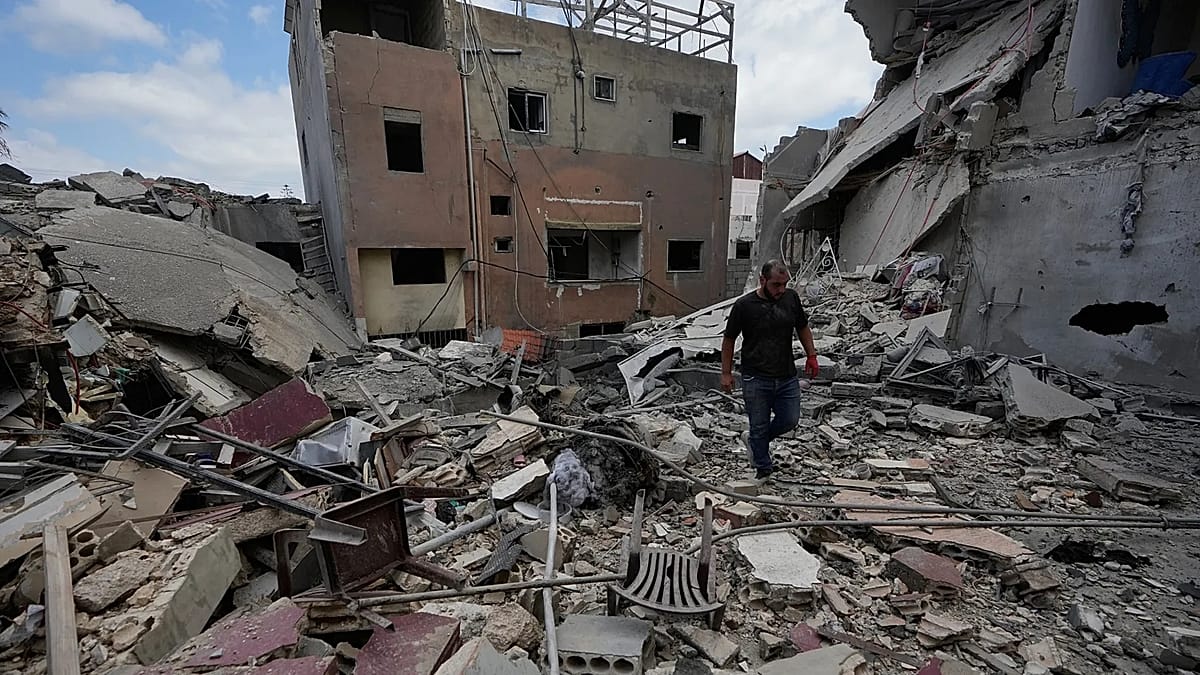
The violence comes despite a US-brokered truce in place since mid-April and ongoing peace negotiations in Washington, with the fourth round of direct talks scheduled for 2 and 3 June. At least 31 people were killed in the latest Israeli strikes, according to Lebanon's health ministry, including several children. The Israeli military said it hit more than 100 Hezbollah sites across southern Lebanon and the eastern Bekaa Valley overnight, targeting storage facilities, command centres, and observation points used to attack Israeli troops and residents in northern Israel.
Ceasefire in Jeopardy
The escalation leaves the ceasefire hanging by a thread, complicating efforts to secure a broader peace in the region. Tehran has insisted that any agreement must include an end to the fighting in Lebanon, linking the conflict to the wider Iran war that began on 2 March, when Hezbollah fired rockets into northern Israel in solidarity with Iran. The Litani River has become a flashpoint, with large areas to the south remaining under Israeli military control despite the truce.
Speaking after meeting with his defence minister and senior military officials on Monday, Netanyahu said the Israeli Defense Forces were "operating with large forces on the ground and seizing strategic areas." He argued that fortifying a zone in southern Lebanon is necessary to protect residents in northern border towns from Hezbollah rocket and drone attacks. Since then, airstrikes have intensified, with one hitting the eastern village of Mashghara, killing 12 people, including several members of the same family, according to Lebanon's state-run National News Agency. Another strike in a village just north of the river also killed 12. On Tuesday, Israel warned residents in the Nabatiyeh province to evacuate.
Beirut, the Lebanese capital, has been spared from strikes since the ceasefire began, but the latest moves have stoked fear among its population. The Lebanese government, which came to power on a platform of reform and disarming Hezbollah and other armed groups, hopes that direct talks with Israel—which Hezbollah opposes—will lead to a permanent ceasefire and withdrawal of Israeli troops. Israel insists it will not withdraw until Hezbollah no longer poses a threat to its northern towns, while Hezbollah has vowed to fight until Israel halts its daily airstrikes and pulls out.
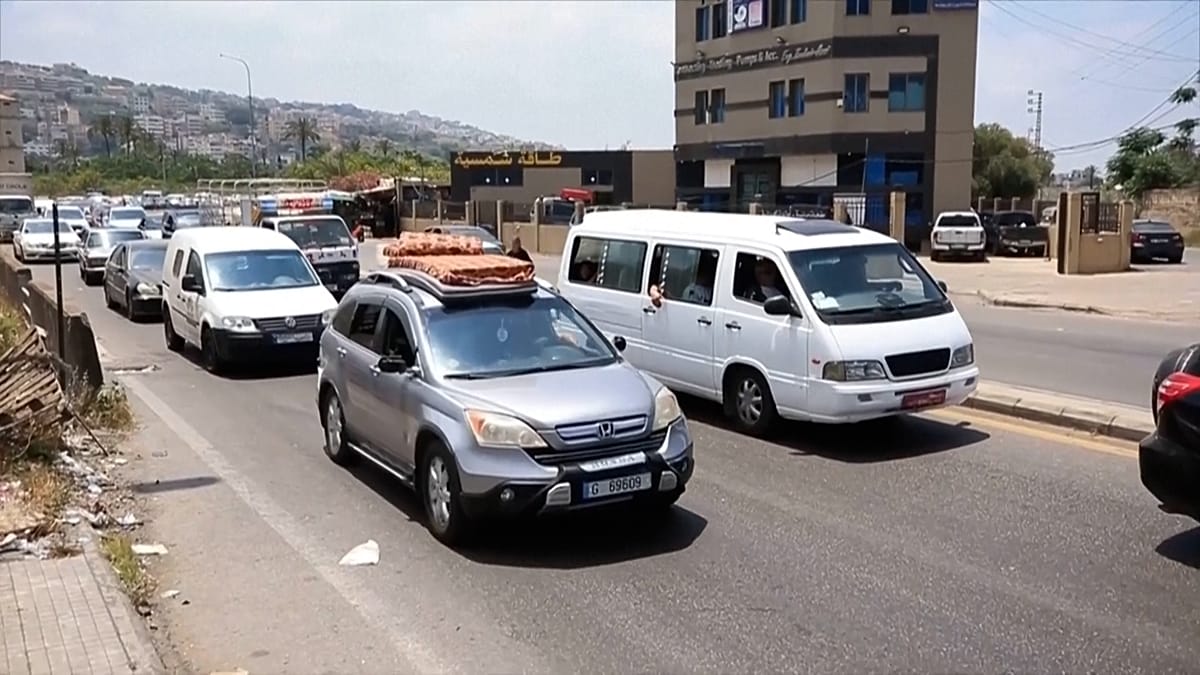
In recent weeks, Hezbollah has boasted of using new fibre-optic drones that Israeli troops have struggled to intercept, hitting both Israeli forces and villages in northern Israel. Israel has told people there not to gather in large numbers. The conflict has displaced over one million people in Lebanon, with many seeking shelter in makeshift camps along Beirut's seafront, as reported in our coverage of the Beirut tent camp.
The European Union has been closely watching the developments. France and Sweden have pushed the bloc to restrict trade with Israeli settlements, a move that could reshape EU-Israel relations. The push for trade restrictions reflects growing unease among member states about the humanitarian toll and the erosion of international law. Meanwhile, protests have erupted across Europe, including in Athens, where demonstrators marched after the interception of a Gaza flotilla, as detailed in our report on Athens protests.
The situation remains fluid, with the US-brokered ceasefire appearing increasingly fragile. Netanyahu's vow to "increase the blows" suggests further escalation is likely, while Hezbollah shows no signs of backing down. For European readers, the conflict's ripple effects—from diplomatic tensions in Brussels to humanitarian crises in Lebanon—underscore the continent's stake in a stable Middle East.