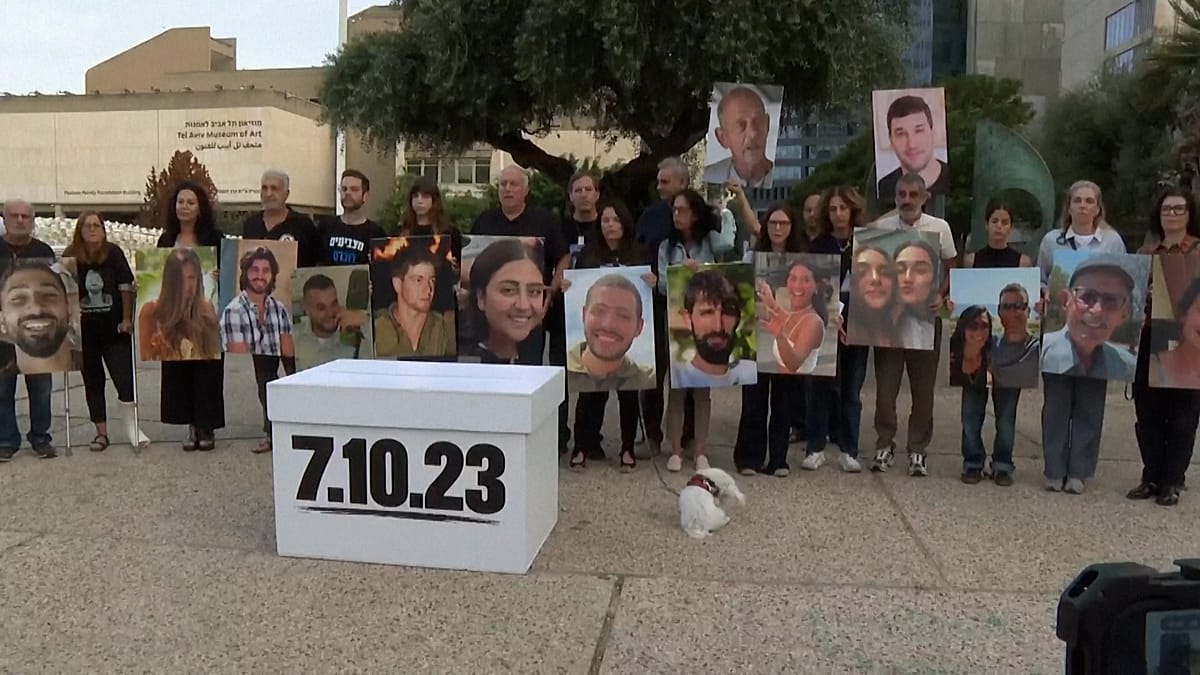
In Tel Aviv, as polling stations opened across Israel for the general election, families of those who lost loved ones in the 7 October 2023 attacks gathered to observe a moment of silence. The ceremony, held near the site of the Nova music festival massacre, underscored the deep emotional and political divisions that have shaped this vote.
The election, which pits Prime Minister Benjamin Netanyahu against a coalition of centrist and left-wing parties, is widely viewed as a referendum on his leadership during the deadliest attack in Israel's history. More than 1,200 people were killed and over 250 taken hostage, and many voters remain angry over the government's failure to prevent the assault.
A vote shadowed by grief and security
At the Tel Aviv memorial, relatives placed photographs of the victims and lit candles, their grief palpable against the backdrop of a bustling city that has become a focal point for anti-government protests. "We are here to remind everyone that this election is not just about politics," said Yael Adar, whose son was killed at the festival. "It is about ensuring that what happened on October 7 never happens again."
The moment of silence coincided with the opening of polling stations at 7:00 AM local time. By midday, turnout appeared robust, with long queues outside voting centers in Tel Aviv, Jerusalem, and Haifa. The election is being held under extraordinary circumstances, with the war in Gaza ongoing and tensions high on the northern border with Hezbollah.
Netanyahu, who is seeking to extend his record tenure, has framed the vote as a choice between his experienced leadership and what he calls a "weak and inexperienced" opposition. His main challenger, former military chief Benny Gantz, has promised to restore public trust and pursue a "responsible" approach to security.
But for many voters, the election is about accountability. "I lost two friends on October 7," said Noam Shavit, a 34-year-old software engineer voting in Tel Aviv. "I want a government that will investigate what happened, not one that hides from it."
The campaign has been marked by bitter rhetoric and deep societal rifts. While some Israelis prioritize the return of the remaining hostages, others focus on the military campaign in Gaza, which has killed tens of thousands of Palestinians, according to local health authorities. The international community, including European capitals, is watching closely, with concerns about the humanitarian situation and the potential for regional escalation.
European leaders have urged restraint and a renewed push for a two-state solution, but the election's outcome could shape Israel's approach to these issues. In Brussels, officials are preparing for a range of scenarios, from a continuation of the current government to a more conciliatory administration under Gantz.
As the day progressed, reports emerged of security closures in the West Bank following an attack near Hebron, adding to the tense atmosphere. The Israeli military announced the temporary closure of crossing points, citing operational needs.
For the families of October 7 victims, the election is a painful reminder of their loss, but also a glimmer of hope for change. "We are not just voting for a government," said Adar. "We are voting for the future of our country."
Polls are set to close at 10:00 PM, with exit polls expected shortly after. The final results will likely be known by Wednesday, but coalition negotiations could take weeks. In the meantime, the world watches as Israel makes a choice that will resonate far beyond its borders.