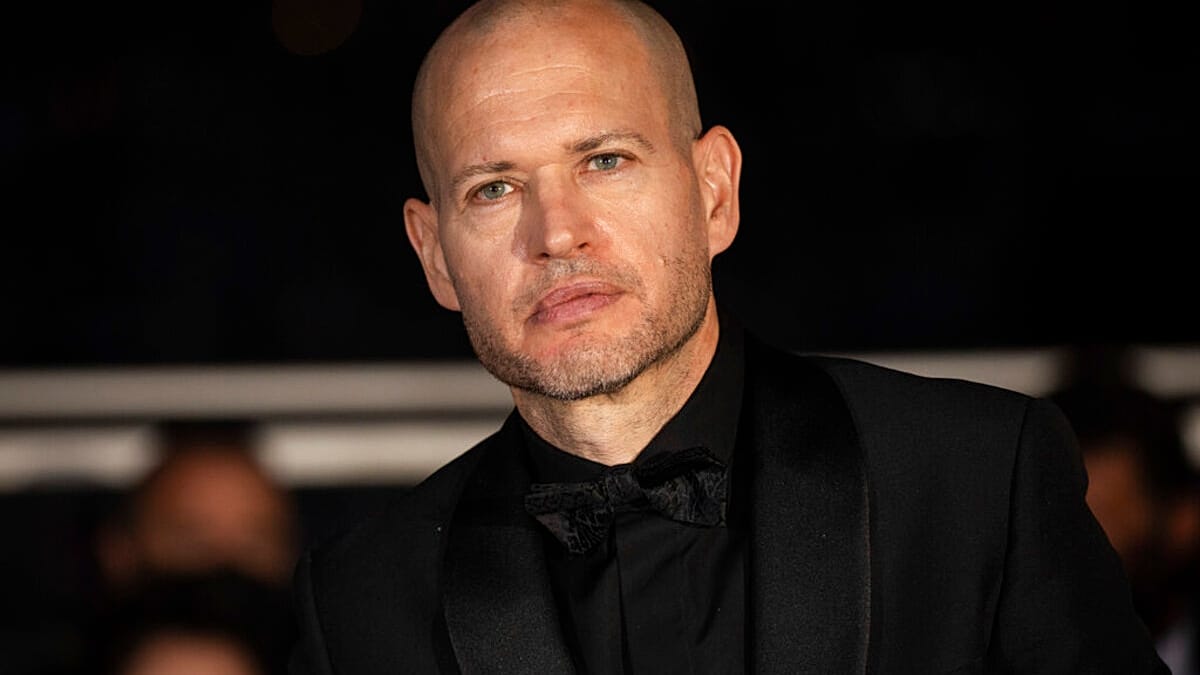
The Marseille International Film Festival (FID) has become the latest European cultural battleground over the Israeli-Palestinian conflict, after acclaimed Israeli director Nadav Lapid pulled out of the event following calls for his exclusion. The controversy, which erupted in the days leading up to the 37th edition of the festival (7–12 July), highlights the growing tension between artistic freedom and political activism in European cultural spaces.
Lapid, who won the Golden Bear at the Berlinale in 2019 and jury prizes at Locarno and Cannes, had been scheduled to present his 2011 film Policeman at FID. However, a group of filmmakers selected for the festival objected to his participation, citing the use of Israeli public funds—amounting to 12% of the budget—for his latest film Yes, which premiered at Cannes in 2025 in the Directors' Fortnight. The boycott call, which gathered support from around ten of the 120 films in the lineup, argued that working with Israeli institutions was unacceptable given the government's actions in Gaza.
Ironically, Yes is a searing critique of Israeli society, portraying a nation consumed by vengeance after the 7 October attacks and indifferent to Palestinian deaths in Gaza. Lapid, a fierce critic of Prime Minister Benjamin Netanyahu, moved to France five years ago in protest against Israeli government policies. His producer, Judith Lou Lévy of Les Films du Bal, emphasized that the Israeli subsidy came from an independent public fund, not a government body, and that such funds are themselves under attack from the Netanyahu government.
A Crisis of Conscience in Marseille
In a statement, FID condemned the boycott, calling it “perfectly illegitimate to hold a filmmaker responsible or accountable for the racist, colonial and genocidal policy pursued by the government of his country.” The festival argued that distinctive voices like Lapid's, which strive to critique the violence of the Israeli state, should be welcomed and listened to, even if their narratives are later challenged.
Lapid, speaking to AFP, expressed his dismay at the situation. “When I saw the pressure regarding my participation in the festival, I told myself that perhaps I had no place in France. If my presence is unacceptable and I can simply be erased or swept out of a film event, I really don't know what the hell I'm doing here, to be honest,” he said. He added that he felt “relieved” by the support of film-industry professionals who launched an open letter in his defense.
The letter, titled “Inviting an artist to a festival does not make them a cultural ambassador,” was published in Le Monde and signed by over 350 figures, including directors Arthur Harari, Louis Garrel, Apichatpong Weerasethakul, Claire Denis, and Palestinian writer Elias Sanbar. It expressed concern that an artist who has publicly condemned the destruction of Gaza could be equated with any form of Israeli cultural representation.
A separate collective of filmmakers, including Oscar-winning director Michel Hazanavicius and Palme d'Or winners Justine Triet and Jacques Audiard, described the boycott as an “intellectual failure.” Their open letter, also in Le Monde, argued that “the greatest Israeli dissident artist, tirelessly working to denounce the fascistic and colonial excesses of his government and its criminal moral failures, in films that have won awards all over the world, should be led to withdraw from a French festival ought to alert us and mobilise us beyond this aberration.” The group included American actor Natalie Portman.
The boycotters, in an Instagram post, justified their stance by their desire “to act against the normalization of Israeli cultural institutions complicit in genocide and apartheid.” This incident echoes similar debates in other European cultural venues, such as the Bavarian hotel controversy where Israeli guests were refused, highlighting the continent's ongoing struggle to balance free expression with political solidarity.
For Lapid, the episode has deepened his sense of vulnerability as an exile. “No one is a prophet in their own land, as the saying goes, but sometimes host countries are hardly any more receptive,” he reflected. The festival, meanwhile, has expressed regret over the withdrawal, but the damage to its reputation as a space for independent cinema may linger.