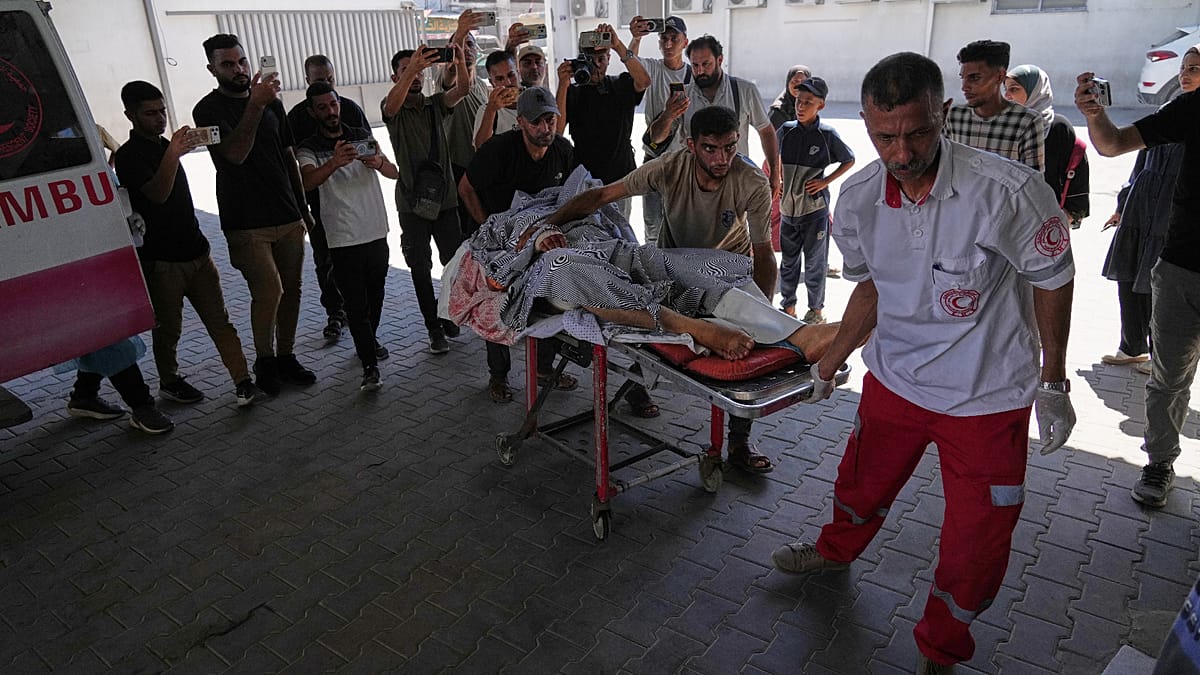
At least two people were killed and several others wounded in Israeli airstrikes that hit camps in the Gaza Strip on Monday, according to hospital and health officials. The strikes, which also destroyed a number of tents, underscore the continued volatility of the region despite ongoing diplomatic efforts.
Renewed violence amid fragile calm
The attacks occurred as international mediators, including European Union representatives, have been pushing for a durable ceasefire. The EU has repeatedly called for restraint and adherence to international humanitarian law, but the latest escalation suggests that a lasting peace remains elusive.
Witnesses reported that the strikes targeted areas where displaced families had sought shelter. The destruction of tents, which serve as makeshift homes for thousands of Palestinians, has exacerbated the already dire humanitarian situation in the enclave.
Regional and European reactions
European capitals have reacted with concern. In Paris, the Quai d'Orsay issued a statement urging all parties to avoid further civilian casualties. Berlin's foreign ministry echoed similar sentiments, emphasizing the need for a political solution. The European External Action Service has been in contact with both Israeli and Palestinian authorities to de-escalate tensions.
Meanwhile, the strikes have also drawn attention to the broader instability in the Middle East, which has implications for European security. The EU's High Representative for Foreign Affairs has called for an emergency meeting of member states to discuss the situation.
Humanitarian impact
Local health officials reported that the injured were transported to nearby hospitals, some in critical condition. The United Nations Relief and Works Agency (UNRWA) has warned that the destruction of tents will leave more families without adequate shelter, compounding the challenges of delivering aid in a conflict zone.
European humanitarian organizations have pledged additional support, but access to Gaza remains restricted. The EU has been a major donor to Palestinian relief efforts, and any disruption to aid flows could have severe consequences for the civilian population.
The latest violence comes amid a series of regional crises that have tested European diplomacy. From the war in Ukraine to tensions in the Balkans, the EU is navigating a complex geopolitical landscape. The situation in Gaza adds another layer of urgency to these efforts.
As the international community calls for restraint, the people of Gaza continue to bear the brunt of the conflict. The destruction of tents and the loss of life are stark reminders of the human cost of a dispute that has persisted for decades.
European Pulse will continue to monitor developments and provide analysis on the implications for Europe and the wider region.