Istanbul, a city straddling two continents, is redefining what luxury means for the modern traveller. Rather than relying solely on glitzy shopping malls or international hotel chains, the Turkish metropolis is weaving its deep Ottoman and Byzantine heritage into high-end experiences that feel both authentic and contemporary.
In the upscale Nişantaşı district, jewellery artist Sevan Bıçakçı—often called the “King of Rings”—exemplifies this trend. Using traditional techniques passed down through generations, he creates pieces that fuse Ottoman motifs with elements from the Eastern Roman Empire. His workshop attracts collectors from across Europe and beyond, drawn by the narrative embedded in each ring or pendant.
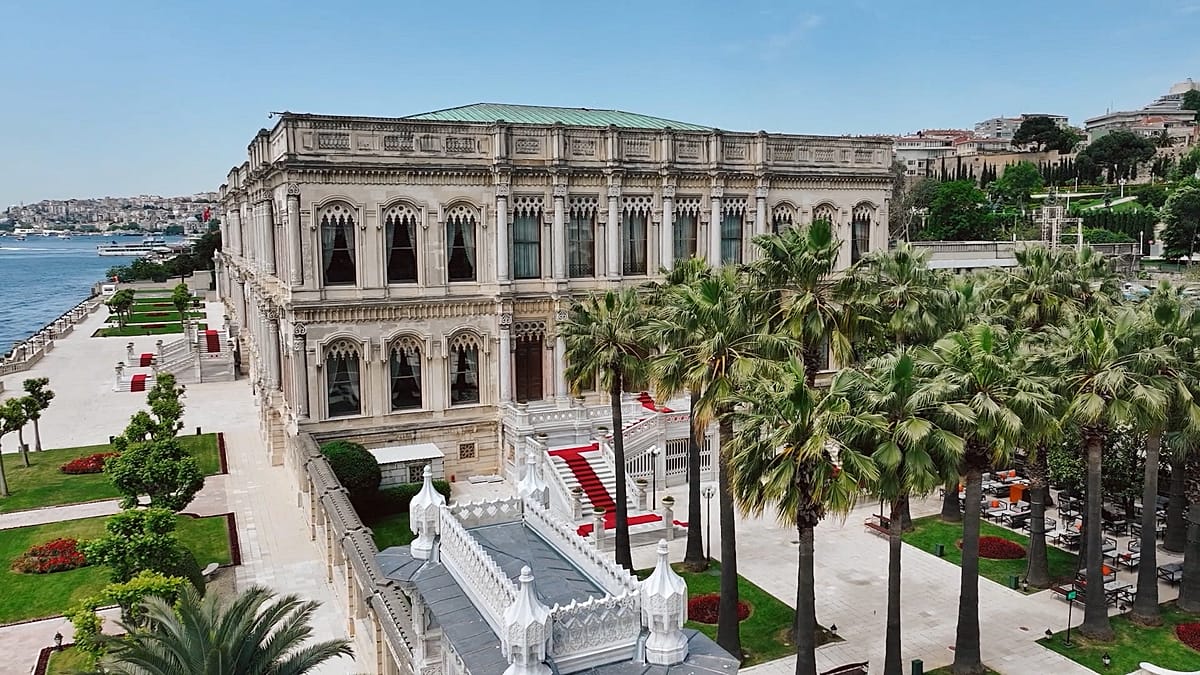
This royal legacy continues along the Bosphorus at the Çırağan Palace Kempinski, a former sultan’s residence that now operates as a five-star hotel. Guests can dine in halls that once hosted Ottoman dignitaries, with views of the waterway that separates Europe from Asia. The property preserves the elegance of the empire while offering modern amenities, a balance that appeals to discerning visitors.
Heritage as a Sensory Experience
Beyond palaces, Istanbul’s luxury scene is embracing ancient rituals. The 16th-century Zeyrek Çinili Hamam, meticulously restored, offers a traditional bathhouse experience in a setting that dates back to the Ottoman era. Its underground cistern now hosts contemporary art exhibitions, creating a dialogue between past and present. This blend of heritage and high-end design is not unique to Istanbul; across Europe, cities like Prague are seeing a surge in luxury property development that capitalizes on historical charm, as Prague leads Europe's luxury property surge.
The trend reflects a broader shift in the travel industry. Travellers increasingly seek experiences that offer cultural depth rather than mere opulence. Istanbul’s approach—rooting modern sophistication in its layered history—resonates with this demand. The city’s luxury hotels, such as the Four Seasons at Sultanahmet and the Raffles Istanbul, have also incorporated local design elements, from Iznik tiles to Ottoman-inspired architecture.
This reinvention extends to dining. High-end restaurants in Beyoğlu and Karaköy reinterpret Ottoman cuisine with contemporary techniques, using ingredients sourced from Anatolia. The result is a culinary scene that feels both rooted and innovative, attracting food critics from publications like Condé Nast Traveller, which recently named top new European hotels for 2026, though Istanbul’s offerings stand apart for their historical context.
For the informed traveller, Istanbul offers a luxury that is not just about comfort but about connection—to a city that has been a crossroads of civilizations for centuries. As European travellers increasingly value authenticity, Istanbul’s model may influence other destinations across the continent, from the Balkans to the Mediterranean.