With less than 40 days until the 2026 FIFA World Cup kicks off across North America, the tournament—set to be the largest in history with 48 teams and 104 matches—was expected to deliver a substantial economic boost to host nations. However, new data from the American Hotel & Lodging Association (AHLA) suggests the reality in the United States may be more nuanced.
The AHLA's latest FIFA World Cup 2026 Hotel Outlook warns that anticipated demand “has not translated into strong hotel bookings” and that domestic travellers are “outpacing” international visitors. The report identifies FIFA room block cancellations, international travel barriers, and rising costs as key drivers of softened hotel demand.
Uneven Impact Across Host Cities
Based on surveys of hoteliers across 11 host cities, 80% of respondents report bookings tracking below initial projections. While domestic travellers are filling rooms at typical summer levels, the anticipated surge of international visitors has yet to materialise at scale. This trend aligns with wider travel data showing global interest in the tournament rising but unevenly translating into confirmed trips, with structural barriers limiting conversion.
Visa constraints and geopolitical concerns are at the centre of the issue, with 65% to 70% of hoteliers surveyed identifying these factors as the primary impact on international demand. For a tournament that relies heavily on cross-border travel, particularly from Europe and Latin America, this presents a significant challenge. “Hotels across host markets have spent years preparing for the World Cup, and while there is real excitement, the data points to a more nuanced outlook,” said Rosanna Maietta, President and CEO of AHLA.
Another key factor is what the report describes as an “artificial early demand signal” created by FIFA room block allocations. Hotels had initially reserved large volumes of inventory for official tournament use, inflating early expectations. However, roughly half of respondents now report significant room releases back into the market, forcing a recalibration of demand forecasts.
The impact is being felt unevenly across host cities. In Kansas City, 85% to 90% of surveyed hotels report booking levels below expectations, with demand trailing even a standard summer without major events. Similarly weak signals are emerging in Boston, Philadelphia, San Francisco, and Seattle, where many operators describe the World Cup as effectively a “non-event” so far.
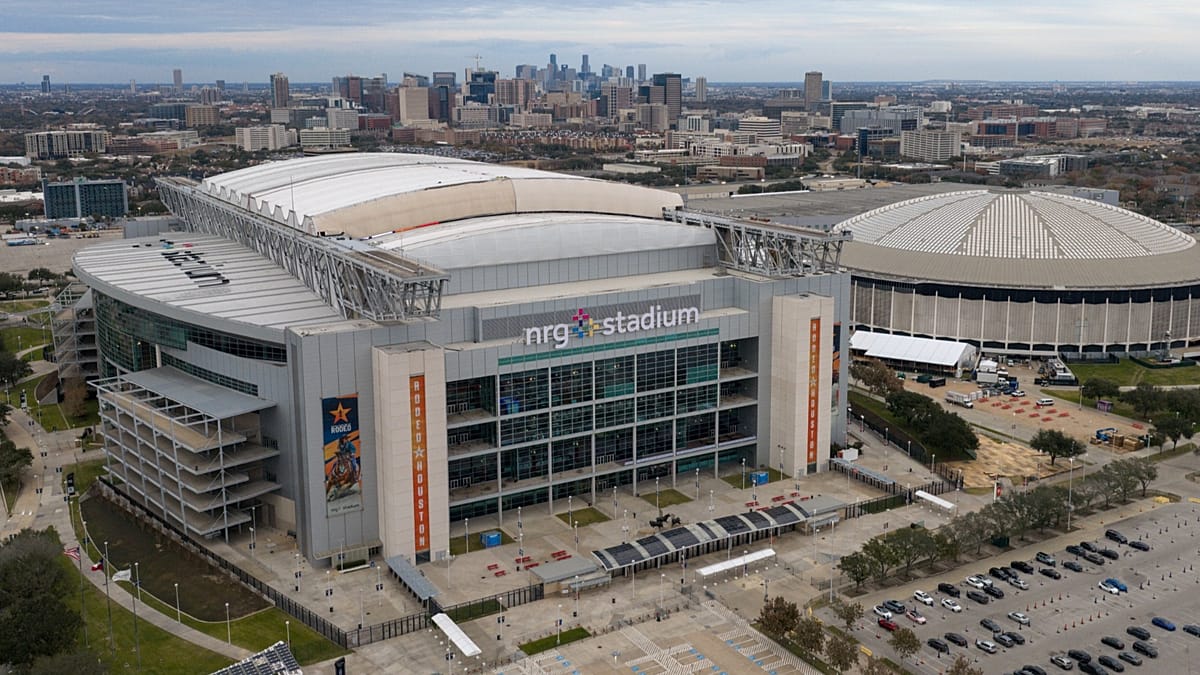
In contrast, a smaller group of destinations are seeing tangible gains. Miami and Atlanta are outperforming expectations, buoyed by strong leisure appeal, better air connectivity, and confirmed team base camps. These markets, AHLA notes, represent just 25% to 30% of respondents overall. Major gateway cities such as New York City and Los Angeles sit somewhere in the middle, with bookings softer than expected but broadly in line with typical summer demand. Dallas and Houston report a similar pattern, with around 70% of hotels tracking below World Cup projections despite maintaining steady baseline occupancy.
Maietta believes there is still “meaningful opportunity ahead”, but to fully realise that potential, the US and FIFA must ensure a “welcoming and seamless experience for international travellers”. She added: “That means avoiding unnecessary cost increases on visas and transportation to and from the games, and discouraging local jurisdictions from adding last-minute tax hikes that hurt the games and consumers.”
While the tourism picture is improving, benefits look uneven across North America. Analysis from Data Appeal and Mabrian, with PredictHQ, shows demand rising at different speeds, clustering in cities like Mexico City, Vancouver, and Boston, with air connectivity key to conversions. For European travellers, the situation underscores broader challenges in cross-border travel, as highlighted by recent reports on global press freedom and climate change impacts that affect international mobility.