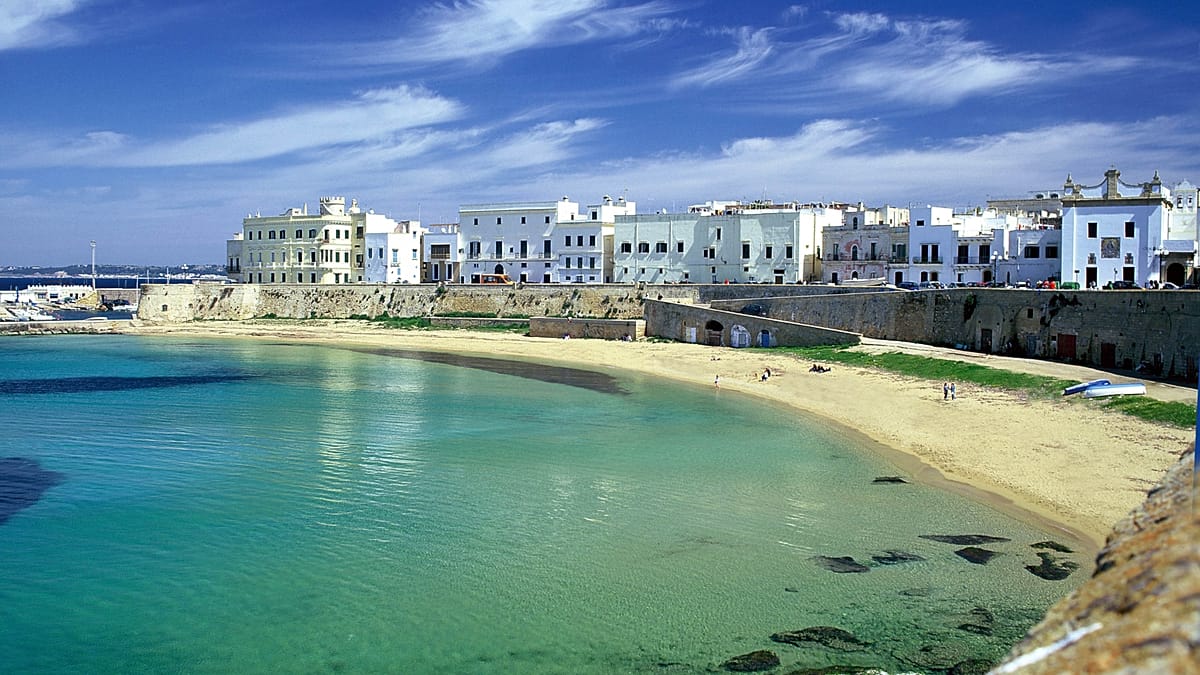
Italy has reinforced its position as Europe's premier beach destination, with the Foundation for Environmental Education (Fee) awarding Blue Flags to 525 of its beaches in 2026. The announcement, made at a ceremony in Rome on Thursday, includes 14 new entries and three delistings, reflecting a dynamic balance of environmental stewardship and tourism development.
Liguria retains the top spot among Italian regions with 35 Blue Flag locations, including two newcomers: Andora and Taggia. Puglia and Calabria follow closely with 27 each. Calabria's tally grew thanks to four new awards, while Puglia saw two additions offset by the loss of Patù and Castrignano del Capo. Campania and Marche remain stable at 20, joined by Tuscany, which gained Monte Argentario. Sardinia (17), Sicily and Abruzzo (16) round out the leading regions, while lakes keep Trentino Alto Adige (12) and Lombardy (4) on the map.
Italy now accounts for 11.6% of all Blue Flags worldwide, a share that underscores the country's commitment to coastal quality. The awards are not merely about pristine waters; they require municipalities to meet rigorous criteria including waste management, accessibility, green mobility, and the enhancement of natural areas. Water quality must have been rated 'excellent' for the past four years, exceeding legal standards.
Claudio Mazza, president of Fee Italia, emphasized that the results stem from deliberate planning rather than chance. 'The Blue Flag is a method of territorial governance, not just a prize,' he said. 'Sustainability Action Plans have been key in transforming how municipalities manage their coasts.'
The 2026 Blue Flag list welcomes Amendolara, Montegiordano, Falerna, and Locri in Calabria; Andora and Taggia in Liguria; Ispica and Lipari in Sicily; Morciano di Leuca and Tricase in Puglia; Rimini in Emilia Romagna; Limone sul Garda in Lombardy; Teulada in Sardinia; and Monte Argentario in Tuscany. The Lazio municipality of San Felice Circeo was not reconfirmed, alongside Patù and Castrignano del Capo in Apulia.
Italy's Blue Flag success mirrors broader European trends. Spain continues to lead the continent with 794 Blue Flag beaches, demonstrating the Mediterranean's dominance in coastal quality. However, Italy's focus on sustainability and governance sets it apart, as the award increasingly serves as a tool for long-term environmental planning.
For travelers, the Blue Flag remains a reliable indicator of clean, well-managed beaches. With 87 nautical tourist landings and 23 lake sites also recognized, Italy offers diverse options from the Adriatic to the Tyrrhenian and Alpine lakes. The new additions in Calabria and Sicily, in particular, highlight the growing appeal of southern Italy's coasts.
As Europe grapples with environmental challenges, Italy's Blue Flag program demonstrates how tourism and conservation can coexist. The emphasis on accessibility and green mobility aligns with broader EU sustainability goals, making these beaches not just pleasant but forward-looking destinations.