The Mediterranean's grip on the world's most prestigious beach certification tightened again in 2026, as Spain shattered its own record with 794 Blue Flag awards, according to the Foundation for Environmental Education (FEE). Greece held steady in second place with 657 total awards, underscoring the region's dominance in sustainable coastal tourism.
Spain's tally—677 for beaches and the remainder for marinas and tourist boats—represents a gain of 44 flags compared to 2025, when the country had 750 awards. The autonomous communities of Valencia, Andalusia, and Galicia led the charge, reflecting sustained investment in water quality, safety, and accessibility. This achievement comes amid broader efforts to balance tourism growth with environmental stewardship, a theme echoed in recent EU policy debates.
Greece and Italy Hold Their Ground
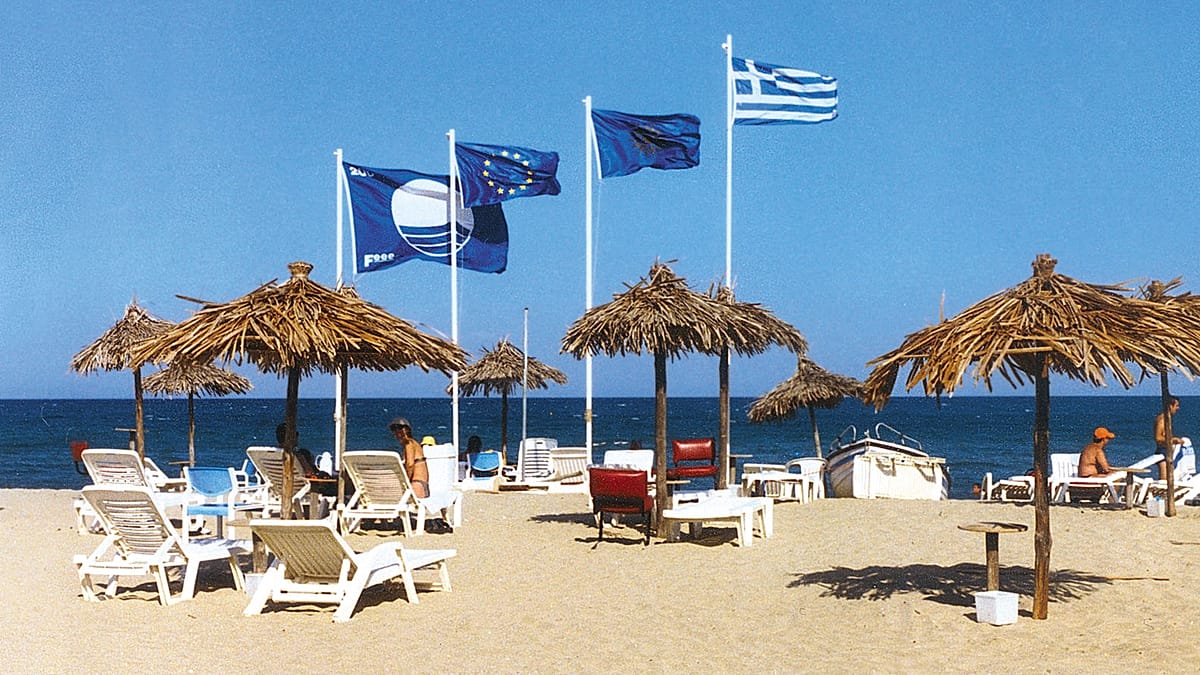
Greece retained its global runner-up position with 657 awards, of which 624 were for beaches. The prefecture of Halkidiki topped the national list with 93 flags, while the Region of Crete maintained its lead with 154 awards along its coasts. These numbers align with Greece's push to curb overtourism through spatial planning, as outlined in its new framework for sustainable investment.
Italy secured fourth place globally with 525 award-winning beaches, adding 14 new sites this season. The FEE ceremony in Rome on Thursday also recognized 87 nautical piers and 23 lakes. Italy's performance consolidates its leadership in coastal tourism, a sector that remains vital to its economy.
Turkey completed the top three with 625 eco-labels, driven by high compliance in major resorts like Antalya. Portugal followed in fifth with 438 Blue Flags—a slight dip from last year due to stricter controls and weather-related water quality issues. Portugal's awards included 396 beaches (350 coastal and 46 river beaches), 21 marinas, and 21 tourist boats.
What the Blue Flag Means
The Blue Flag, administered by the FEE, is one of the most recognized international symbols for coastal quality and sustainable tourism. Beaches are evaluated on strict criteria: water quality, safety and lifeguard services, accessibility, environmental protection, and cleanliness and waste management. The program awarded 4,378 beaches, 747 marinas, and 158 tourist boats worldwide in 2026.
Tourism analysts note that the Mediterranean's continued dominance reflects a strategic shift toward certified environmental standards, as travelers increasingly prioritize destinations with proven sustainability credentials. This trend is particularly relevant as Europe grapples with rising energy costs and the need for greener infrastructure—challenges that also affect travel logistics, such as the jet fuel crisis prompting alternative routes to Spain.
The rankings also highlight the economic stakes: countries like Spain, Greece, and Italy are leveraging Blue Flags to attract high-value tourists, even as broader geopolitical tensions—like the IEA's warnings on oil price volatility—threaten travel costs. For now, the Mediterranean's sandy stretches remain a beacon of quality and sustainability, setting a benchmark for the rest of the continent.