For the 26th consecutive year, London-based aviation rating agency Skytrax has released its list of five-star airlines, and once again, no European carrier has earned a place among the elite. The 2025 ranking includes ten airlines from Asia and the Middle East, underscoring a persistent gap in premium service standards across the continent.
Skytrax, which has been evaluating airlines since 1999, uses a rigorous audit system that assesses front-line quality across product and service categories. Unlike consumer review platforms, Skytrax relies on professional inspectors who evaluate everything from cabin crew professionalism and seat comfort to airport lounge functionality and check-in efficiency. A five-star rating does not require top marks in every category, but airlines must meet specific criteria across multiple areas to qualify.
European Airlines: A Missing Presence
The absence of European airlines from the five-star list is not new. No carrier from the European Union, the United Kingdom, Switzerland, or Norway has held the rating in recent years. While airlines like Lufthansa, Air France, and British Airways operate extensive global networks, they have consistently fallen short of Skytrax's top tier. The gap is particularly notable given Europe's role as a major aviation hub, with airports in Frankfurt, Paris Charles de Gaulle, and London Heathrow handling millions of passengers annually.
Industry analysts point to several factors. European carriers often face higher operational costs, stricter labor regulations, and legacy fleet challenges. In contrast, many Asian and Middle Eastern airlines benefit from state backing, modern fleets, and a focus on long-haul premium travel. The rise of low-cost carriers within Europe has also shifted consumer expectations, making it harder for full-service airlines to justify the investment needed for five-star service.
Meanwhile, the European Union has been active in regulating airline practices. In a recent move, the EU banned airlines from adding fuel surcharges after ticket purchase, a policy aimed at increasing price transparency. Such regulations, while consumer-friendly, can add compliance costs for carriers.
The 2025 Five-Star Airlines
The ten airlines listed alphabetically are:
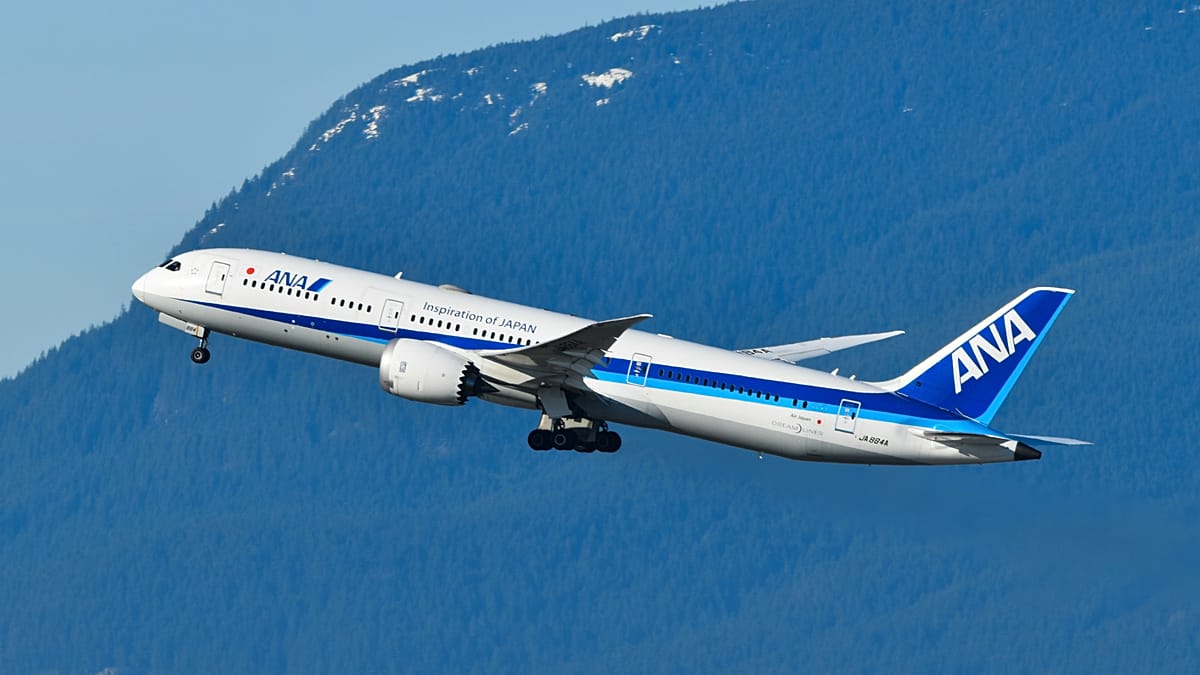
- All Nippon Airways (Japan) – 13th consecutive year; praised for consistent high-quality service and understanding of diverse global customer needs.
- Asiana Airlines (South Korea) – Recognized for airport and onboard product, staff service, and efficiency at Incheon Airport. Asiana is set to merge with Korean Air by end of 2026.
- Cathay Pacific Airways (Hong Kong) – Lauded for its hub at Hong Kong International Airport, onboard product, and staff service across cabin and ground.
- EVA Air (Taiwan) – 11th consecutive year; commended for flight safety, cabin crew professionalism, cleanliness, business class amenities, and ground services.
- Hainan Airlines (China) – Noted for product and service standards in economy and business class, in-flight dining, and attentive service at key hubs.
- Japan Airlines (Japan) – Fifth consecutive year; attributed award to industry-leading safety, sustainability, and guest experience.
- Korean Air (South Korea) – Praised for consistent quality, professional cabin crew, and excellent onboard product across all classes.
- Qatar Airways (Qatar) – One of the first five-star airlines; maintains global leadership with high product and service standards.
- Singapore Airlines (Singapore) – Delivers superlative standards on long-haul and regional flights; Changi Airport cited as key to its success.
- STARLUX Airlines (Taiwan) – Despite only six years of operation, earned the rating for its offering across three cabin classes and cabin crew performance.
The dominance of Asian and Middle Eastern carriers reflects broader trends in global aviation. These airlines have invested heavily in premium cabins, lounges, and service training, often with government support. For European carriers, catching up would require significant investment and a shift in strategic priorities.
However, the European aviation landscape is not without its own strengths. The continent remains a leader in safety standards, with the European Union Aviation Safety Agency (EASA) setting rigorous benchmarks. Recent warnings from EASA about potential jet fuel shifts highlight the agency's proactive role. Additionally, European airlines excel in connectivity and network efficiency, particularly for short-haul routes within the continent.
For now, the five-star list serves as a reminder of the gap between Europe's major carriers and their Asian and Middle Eastern competitors. As the industry evolves, European airlines may need to rethink their approach to premium service if they hope to reclaim a spot among the world's best.