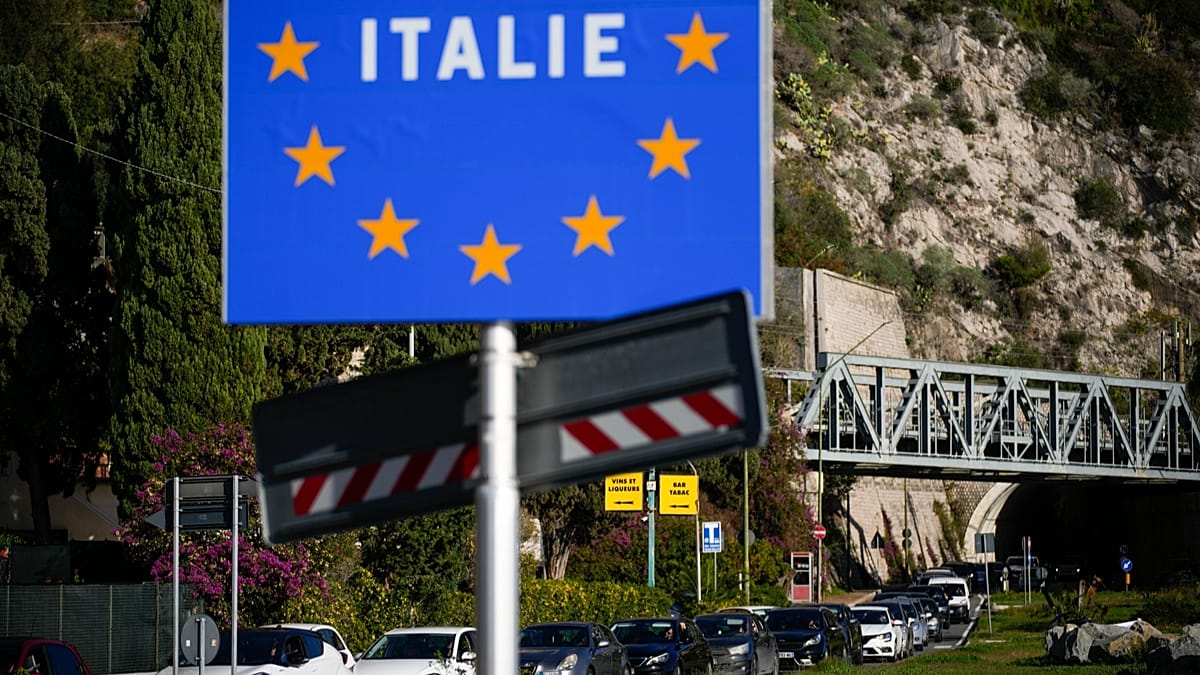
Italy has announced a further 15-day extension of temporary border controls with Spain, keeping in place the suspension of the Schengen free-movement rules that was introduced after a mass influx of migrants into the Spanish enclave of Ceuta. The decision, confirmed by the Interior Ministry in Rome, means that travellers arriving from Spain will continue to face checks at Italian air and sea borders until at least mid-September.
In a statement, the ministry said the government is formally notifying the European Commission of the extension, which will apply to all entry points from Spain. The move follows a phone conversation between Italian Interior Minister Matteo Piantedosi and his Spanish counterpart, Fernando Grande-Marlaska, which the ministry described as “constructive.”
Ceuta remains under strain
The original suspension was triggered by the arrival of an estimated 72,000 migrants in Ceuta last month, many of them Moroccan nationals who crossed the border in a single wave. Although the immediate surge has subsided, Piantedosi told Italian state broadcaster TG1 that the situation in the enclave is “anything but improved,” with between 5,000 and 10,000 irregular migrants still present in the city. He said the decision to extend the checks was taken after a “calm assessment” of the conditions on the ground.
The Italian minister stressed that the controls apply only to third-country nationals and do not affect Italian, Spanish, or other European citizens. He also reiterated that Rome has no intention of escalating tensions with Madrid, describing the measure as a temporary and proportionate response to an ongoing challenge at the EU’s external border.
Spain, however, has reacted sharply. Foreign Minister Manuel Albares called the Italian move “an unjustified and unjustifiable affront to the dignity of Spaniards,” suggesting that it was motivated by domestic political considerations rather than genuine security concerns. The Spanish government has previously accused Italy of undermining European solidarity, and the dispute has added a new layer of friction between two EU member states that are often on the same side in migration debates.
The extension comes as Ceuta continues to grapple with the aftermath of the migrant surge. Local authorities have reported rising tensions between migrants and residents, with anti-migrant protests breaking out in recent weeks. Humanitarian groups have also warned of deteriorating conditions, and there have been clashes over aid deliveries to migrant camps. Spain has called for EU border reinforcements to help manage the pressure, but so far Brussels has offered only limited support.
Italy’s decision to keep the border checks in place is a reminder of how quickly migration can strain relations within the Schengen area. The suspension, which was first imposed in late July, was due to expire on 31 August. Piantedosi said the government would make a final decision on that day, but the new extension suggests that Rome sees little immediate improvement in Ceuta.
The move also highlights the broader challenges facing the EU’s border-free zone. While Schengen remains a cornerstone of European integration, member states have increasingly resorted to temporary internal border controls in response to migration, security, and health crises. Italy’s action is the latest in a series of such measures, and it has reignited debate about the balance between national sovereignty and collective European responsibility.
For now, travellers between Spain and Italy should expect delays at airports and seaports, as Italian authorities carry out identity checks on arrivals. The extension is set to last 15 days, but given the volatile situation in Ceuta, further renewals cannot be ruled out.