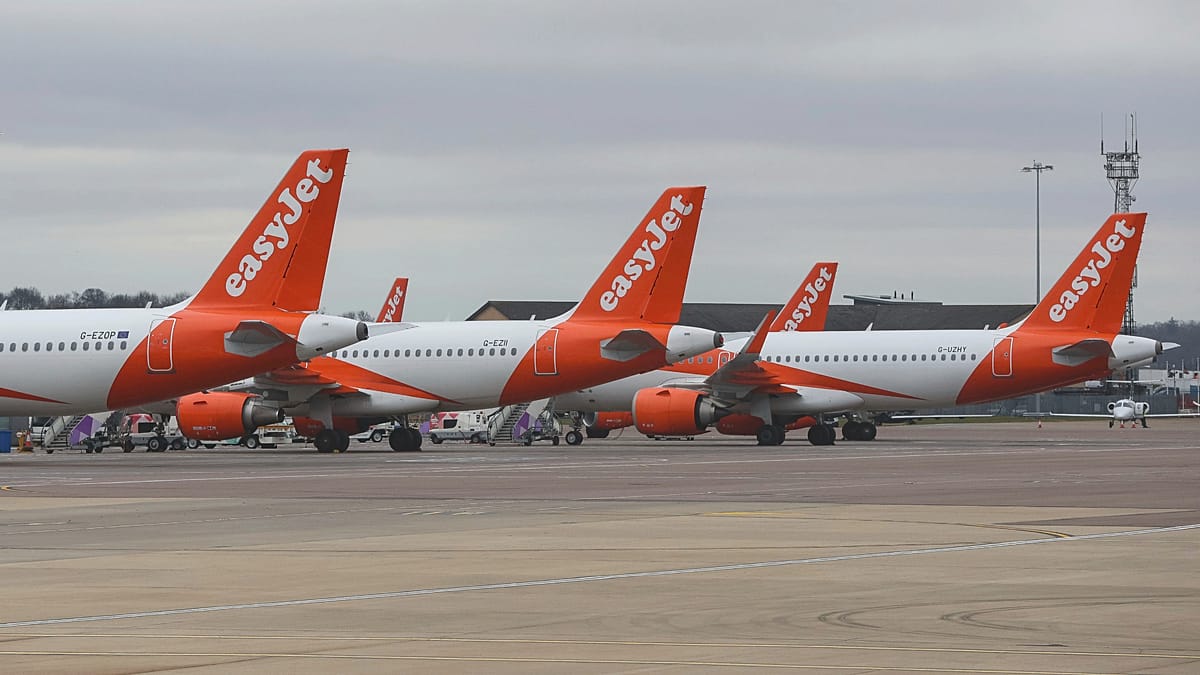
Italy's antitrust authority, the Autorità Garante della Concorrenza e del Mercato (AGCM), announced on Tuesday that it has launched a formal investigation into EasyJet Airline Company Limited over allegations of unfair commercial practices. The probe focuses on how the low-cost carrier structures and displays baggage fees on its website and mobile app, with the regulator claiming that passengers were routinely given a distorted picture of what they were actually paying.
According to the AGCM, EasyJet's platform automatically set bundled checked baggage and sports equipment for round trips as the default option, presenting only an overall average price for the service—even when customers had no intention of purchasing it for both legs of their journey. The regulator contends that anyone wishing to add luggage for just one leg was forced to interrupt the booking process to override this setting, a step most consumers would be unlikely to notice or navigate.
Consumer Choice Under Scrutiny
The investigation will assess whether EasyJet's booking system created unclear pricing conditions and limited consumers' ability to make fully informed choices. The AGCM has not yet set a timeline for the probe, but such cases typically take several months to conclude. At the time of writing, EasyJet has not publicly commented on the case.
This is not the first time EasyJet has faced scrutiny from Italian authorities. In May 2021, the AGCM imposed a €2.8 million fine on the airline, alongside Ryanair and Volotea, after all three failed to offer cash reimbursements for flights cancelled when Italy lifted its COVID-19 travel restrictions, issuing vouchers instead. EasyJet appealed, but the Lazio Regional Administrative Court in Rome rejected the challenge in February 2025.
The AGCM has shown no hesitation in pursuing the sector more broadly. In December 2025, it fined Ryanair €255 million for abusing its dominant position in air travel to and from Italy. The Italian authority concluded that the carrier had deployed an "elaborate strategy" to obstruct travel agencies from purchasing its flights, including through facial-recognition checks, payment blocks, and mass account deletions—a ruling Ryanair immediately vowed to appeal.
These actions come amid broader European efforts to improve transparency in travel booking. The EU's recent push for a single ticket system aims to simplify cross-border rail bookings, addressing similar concerns about opaque pricing and consumer confusion. Meanwhile, EasyJet has faced other headwinds, with recent losses widening due to rising fuel costs linked to geopolitical tensions.
The AGCM's investigation underscores a growing regulatory focus on how airlines present ancillary fees—a trend that could reshape pricing practices across the continent. For now, EasyJet's customers in Italy and beyond will be watching closely to see whether the carrier adjusts its booking interface or faces further penalties.