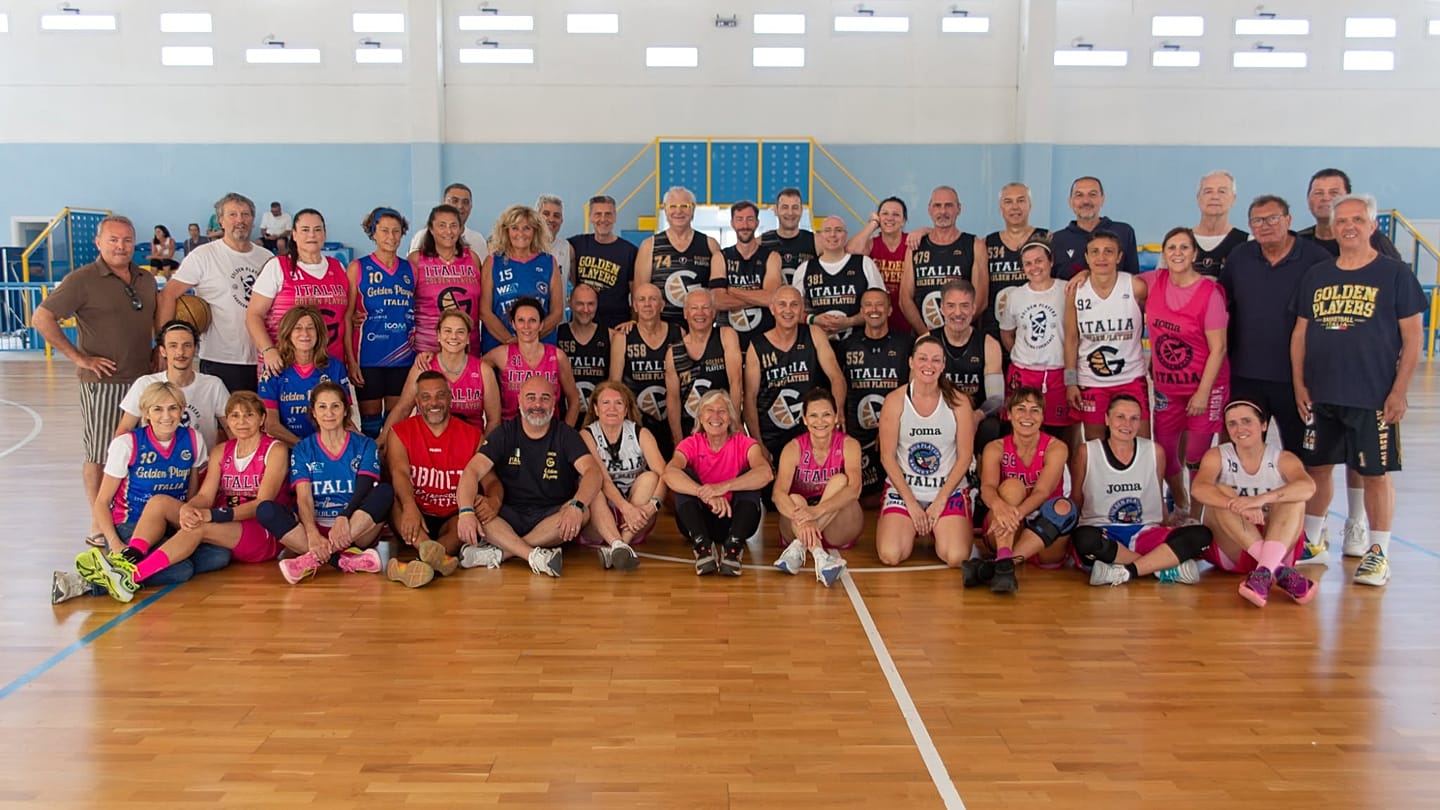
In Italy, a growing movement of veteran basketball players is challenging assumptions about age and athletic performance. Known as the Golden Players, these men and women—ranging from 40 to 70 years old—are preparing to compete at the FIBA Masters Open in Corinth, Greece, this July. Their participation is not just a sporting achievement; it is also providing scientists with valuable data on how regular exercise can shape the way we age.
From Local Courts to International Competition
The Golden Players represent a network of amateur teams across Italy, from Milan to Palermo, where basketball remains a lifelong passion. Many started playing in their youth and never stopped, while others took up the sport later in life. The FIBA Masters Open, a global tournament for veteran players, offers them a stage to compete against peers from other countries. For Italy's squads, the event is a chance to showcase the country's deep basketball culture and its commitment to active ageing.
Italy's ageing population—one of the oldest in Europe—makes such initiatives particularly relevant. With a median age of 47, the country faces challenges in healthcare and social systems, but also opportunities to rethink retirement and physical activity. The Golden Players exemplify how sport can foster community, mental sharpness, and physical resilience well beyond traditional retirement age.
Science Behind the Game
Researchers from Italian universities, including the University of Bologna and the University of Rome Tor Vergata, are studying the Golden Players to understand the physiological and cognitive benefits of sustained athletic activity. Early findings suggest that regular basketball training improves cardiovascular health, bone density, and reaction times, even in participants over 60. The studies also examine social factors, such as how team sports reduce isolation and boost mental well-being.
Dr. Elena Rossi, a gerontologist at the University of Bologna, notes: “These athletes are not outliers; they are proof that structured physical activity can mitigate many age-related declines. Their data helps us design better programmes for the general population.” The research aligns with broader European efforts to promote healthy ageing, as seen in initiatives like the EU's Active Ageing Index.
A Broader European Context
Italy's Golden Players are part of a wider trend across Europe. Similar veteran basketball leagues exist in Spain, France, and Germany, with national federations supporting age-group competitions. The FIBA Masters Open itself attracts teams from across the continent, including from the UK, Switzerland, and the Balkans, reflecting a shared commitment to lifelong sport. This movement also ties into Europe's focus on preventive health, as countries like Italy and Greece face rising healthcare costs from an ageing demographic.
Meanwhile, Italy's appeal to affluent retirees—as noted in recent reports about millionaires moving to Italy, Greece, and Switzerland—highlights the country's broader efforts to attract and retain active older populations. The Golden Players embody this trend, showing that age need not be a barrier to competitive sport or vibrant community life.
Looking Ahead
As the Golden Players head to Corinth, they carry with them not only national pride but also a message about the potential of later-life athleticism. Their journey underscores a simple truth: staying active, engaged, and connected can transform how we experience ageing. For Italy and Europe, that lesson is both timely and essential.