Japan is quietly preparing for a future that may not revolve entirely around Tokyo. Lawmakers have approved a bill to establish at least one additional political and economic hub, a so-called 'second capital' that would serve as a backup in case the current capital is incapacitated. The initiative is driven by disaster preparedness: Japan faces a roughly 70% chance of a magnitude-seven earthquake striking the Tokyo metropolitan area within the next three decades, according to Bloomberg. The government also wants to reduce the 'overconcentration' of people, businesses, and infrastructure in the capital, offering tax incentives and investment in transport links to the chosen cities.
For travellers, this development is a reminder that Japan's urban landscape extends far beyond Tokyo. The shortlist of candidates—Osaka, Fukuoka, Nagoya, and Sapporo—each brings its own character, history, and appeal. Here's a closer look at why these cities are in the running and what they offer visitors.
Osaka: Japan's kitchen and commercial heart
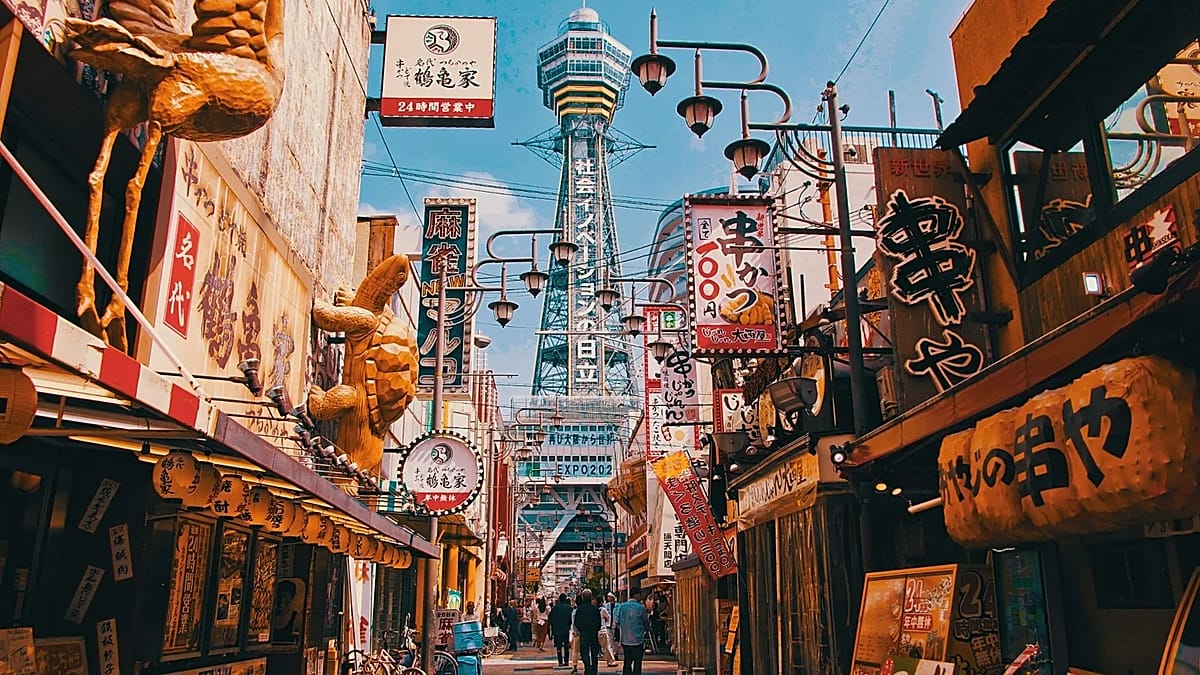
Just a short Shinkansen ride from Tokyo, Osaka has long been the country's commercial counterweight. Its reputation as a food lover's paradise is well earned: local specialities include iwa okoshi, a candied millet snack dating back to 1185, as well as okonomiyaki savoury pancakes and the octopus-filled takoyaki balls. The city's street food scene has earned it the nickname 'Japan's kitchen', a title that resonates with both locals and visitors. Beyond the culinary delights, the neon-lit Dotonbori district and the observatory deck of Tsutenkaku Tower offer panoramic views of the city's vibrant streets.
Fukuoka: coastal charm and historic canals
On the northern coast of Kyushu, Fukuoka combines sandy beaches, mountain trails, and a relaxed pace. The Dazaifu Tenmangu shrine is famous for its 6,000 plum trees that bloom in spring, followed by cherry blossoms and tulips. A more unusual attraction is the canal city of Yanagawa, where oarsmen guide visitors in long narrow boats, reciting poems by Meiji-era poet Hakushu Kitahara. The leisurely ride takes just over an hour and offers a unique perspective on the town's waterways and traditional architecture.
Nagoya: castle town with a storied past
Nestled between Tokyo and Osaka, Nagoya is home to one of Japan's largest castle tower keeps. Nagoya Castle, completed in 1612, was destroyed during the war in 1959 but has undergone extensive reconstruction, including the Hommaru Palace, which took a decade to restore. Inside the keep, a museum details the site's history, and in spring the surrounding grounds are covered in cherry blossoms. Entry costs ¥500 (€2.75) for adults, with free admission for secondary school students and younger visitors.
Sapporo: Hokkaido's young metropolis
Sapporo, the largest city on the northern island of Hokkaido, is one of Japan's youngest major cities—its population stood at just seven people in 1857. Today, it is known for its lush summer greenery, abundant winter snow (annual snowfall often exceeds five metres), and a thriving ramen culture. The city's annual snow festival, which began in 1950, takes place every February across three sites: Odori, Susukino, and Tsu Dome, drawing millions of visitors to see elaborate ice and snow sculptures.
The choice of a second capital is not just a matter of administrative convenience; it reflects a broader European-style debate about decentralisation and resilience. As Japan looks to spread risk and opportunity, these cities are likely to see increased investment and attention. For travellers, that means more reasons to explore beyond the familiar Tokyo–Kyoto–Osaka circuit. Whether it's the food of Osaka, the coastal calm of Fukuoka, the historical depth of Nagoya, or the seasonal extremes of Sapporo, Japan's backup capital candidates offer a compelling case for a longer itinerary.
For those planning a trip, the ongoing developments may also bring improved transport links and new attractions. As the Japanese government finalises its decision, these cities are already positioning themselves as hubs for business and culture. The race is on, and the winner will not only gain official recognition but also a place in the country's future resilience strategy.