A fresh assessment of the world's safest cities for travellers in 2027 puts Montreal at the top, but Europe claims nine of the 15 spots, underscoring the continent's reputation for secure urban travel.
The ranking, compiled by insurance firm Berkshire Hathaway Travel Protection, drew on a survey of more than 1,500 travellers who had visited any of 38 major international and domestic cities. Their first-hand experiences were combined with safety indices from Numbeo and The Economist, as well as ratings from GeoSure Global, to produce a composite score.
The company cautions that the results reflect conditions at the time of the survey in August 2026, so they do not account for any developments since then. Still, the list offers a useful snapshot of where travellers can feel most at ease in the coming year.
European cities lead the way
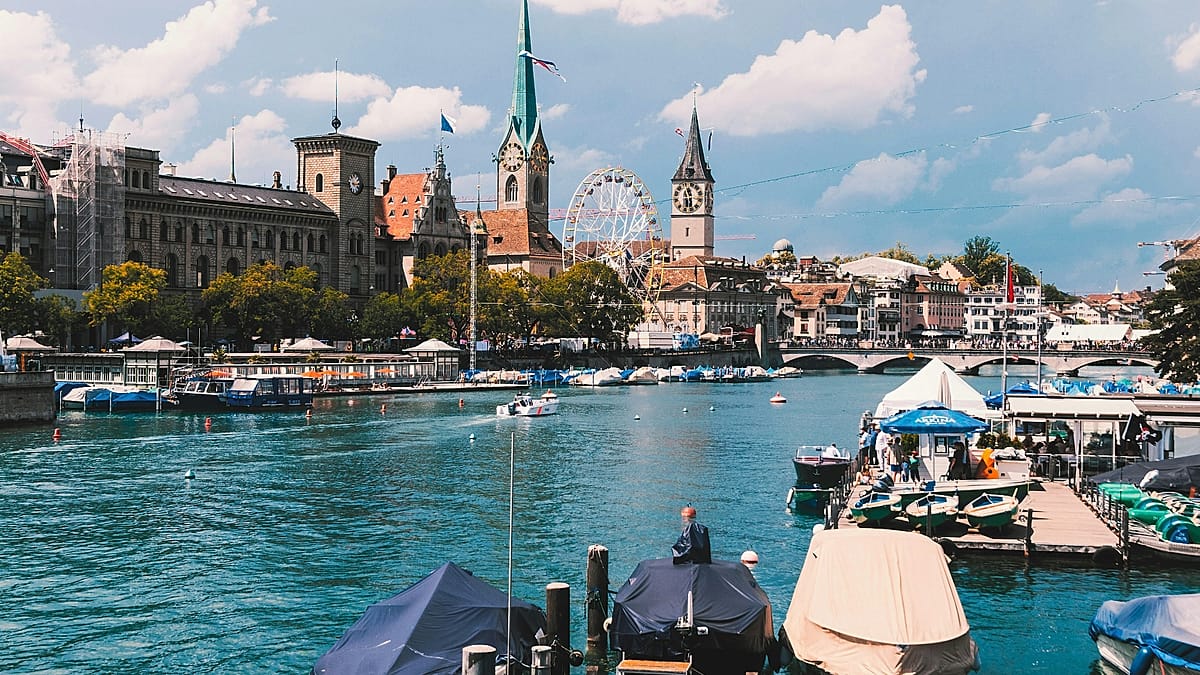
Zürich climbs to second place globally, up from third in the 2026 ranking, with a score of 81.03. The Swiss city's conservative character and high prices keep it off the typical tourist trail, which paradoxically enhances its safety. The report notes that its clean and efficient public transport makes it "as secure as a Swiss bank." Travellers are advised to carry some Swiss francs, even though the country is largely cashless, because Switzerland remains outside the eurozone.
Amsterdam takes third place with 80.81 points, moving up from fourth. Despite its reputation as a leisure destination—where visitors stroll along canals, dodge bicycles, and admire Rembrandt's masterpieces—the Dutch capital is described as "surprisingly" safe. For those interested in the artist's legacy, Rembrandt's art is now available as permanent tattoos in the city, a quirky addition to its cultural offerings.
Reykjavik, which topped the 2026 list, now sits in fifth place with 78.90 points. The Icelandic capital is praised for being "small enough to almost not have neighbourhoods," which contributes to its secure atmosphere.
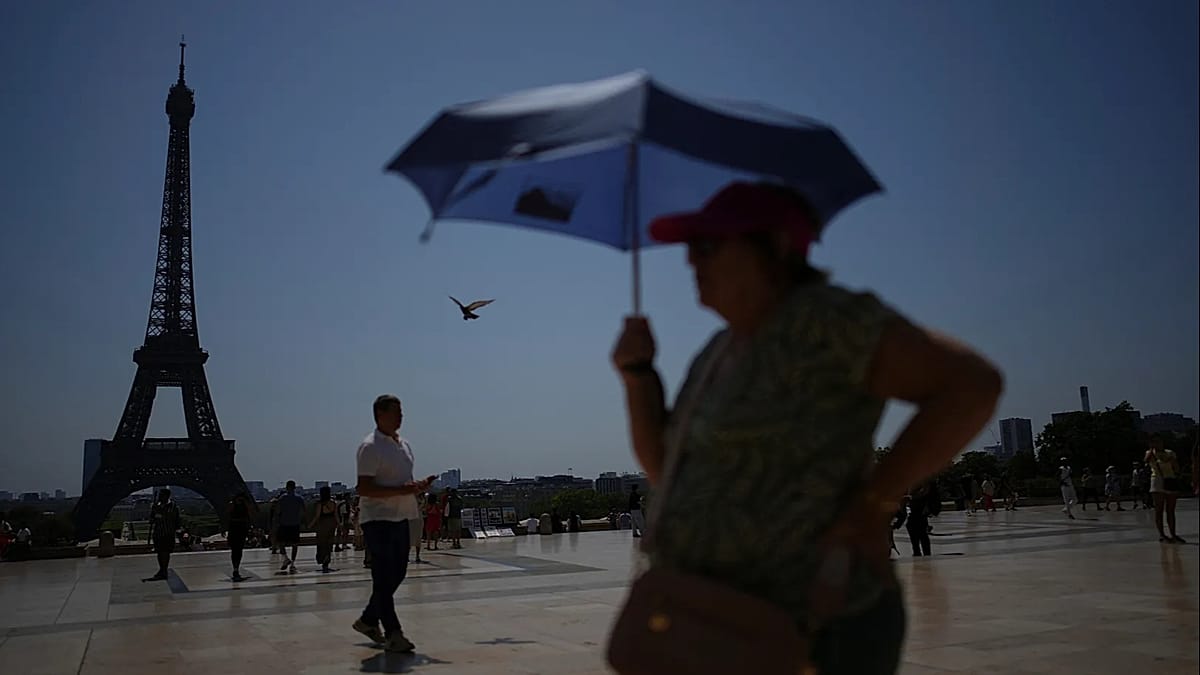
Other European cities in the top 15 include Oslo (sixth), Venice (eighth), Dublin (11th), Copenhagen (12th), Barcelona (13th), and Paris (15th). This strong showing reflects a broader trend of European destinations being perceived as safe, even as some face challenges like overtourism or social unrest. For instance, Italy recently experienced nationwide strikes over living costs and arms spending, yet Venice still ranks highly for traveller safety.
The list also features Tokyo (fourth), Singapore (seventh), Sydney (ninth), Honolulu (tenth), and San Francisco (14th), showing that safety is a global concern.
While the ranking focuses on traveller safety, it also highlights the importance of being prepared for local conditions. For example, in Zürich, currency exchange is a practical consideration, and in Montreal, traffic congestion is the main worry. The report notes that crossing the bridges over the Saint Lawrence River can be a challenge, especially when roads are under construction, which is almost always the case.
For European travellers, the results offer reassurance that many of the continent's most beloved cities remain safe destinations. Whether you're planning a cultural trip to Barcelona or a business visit to Copenhagen, the risk of serious safety incidents is low, though common sense and awareness are always advisable.
The full ranking for 2027 is as follows: Montreal (1), Zürich (2), Amsterdam (3), Tokyo (4), Reykjavik (5), Oslo (6), Singapore (7), Venice (8), Sydney (9), Honolulu (10), Dublin (11), Copenhagen (12), Barcelona (13), San Francisco (14), and Paris (15).