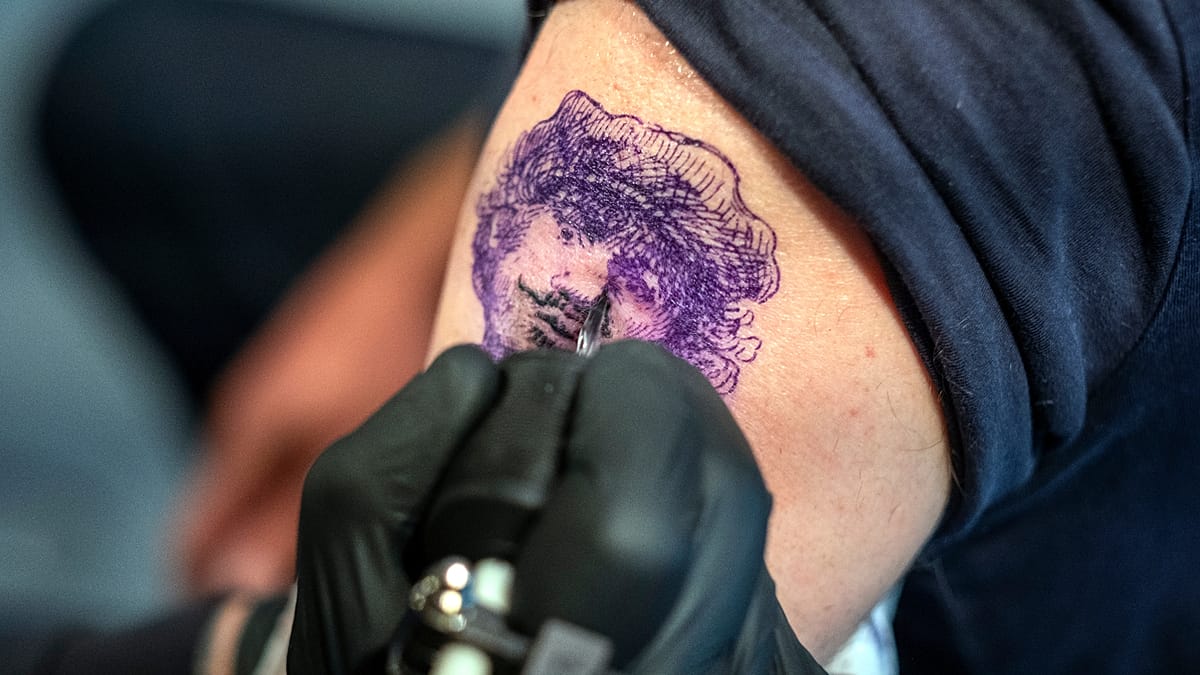
In a city where art and history are as permanent as the canals themselves, Amsterdam's Rembrandt House Museum has found a new way to let visitors take home a piece of the Dutch Golden Age: tattoos. The museum, located in the very building where Rembrandt van Rijn lived and worked for nearly two decades, now offers guests the chance to have his iconic imagery inked onto their bodies.
The project, which began as a temporary experiment, has proven so popular that it has become a regular feature. Visitors can choose from a selection of designs drawn from Rembrandt's paintings, etchings, and drawings—ranging from his famous self-portraits to the intricate details of his biblical scenes. Each design is rendered in the artist's distinctive style, with bold lines and dramatic chiaroscuro that translate surprisingly well into tattoo art.
Art and ink: a natural pairing
The museum's director, Milou Halbesma, explained the thinking behind the initiative: "Rembrandt was an innovator, always experimenting with technique and pushing boundaries. Tattoos are a modern form of self-expression, and we wanted to connect that with his legacy. It's a way for people to engage with art on a deeply personal level."
The tattoos are applied by professional artists from a local studio, who work in a dedicated space within the museum. The process is carefully managed to ensure authenticity: each design is based on high-resolution scans of the original works, and the tattoo artists receive guidance from museum curators to capture the essence of Rembrandt's style.
For many visitors, the appeal lies in the permanence. "I've bought prints and postcards before, but this is different," said a tourist from Berlin, who had just received a small etching of Rembrandt's Self-Portrait with Two Circles on her forearm. "It's like I'm carrying a piece of history with me forever."
The museum has also embraced the educational angle. Each tattoo session is accompanied by a brief talk about the artwork's history and significance, turning a simple tattoo appointment into a mini art lesson. This approach has resonated with younger audiences, who are increasingly seeking immersive cultural experiences.
Amsterdam is no stranger to blending tradition with modernity. The city's museums have long experimented with interactive exhibits and digital installations. The tattoo project, however, takes this a step further, making art a literal part of the visitor's identity.
The initiative has also sparked conversations about the commodification of art. Some critics argue that tattoos trivialize masterpieces, but the museum counters that it's a form of homage. "Rembrandt was a master of capturing the human condition," Halbesma said. "What could be more human than choosing to wear his art on your skin?"
For those who prefer a less permanent souvenir, the museum still offers traditional prints and reproductions. But for the growing number of visitors who want a truly unique memento, the tattoo parlor inside the Rembrandt House is becoming a destination in its own right.
As the project gains attention, other European museums are watching closely. The idea of merging high culture with body art could soon spread to other historic sites, from the Rijksmuseum to the Louvre. For now, though, Amsterdam remains the place where Rembrandt's legacy is literally skin deep.