Antoine de Saint-Exupéry once wrote in The Little Prince: “It is lonely when you're among people, too.” That sentiment echoes through Wicker, a new film that takes a folk tale about a woman who orders a husband made of osier and turns it into a meditation on loneliness, conformity, and the quiet rebellion of choosing your own path.
The story centres on a Fisherwoman, played with her usual brilliance by Olivia Colman. She lives in a small, unnamed village where everyone is identified by their trade or marital status. The villagers mock her for her smell and her shabby clothes, and she is largely shunned. Worse, she has no patience for the town's archaic rituals, especially those around marriage. In this community, a wedding means a collar placed around the woman's neck, and the love the villagers profess feels to her “more a burden than a prize.”
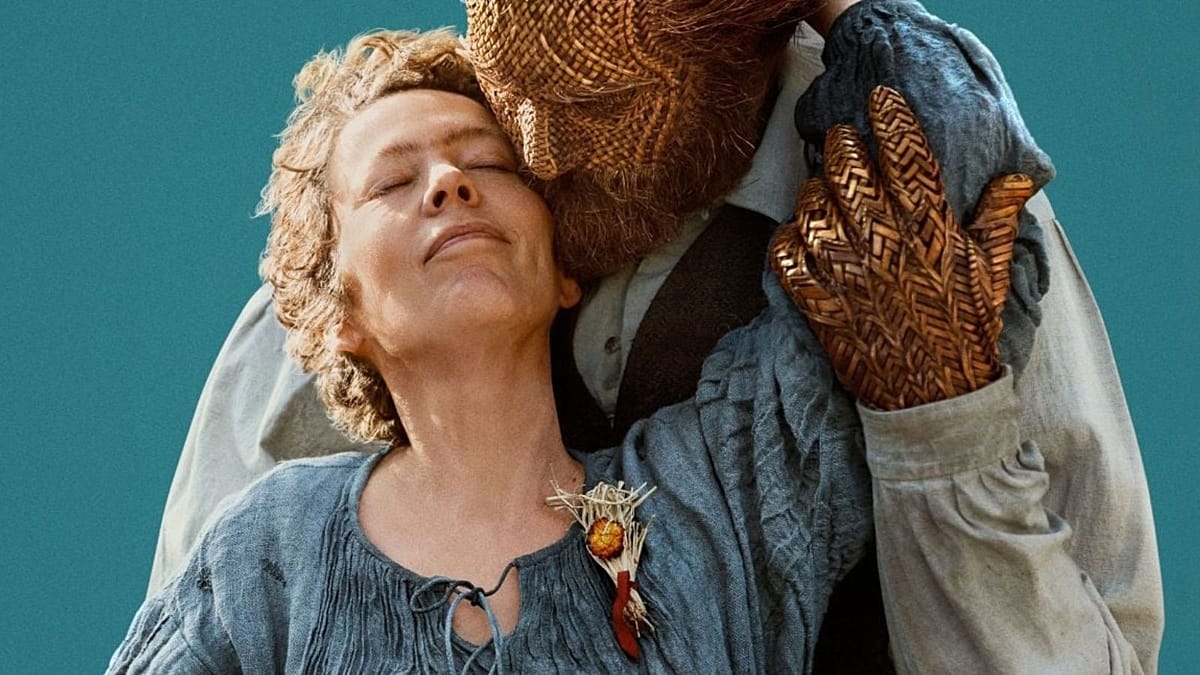
Lonely and tired of the passive-aggressive remarks from the Tailor's Wife (Elizabeth Debicki), she ventures into the woods to see the Basket Weaver (Peter Dinklage) and commissions a husband. A month later, she meets her strange new partner: a Wicker Husband, played by Alexander Skarsgård. He is an imposing yet gentle figure, entirely woven from willow, and surprisingly handsome. The village women are intrigued, and the new couple quickly becomes the talk of the town.
What follows is a tale that is frequently amusing and surprisingly sweet-natured. Despite what the viral trailers might suggest, Wicker is not a raunchy sexcapade. Directors Alex Huston Fischer and Eleanor Wilson, adapting Ursula Wills' short fable, do indulge in some sauciness, but their real interest lies in exploring how social conventions can shackle happiness. The Wicker Husband is attentive, kind, and, well, vigorous – so much so that the Fisherwoman's bed needs constant repairs. The film wisely avoids answering the obvious question about splinters; in this magical world, such concerns simply don't exist.
A fable about emancipation and collective repression
As the couple's bliss grows, the local men become insecure about the standards being raised, the women begin to question their own domestic perfection, and the Tailor's Wife, the unfulfilled queen bee, schemes to restore the old order. The film becomes a pointed commentary on how pervasive misogyny and accepted social limitations can poison happiness. It's a theme that resonates far beyond the village, touching on the pressures that women across Europe and elsewhere still face to conform to traditional roles.
Colman anchors the film's initial outlandishness with palpable sincerity, grounding the whimsy in real emotion. Skarsgård excels in a role that might seem simple but requires subtlety. He is not just “fuckable furniture” but a being, like Pinocchio, who can choose his own character. The design work from Wētā Workshop is superb, using practical effects and prosthetics that allow Skarsgård to tread the line between creature and man with a soulful core.
Where Wicker stumbles is in its reluctance to fully commit to its own weirdness. The premise is ripe for a darker, more offbeat execution, and while the film avoids saccharine pitfalls, it settles for a more conventional path in its second half. A tragic moment of impulsiveness, during which Colman shines, hints at the Brothers Grimm potential that the film ultimately undercuts by embracing a happy ending. The musings on the necessary impermanence of love feel slightly betrayed.
The finale does deliver a thorny morality tale that is wickedly delightful, but a bolder, more heart-wrenching unravelling could have made Wicker more impactful. Some cast members, like a cameoing Richard E. Grant, are underused, and Dinklage's soliloquies don't quite land, despite a promising opening voice-over about a fish in the Arctic Sea that sees its own reflection and meets a tragic end.
For a film about a woman who refuses to dance to the accepted choreography, you wish the film had taken one final risk. Wicker settles for being an entertaining and charming fairytale, which is no bad thing. But a stranger and darker fable was within reach. If you're looking for more cultural picks this week, check out our roundup of European cultural highlights.