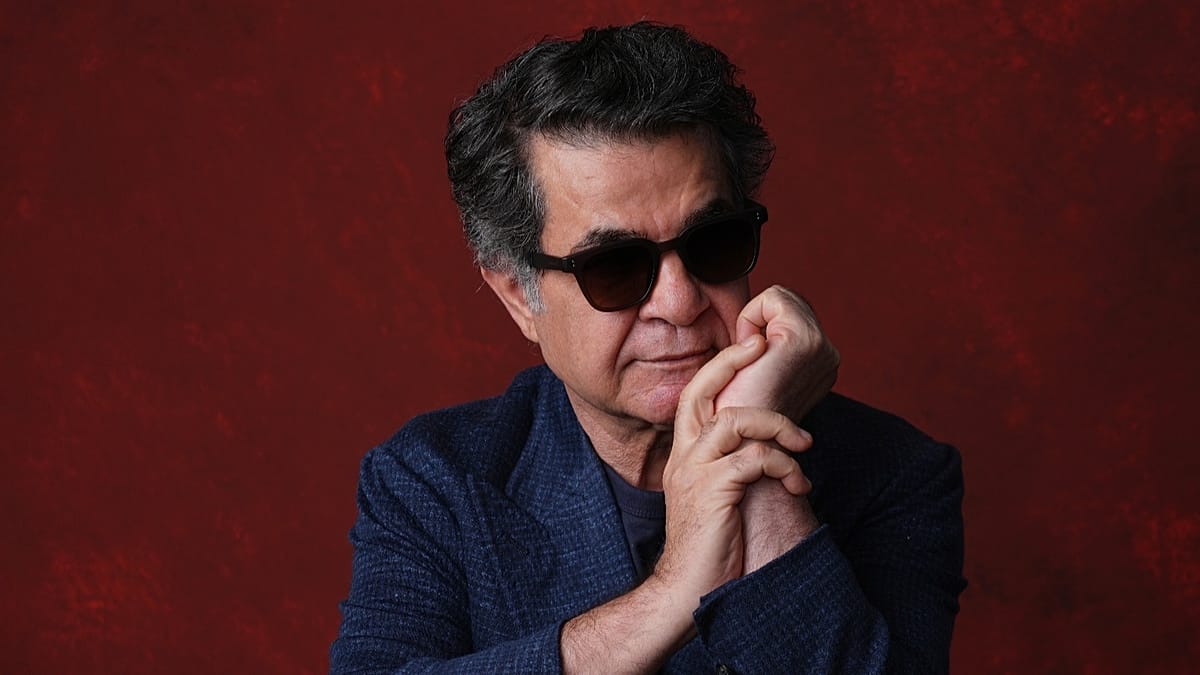
Jafar Panahi, the internationally acclaimed Iranian filmmaker whose work has repeatedly defied the authorities in Tehran, has been handed a new prison sentence in absentia. His lawyer, Mostafa Nili, confirmed that Branch 26 of Tehran's Revolutionary Court issued the ruling, which carries a term of five years and one month, along with the confiscation of all his assets, a two-year ban on social media activity, and a two-year travel ban.
The sentence was first reported by the reformist outlet Emtedad News Agency. According to Nili, the court proceeded without notifying Panahi of the hearing, and the charges behind the latest conviction have not been publicly specified. The lawyer also noted that court documents claimed Panahi was abroad and unreachable, even though the director returned to Iran on 30 March and appeared before an investigative court in August in connection with a separate case.
Panahi, who is currently in Iran, now faces three ongoing legal proceedings, his lawyer said. The new ruling follows a December 2025 conviction for “propaganda activities against the regime,” which had already resulted in a one-year prison sentence and a two-year travel ban, later upheld on appeal.
A career marked by defiance
Panahi's latest legal troubles come on the heels of his most celebrated achievement: winning the Palme d'Or at the Cannes Film Festival for It Was Just an Accident. The film, which was also nominated for Best International Feature Film at the 98th Academy Awards, was shot in secret without official permission, a hallmark of Panahi's work under the constraints imposed by the Islamic Republic.
The director has been a thorn in the side of Iranian authorities for over two decades. He was first arrested in 2003, has been imprisoned twice, and was banned from filmmaking for his anti-regime stance. In 2022 and 2023, he spent 86 days in Tehran's notorious Evin prison on charges related to his 2010 arrest and his protests against the detention of fellow filmmaker Mohammad Rasoulof.
While in prison, Panahi met activist and political prisoner Mehdi Mahmoudian, who later co-wrote the screenplay for It Was Just an Accident. The thriller draws on Panahi's own experiences behind bars and follows a group of formerly imprisoned Iranians contemplating revenge against a man they believe was their jailer and torturer. Mahmoudian was re-arrested earlier this year on accusations of insulting the Supreme Leader and propaganda against the state.
Panahi's filmography includes This Is Not a Film, No Bears, and Taxi Tehran, which won the Golden Bear at the Berlin Film Festival in 2015. His work has consistently offered a stark critique of state repression, and It Was Just an Accident is no exception. In our review, we described it as “a taut, tense and tightly scripted drama that surprises due to its deft tonal shifts,” exploring the consequences of torture, the price of revenge, and the possibility of mercy.
The new sentence adds to a growing list of legal pressures on Iranian artists and dissidents. It also comes amid broader international scrutiny of Tehran's treatment of cultural figures, with Iranian operatives facing trial abroad and hardliners in Tehran pushing for political change. For Panahi, the ruling is the latest chapter in a long struggle to make films in the face of censorship and persecution.
His lawyer has indicated that they will challenge the ruling, but the path ahead remains uncertain. Panahi's case has drawn international attention, with human rights groups and film communities rallying to his support. As he continues to face legal battles, his work remains a powerful testament to the resilience of artistic expression under authoritarian rule.