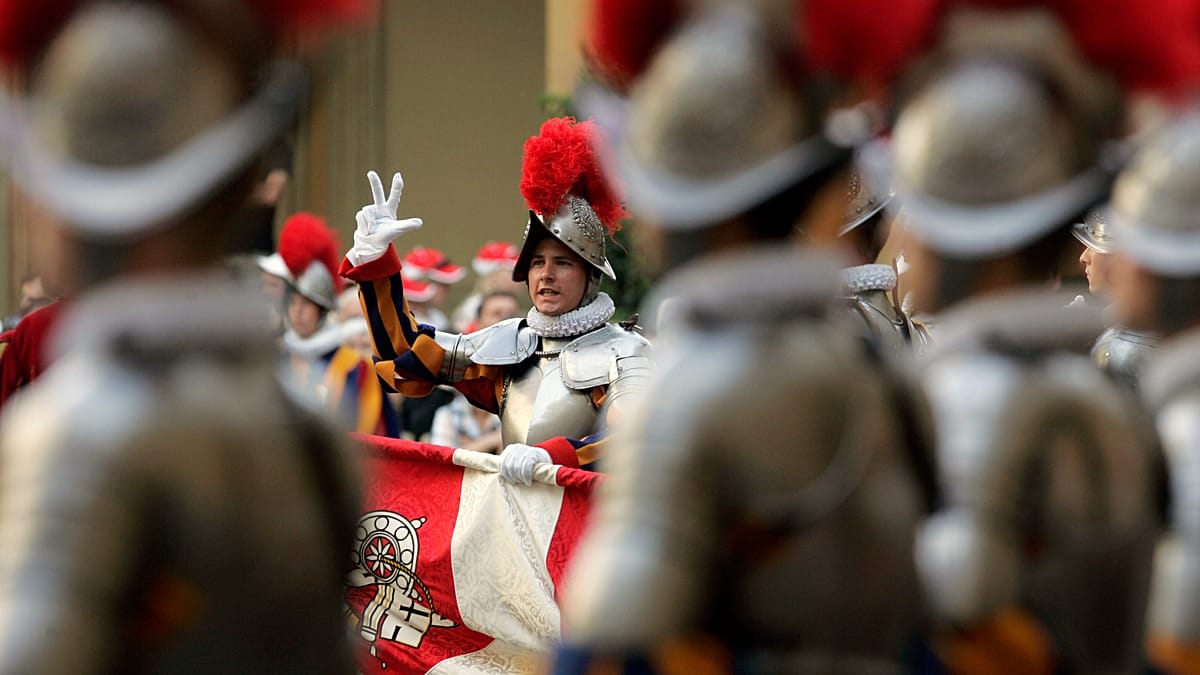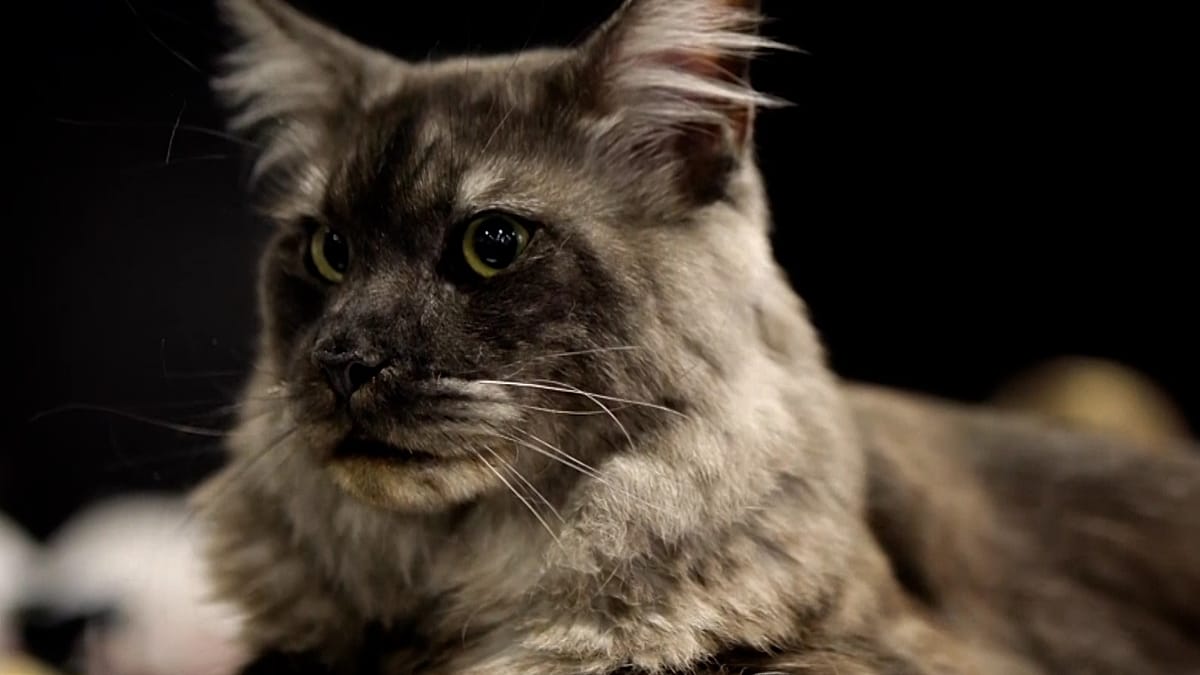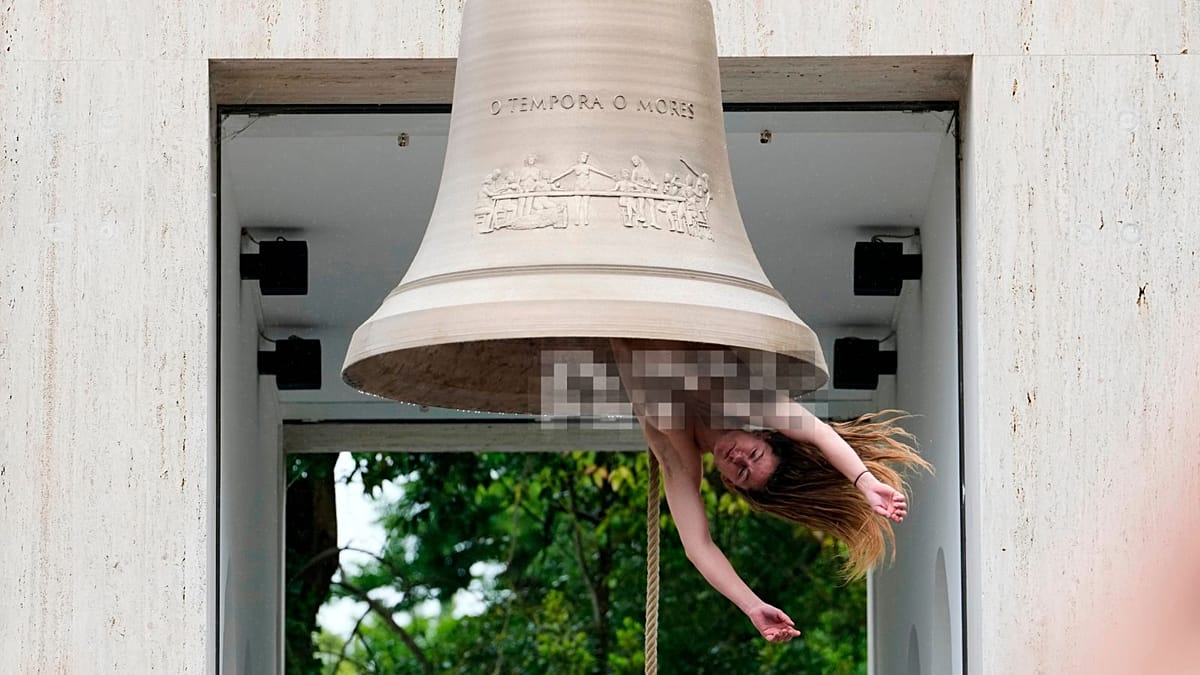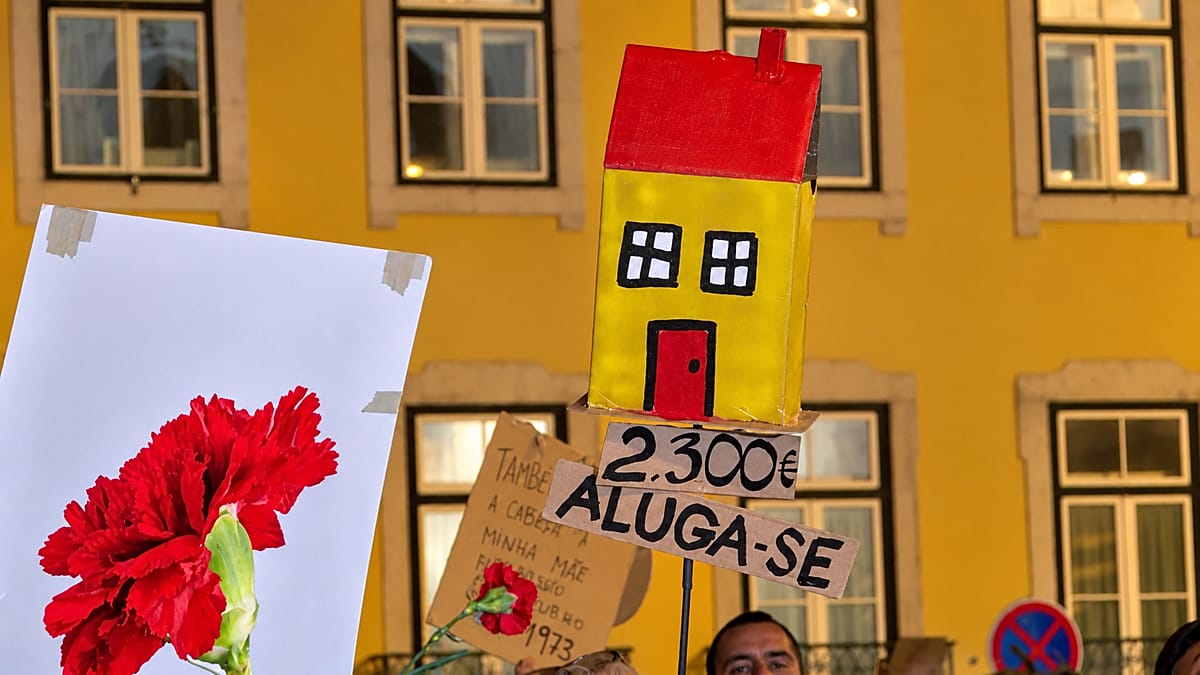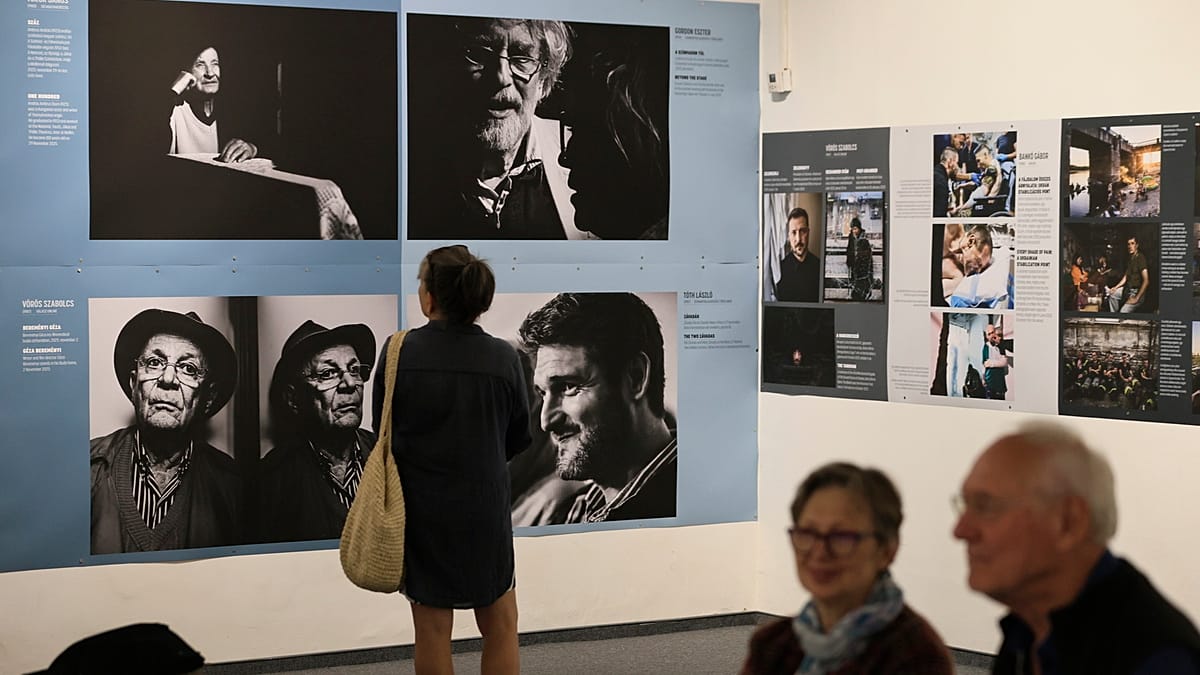
BUDAPEST — The 44th Hungarian Press Photo exhibition, now open at the Robert Capa Contemporary Photography Center, confronts a paradox of the digital age: as artificial intelligence makes it harder to trust what we see, the value of a photographer's name and reputation grows. This year's jury prizes went to deeply personal projects and documentation of political turbulence, underscoring the medium's enduring power to bear witness.
Orsolya Kőrösi, the center's managing director, opened the exhibition by emphasizing the photojournalist's role as more than a shutter-pusher. "The photojournalist does not just take pictures, but is present, bears witness, selects and interprets, while putting their own name to the claim that what they show is close to reality," she said. In an era when synthetic images can be indistinguishable from real ones, she argued, a venue that protects and celebrates authentic, accountable photojournalism becomes especially valuable.
The exhibition draws from more than 6,200 submissions by 258 photographers, with the top three entries and special prize-winners displayed across sixteen categories. András Bánkuti, chair of the Hungarian Press Association's Photojournalists Section, stressed the strict rules that keep the competition credible. "With us you cannot retouch a picture even if, say, a politician has a spot. The moment you do that, it counts as interference and the picture is immediately out of the competition," he explained. "It can still be printed on any paper; that is not our responsibility. Our responsibility today, when the greatest value and credibility are attached to a picture being real, we have to be very careful about that."
Personal tragedy wins top honors
This year's MÚOSZ Grand Prize went to freelance photographer Diana Nemeh for her series "Nimród." The André Kertész Grand Prize was awarded to Telex photographer Noémi Napsugár Melegh, whose work has long documented Hungary's protest movements but whose most acclaimed project is intensely private.
After the death of her 18-year-old brother, Napsugár Melegh spent years photographing her grieving family and his classmates. "It was very difficult to make these pictures, especially in situations where my brother should have been there," she said. "I actually went to the same secondary school as he did, and it was quite surreal that 15 years later I was in the same places, at the same freshers' camp where he should have been."
For a long time, she kept the images to herself. "On the one hand I had to force myself to be there so I could take these pictures; on the other, for a long time I was making them for the drawer, I did not show them to anyone," she recalled. "After a year and a half I began to show them to my closest professional friends, and that broke through something in my own process of mourning as well."
The exhibition's focus on personal stories alongside political upheaval reflects a broader trend in European photojournalism, where intimate narratives often intersect with public events. As Serbia's election upheaval and other regional shifts reshape the continent's political landscape, photographers are increasingly turning their lenses on the human cost of change.
Kőrösi noted that the exhibition also includes works the jury deemed exceptionally important or exciting, even if they did not win a category. This year's selection, she said, highlights how technology is driving a "social revolution" — a theme that resonates beyond Hungary's borders.
The show runs at the Robert Capa Contemporary Photography Center in Budapest through the spring, offering visitors a chance to see how Hungarian photographers are navigating the tension between authenticity and artifice. In a media environment where international diplomacy and European fiscal crises dominate headlines, the exhibition serves as a reminder that the most powerful images often come from close to home.